

Getting Ready to Powerlift

By Matt Rhodes

For www.EliteFTS.com


This article is inspired by a few people but one in particular. He’s the newest member of the Southside crew and goes by many names—Panda, Bomb, and Malibu. Panda is new to powerlifting. He’s been going to a personal trainer on and off for about five years, however, the trainer is useless. About ten months ago, he got hooked on powerlifting. This is his saga.

Before I get started, there are a few things I want to outline to help you determine if this template is for you. These are in no particular order:

  1. You can see your collar bones/cheek bones/ribs/AC joints.
  2. You’re under 200 lbs (any man under 200 lbs is a woman).
  3. You have less than five years of solid training.
  4. Someone has to ask you if you lift weights.
  5. You have no visible muscle tone (i.e. you’re fat).

If you fit one or more of the criteria, read on. If not, stop lying to yourself and read on.

Mass moves mass

You can’t flex bone so build some muscle. How do you know if you have muscle? If you have to tell people that you lift weights (refer back to #4 in the above list), you need to build some muscle. Also, refer back to #1, #2, and #5 in the list above. These four usually go hand in hand. So strap on the feedbag and jack up the volume bodybuilder style. Reps, reps, and more reps. The bigger you get, the stronger you’ll get and the more weight you’ll lift.

You need a solid base to turn yourself into a good powerlifter. If you ask the top guys in the world today, I’d bet they all started training “like a bodybuilder.” So here’s the plan to turn you into a muscle-bound Adonis.

Upper body assistance day*

1. Bench/bench variation (barbell only), 5 X 10

2. Pull-ups, 50 total reps

3. Military press/MP variation (barbell only), 5 X 10

4. Bent rows, 5 X 10

5. Barbell triceps extensions, 5 X 10

6. Barbell curls, 5 X 10

*Perform all of this in one hour.

Lower body assistance day*

1. Squat, 5 X 10

2. Deadlift, 5 X 10

3. Lunges, 5 X 10 each leg

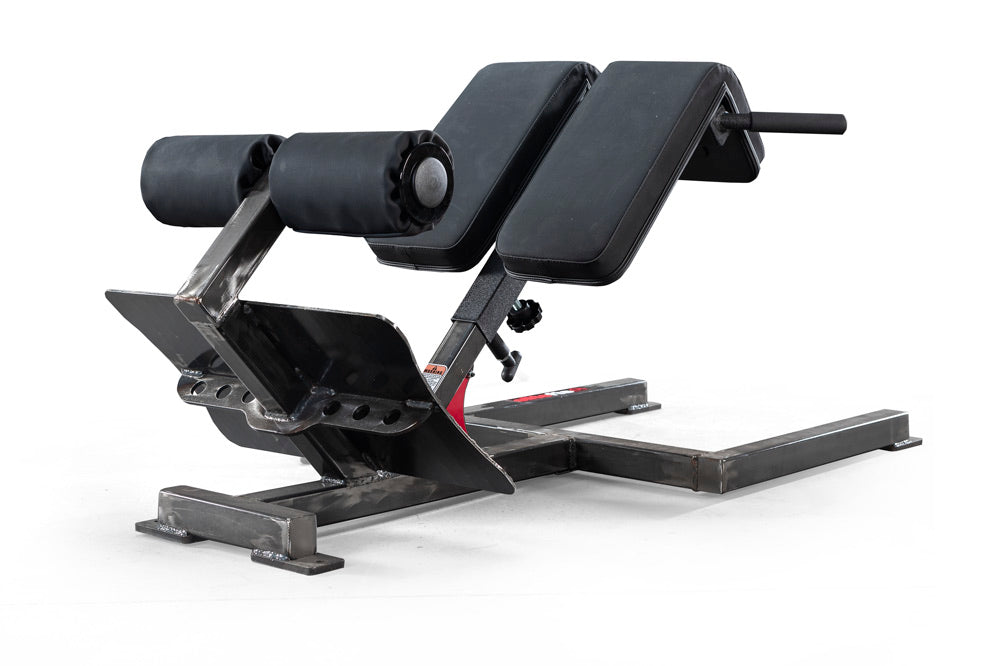
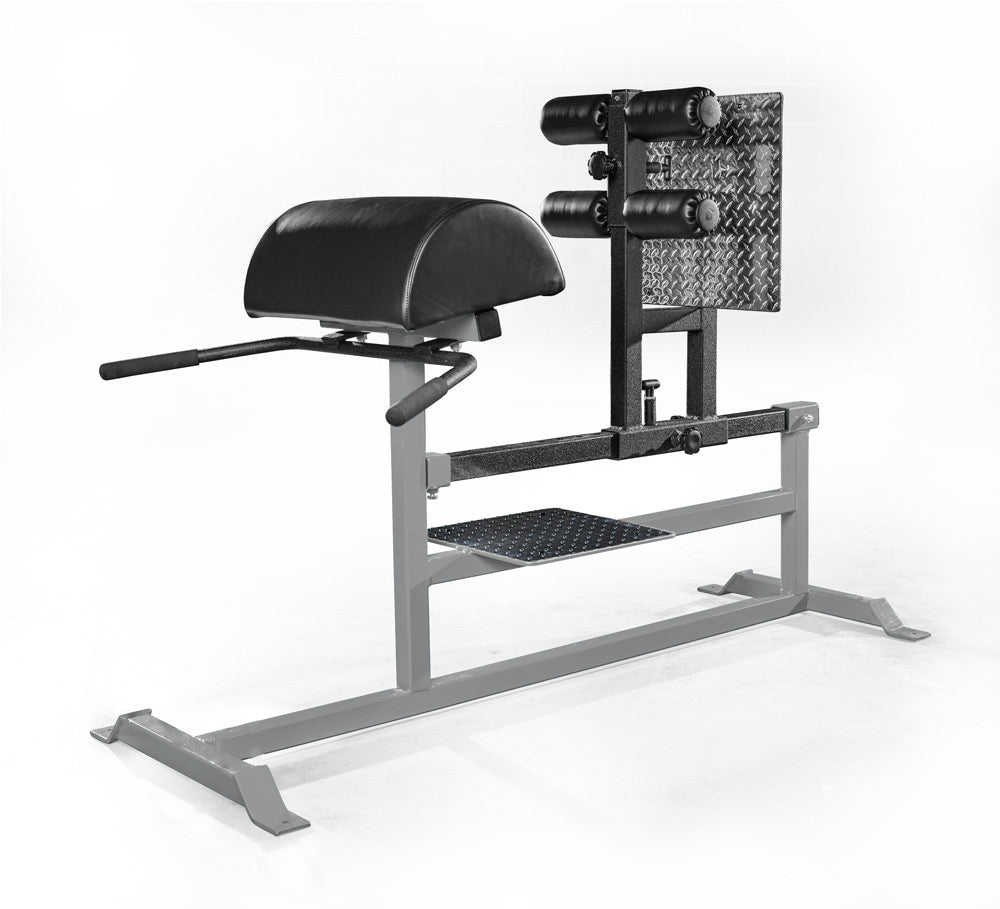
4. Back raises, 5 X 10

5. Sit-ups, 5 X 10

*Perform all of this in one hour.

Conditioning

People think that powerlifters don’t need to do cardio conditioning. It’s a necessity for overall health, recovery from workouts, and general feelings of well being. Don’t be lazy. Go for a 20–30 minute walk every day and watch how much better you feel.
This will also help keep you from getting fat while you gain weight. The better you feel, the more you’ll want to do.

Max effort training 

If you fall into any of the five criteria above, I don’t think ME work is going to help you as much as some heavy rep work (3–5 reps). The five sets of ten BS is a great way to perfect technique, especially as you get tired. It’s very important to keep your form perfect when you’re tired. This is when you get hurt. When you start ME training, you’ve done 4–7 warm-up sets and you’re getting tired as the weights get heavier. You need to stay focused even when your body is feeling fatigued.

So, on ME day, you should look to work in the 3–5 rep range. I’ll outline a very simple plan later. The heavier weights will allow your central nervous system to get used to heavy loads without completely taxing your system. In the early stages of lifting, it’s more important to move the weight with perfect form than it is to increase weights. Perfect form is important when the weights are in the 90–100 percent range. Many younger/newer lifters’ form goes to hell as soon as the weight gets heavy. I believe you can avoid learning bad habits by keeping the weights only as heavy as your perfect form allows.

Here’s one plan you could follow or tweak to make work for you. (This is very similar to my squat training.)

Max effort cycle

Week 1: 5RM

Week 2: 5RM (add 5–10 lbs for bench and 10–20 lbs for squat/pull)

Week 3: Heavy single (not a 1RM but I’d guess around 80–85%)

Week 4: Deload (your weight should be 20–50 lbs lighter than your number from week 1)

Week 5: 3RM (add 5–10 lbs or 10–20 lbs from your number in week 2)

Week 6: 3RM (add 5–10 lbs or 10–20 lbs from week 5)

Week 7: Heavy single (add 5–10 lbs or 10–20 lbs from week 3)

Week 8: Deload (same as the deload in week 4)

Repeat as necessary

Max effort bench day

1. ME bench (choose four full range of motion exercises and rotate each week)

2. Rows, 5 X 5–10

3. Upper back/rear delts, 5 X 10–15

4. Biceps, 5 X 10

5. Triceps, 5 X 10

Max effort squat/deadlift day

1. Squat

2. Deadlift (choose four deadlift variations and rotate each week)

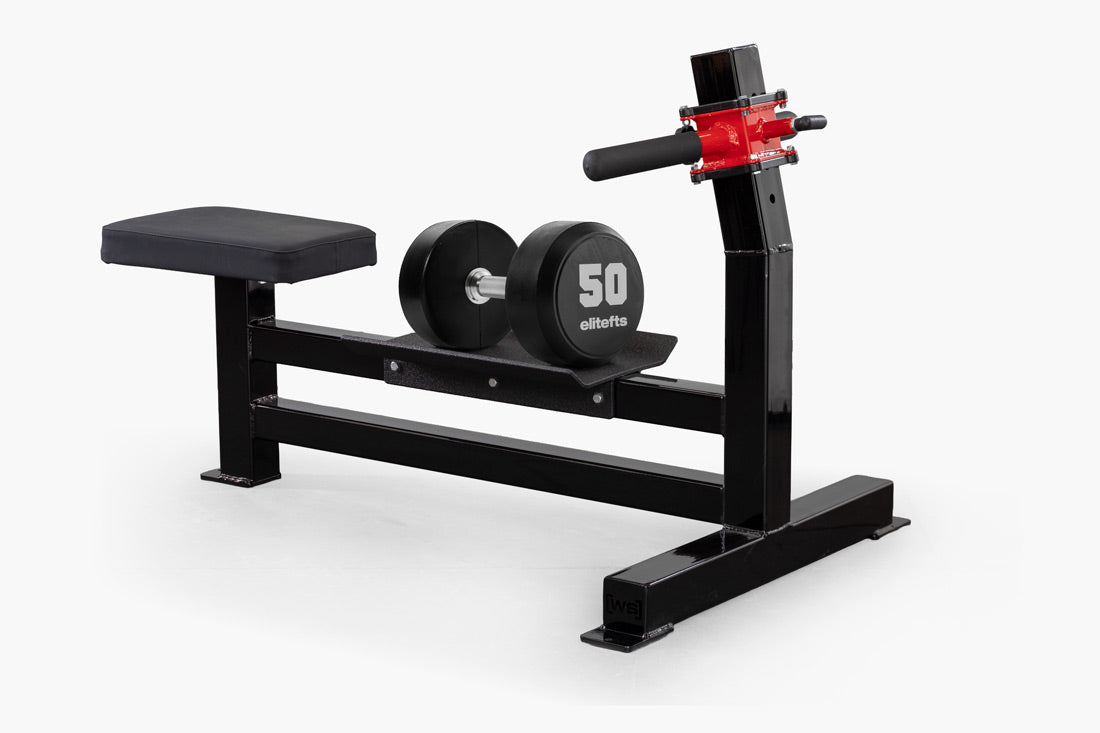
3. Weighted back raises 5 X 10

4. Weighted abdominal work, 5 X 10

Follow the rep scheme that I posted above with your ME bench, ME squat, and ME deadlift work.

This plan should really help you pack on the muscle and learn to perfect your form. Be patient and let the training run its course. Powerlifting is a marathon, not a sprint. So spend the time needed to develop a good, solid base to build some strength from.

Matt is a tremendous resource for our readers by bringing that hard-to-find mix of both real world coaching and athletic experience. Not only did Matt play football at the University of Arizona (1996–1998), but he also worked as a strength coach at the University of Richmond and was an intern at the University of Pittsburgh for the accomplished Buddy Morris. Matt now lives in Greenwich, Connecticut and works as a personal trainer. While he entered the sport of powerlifting in 2001 at 220 lbs (6’ 4”), he now tips the scale at over 300 solid lbs and has squatted 880, benched 550, and deadlifted 750—earning the Best Lifter designation in the 308-lb weight class at the APF Imperium in May 2006. Although the path has not been particularly easy for Matt because of Marfans syndrome, his resolve is strong and he has the will to be a winning athlete.

Elite Fitness Systems strives to be a recognized leader in the strength training industry by providing the highest quality strength training products and services while providing the highest level of customer service in the industry. For the best training equipment, information, and accessories, visit us at www.EliteFTS.com.


Copyright© 1998-2008 Elite Fitness Systems. All rights reserved. 
You may reproduce this article by including this copyright  
and, if reproducing it electronically, including a link to  
www.Elitefts.com.