



The Hip Flexor Solution
By
Andrew Paul
Due to a recent influx of hip flexor questions, I decided to put together a
few thoughts on the issue. Hip flexor injuries are all too common, especially at
the beginning of training camps. Athletes spend the entire off-season developing
the posterior chain and getting big squat and deadlift numbers. While the
posterior chain and its role in hip extension is very important, the hip flexors
are usually forgotten.
Let’s first examine the major hip flexors. There are really three worth
mentioning. The prime mover is the rectus femoris. This is a two joint muscle
and acts as a hip flexor and knee extensor. The synergists in this case are the
psoas and the tensor fascia latae (TFL). What is interesting is that throughout
the range of motion, the synergists become the prime movers. Once the femur
reaches about 90 degrees of hip flexion, the psoas takes over for the rectus
femoris. This is because the rectus has reached a shortened state and is
incapable of putting out a necessary amount of force.
Try this easy test. Stand up tall with your hands behind your head and your
elbows wide. From that position, attempt to lift one knee past hip height while
maintaining posture. There are a few compensation patterns to note. The first is
if you just can’t do it period. Second, your TFL might cramp up. Think of it
this way—if your psoas is weak, your TFL will attempt to carry the load,
resulting in a cramp. Third, in order to raise your knee to the appropriate
height, you lose posture, and finally, your hip tilts. This is the quadratus lumborum’s (QL) attempt to help in the fight.
The standing psoas strength test

Compensations

Inability to lift knee/TFL

Loss of posture
Hip tilt
This test is the basis behind Gray Cook’s hurdle step test in the functional
movement screening, and all of the compensation patterns indicate a weak psoas.
So what does this mean? That’s a good question.
In Shirley Sahrmann’s book, Diagnosis and Treatment of Movement Impairment
Syndromes, she talks about the role of synergists in movement. Her take is
that when you have a continued muscular problem in a prime mover, look for a
weak synergist. For example, if you have continued hamstring strains, you may
have weak glutes. If you have continued pec strains, you may have a weak
subscapularis. In this case, continued hip flexor strains equal a weak psoas. So
what do we do about the problem?
In my article, “A Strength Coach’s Guide to Dealing with Pain, Part 2: The
Knee,” I discussed many different strategies to lengthen the hip flexors. Now
let’s talk about strengthening the hip flexors. It’s interesting to note that
tightness, very often, is a result of weakness. Weak, overworked hip flexors
shorten and contract in order to create the illusion of movement. An involuntary
muscular spasm is the muscle’s best way of creating stability. Strengthening in

this case will relieve the need to spasm.
Here is an easy, four step progression to strengthening the psoas. Again, to
strengthen the psoas, we need to get our knee past 90 degrees.
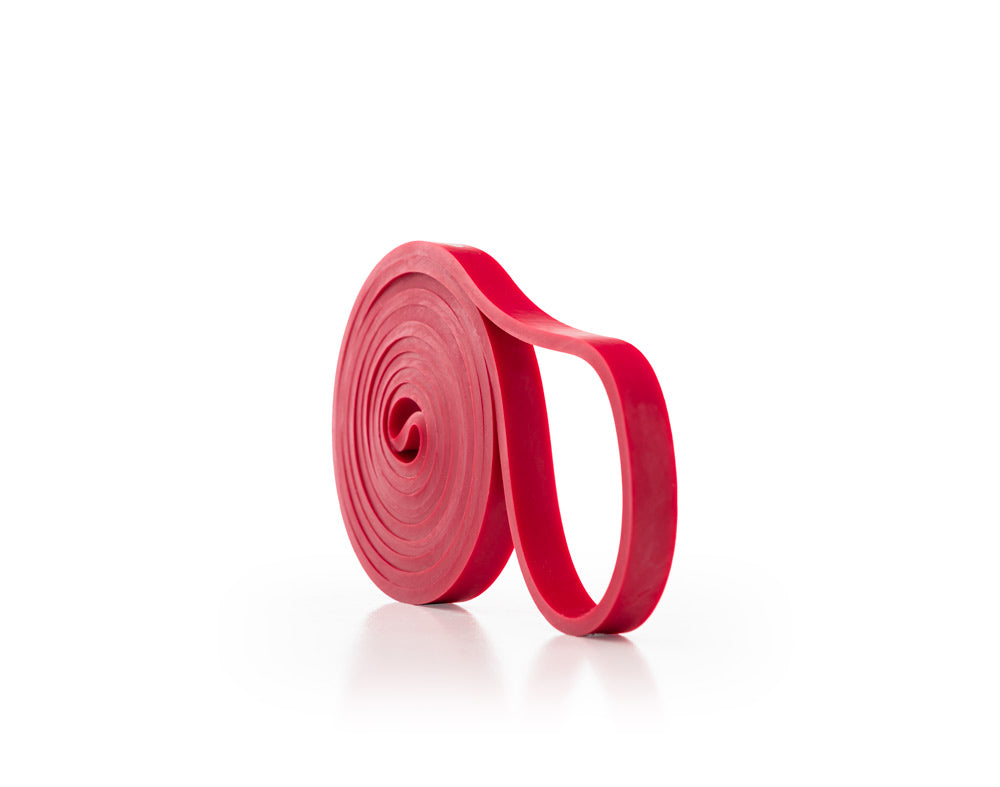
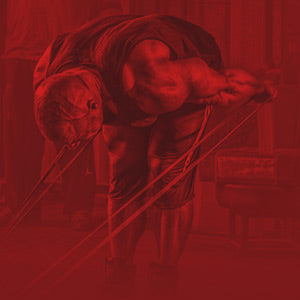
Lying band hip flexion


Start with you knees past 90 degrees. This will ensure that actually get
there to begin with.
Lying cable hip flexion


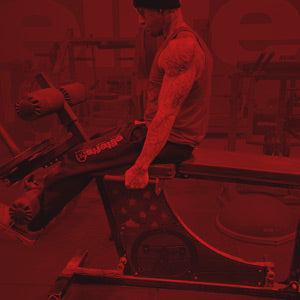
Standing hip flexion


Side standing cable hip flexion


With all of the development of the posterior chain and hip extension
strength, it’s easy to forget about hip flexion. In his book, Ultimate Back
Fitness and Performance, Stuart McGill actually notes hip flexion power as
being the most prevalent limiting factor in sprint speed, not hip extension.
References
1. Boyle Mike. Advanced Program Design DVD.
2. Sahrmann Shirley. Diagnosis and Treatment of Movement Impairment
Syndromes.

3. McGill Stuart. Ultimate Back Fitness and Performance.
Andrew Paul currently serves as the assistant director of strength and
conditioning at the University of Missouri where he works with the football,
softball, and volleyball programs. His new e-book, The Strength Coach’s Guide to
Shoulder Training, gives a great overview of common shoulder injuries as well as
injury preventative measures you can use to combat them. The book can be found
at:
www.thestrengthcoachsguide.com. Andrew is certified as a certified strength
and conditioning specialist through the National Strength and Conditioning
Certification and as a certified strength and conditioning coach through the
Collegiate Strength and Conditioning Association. He can be reached via email at
paulap@missouri.edu.
Elite Fitness Systems strives to be a recognized leader in the strength
training industry by providing the highest quality strength training products
and services while providing the highest level of customer service in the
industry. For the best training equipment, information, and accessories, visit
us at www.EliteFTS.com.