
Solving Anterior Knee Pain
By
Joe Heiler
Pain in the front of the knee is becoming an epidemic among serious lifters
and fitness enthusiasts alike. It once was one of those injuries we associated
mostly with females and blamed on their alignment but no longer. I see almost as
many men now with diagnoses like patellar maltracking, patellar tendonitis, IT
band syndrome, and just general “anterior knee pain.”
There are multiple factors at play here that interact with one another to
eventually cause pain and limit performance. Male or female, the causes can be
traced back to poor joint mobility, tight and overactive muscle groups
dominating stretched and weak muscles, synergistic dominance, and just plain
sitting too much. In this article, I will explore them all.
There are a number of common causes of anterior knee pain, but some are more
directly related to weightlifting.
1) Increased compression forces at the patello-femoral joint.
Compressive forces are greatest at 90 plus degrees of flexion, especially open
chain. This is one reason I recommend to my patients and athletes to stay off
the leg extension machine. It is unbelievable how many people come in to rehab
and specifically name that machine. Unless you are bodybuilding, you don’t need
it. If you are, you may want to think about limiting the range of motion.
Performing squats with a wider than normal stance and high bar position has
also been shown to increase compressive forces. The thought is that the trunk is
in a more upright position, which increases quad contribution (while decreasing
the load on the glutes) and creates more compression. I know not everyone is
just going to change their stance and bar position tomorrow, but if you have
knee pain, give it a shot. For those of you who use a Smith machine to squat, I
would think twice just for this reason. Besides, nobody really moves or lifts
like that in real life.
2) Increased stress on the patellar tendon as the knees go past the toes.
There are times in life and in the weight room where the knee will make its way
out past the toes, especially with squats and lunges. If the heels are down and
hips are contributing properly, there’s no problem. Once the heels come off the
floor, you can kiss any glute contribution good-bye. It’s all quad from there on
out, which means greater stress on the patellar tendon and those nasty
compressive forces again as well.
3) Increased knee valgus angle.
Once thought to be limited to females with wide hips, it’s surprising the number
of men who now demonstrate this pattern. It may not show up until they squat
heavy, but that just tells me they’ve got strong quads and they’re lacking
elsewhere. It’s fairly common to see numbers 2 and 3 together because once the
heels come up, the knees buckle in.
This valgus angulation at the knee is often what is behind the patellar
maltracking issue. The patella is supposed to glide friction-free with knee
extension-flexion. When the knees cave inward, the patella will track laterally
and come into contact with the femur. The result is a roughing up of the
cartilage under the patella, which will become painful in time. This is a very
common problem in the sedentary population when going up and down stairs,
lifting, or trying to kneel down. For weightlifters, it’s squats and lunges.
So why do these things happen? All three of these issues (increased
compressive forces with greater knee flexion angle, shearing forces as knees go
over toes, and knees going into valgus) probably happen hundreds or thousands of
times per day as we go through our normal daily activities. The key is limiting
the amount of force and excessive movement in these directions during training
and athletics. To do those things, we must first look at what structures, when
not functioning properly, can get us into trouble.
1) Soft tissue restrictions: The hip flexor muscles and TFL are
frequently short and overactive. The problem is they are in opposition to the
glutes, which can then be inhibited (I’ll be ranting more about the importance
of the glutes and knee control later).
Anterior/lateral knee pain can also be caused by trigger points in the glute
medius and maximus pulling on the IT band. The IT band transmits forces from the
glutes to the patellar tendon.
2) Restricted ankle dorsiflexion: This one is often overlooked,
but it can cause an anterior weight shift during squatting and lunging
activities, resulting in the knees over the toes and valgus positions. To check
ankle mobility, start in a half kneeling position with the ankle in a neutral
position (roll the ankle in and out and then try to estimate the “middle”).
Bring the knee out over the foot as far as possible. Use a stick to draw a line
from the knee to the floor. The knee should be at least four inches past the
foot without the heel coming up or the foot rolling in.
3) Poor glute function: The glute complex is responsible for hip
extension, abduction, and external rotation. When functioning in the closed
chain, as with squatting, they resist femoral adduction and internal rotation
(knee valgus) and decrease anterior shear forces on the knee (Ireland et al 2003
and Bolgla et al 2008).
4) Poor trunk control: Lack of control through the trunk will
increase forces at the anterior knee during squatting, lunges, and deadlifts.
Excessive lumbar lordosis (partially the result of weak glutes) will limit the
ability to sit back into the squat, thus creating an anterior weight shift and
quad dominant movement. It will also increase the possibility of back pain.
So how are we going to solve the problem of anterior knee pain?
1) Foam roll the hip flexor group and TFL to inhibit tone and allow for a
better stretch to these overactive muscles. Be sure to roll glute max and medius
to reduce stress on the IT band.
2) Improve ankle dorsiflexion through mobilization and mobility work. My
favorite technique is from Brian Mulligan who uses mobilization with movement to
free up the ankle. If you know a therapist or trainer versed in this technique,
it can help to alleviate symptoms quickly. To work mobility, assume the test
position that I discussed earlier. Place the stick just inside the knee, but it
should be touching the floor next to the fifth toe. Glide the knee forward,
keeping it outside the stick. This keeps the ankle supinated as you attempt to
gain dorsiflexion. Do not allow the heel to leave the floor.

3) Work hip extension. Poor glute function does not necessarily mean poor
glute strength. It can be a matter of the lifter using a quad dominant strategy
over a glute dominant strategy. In a quad dominant squat, the lifter begins the
movement by flexing the knees instead of the hips. It’s more of a straight down
descent instead of sitting back and then down. This movement pattern
automatically recruits more quad and leaves out the strong, powerful hip
muscles. Not only will this increase knee stress, but it also results in less
than optimal squat numbers.
The ability to sit back first depends on the ability of the glute maximus to
eccentrically control the hip. If you can sit back simply by thinking about it
or by warming up with some light box squats, you have a patterning issue rather
than a strength issue. If you can’t sit back effectively without feeling like
you will fall over, you have a strength issue.
Bridge variations are a great way to learn to recruit the glutes and build
strength. Start with both heels pressing into the floor and lift the hips until
a straight line could be drawn from your shoulder through the hips and to the
knees. The hamstrings should be doing very little to assist. If you can feel
them tightening or cramping, you are substituting hamstrings for glutes. This is
known as synergistic dominance, but that is for another article. Just
pre-contract the glutes before lifting and make sure to press through the heels.
Progress to single leg bridging.

Don’t forget about deadlifts and/or single leg deadlifts. These are great
exercises for overall hip development.
4) Activate/strengthen the outer hip. The glute complex and some of the
smaller hip external rotator muscles play a crucial part in maintaining knee
alignment. Knee valgus and patellar maltracking are not caused by a weak VMO as
we once thought. It is actually the inability of these hip muscles to prevent
adduction and internal rotation of the femur. The knees should be aligned with
the mid to outer foot during squats and lunges for proper tracking of the
patella.
The question comes up again—is it poor muscle activation/patterning? Or is it
weakness? If I have an athlete who can’t break parallel with good form
performing a body weight squat, I will apply pressure to the outside of the
knees pressing inward. The athlete is instructed to squat and press the knees
out as hard as he or she can. Many times, athletes will recruit the hip
musculature enough that they drop right down into a full squat with perfect
technique. If this is the case, they have the strength to do it but are not
activating the hip muscles appropriately.


Strengthening the hip abductors and external rotators can be done several
ways, but they must be done correctly because trunk substitutions can take over
the movement. The first two exercises should be used with someone who can’t
squat even with the activation technique described above. They can progress to
exercises three and four once the first two are mastered. The athlete who can
squat with the activation technique can start with exercises three and four as
part of the warm up.
- Clamshells are a very basic exercise designed to target the external
rotators of the hip in an isolated fashion. From a side lying position with
the hips and knees bent, lift the top knee. The feet stay stacked. Be sure
to keep the trunk stable and resist rolling back as the knee comes up. Add
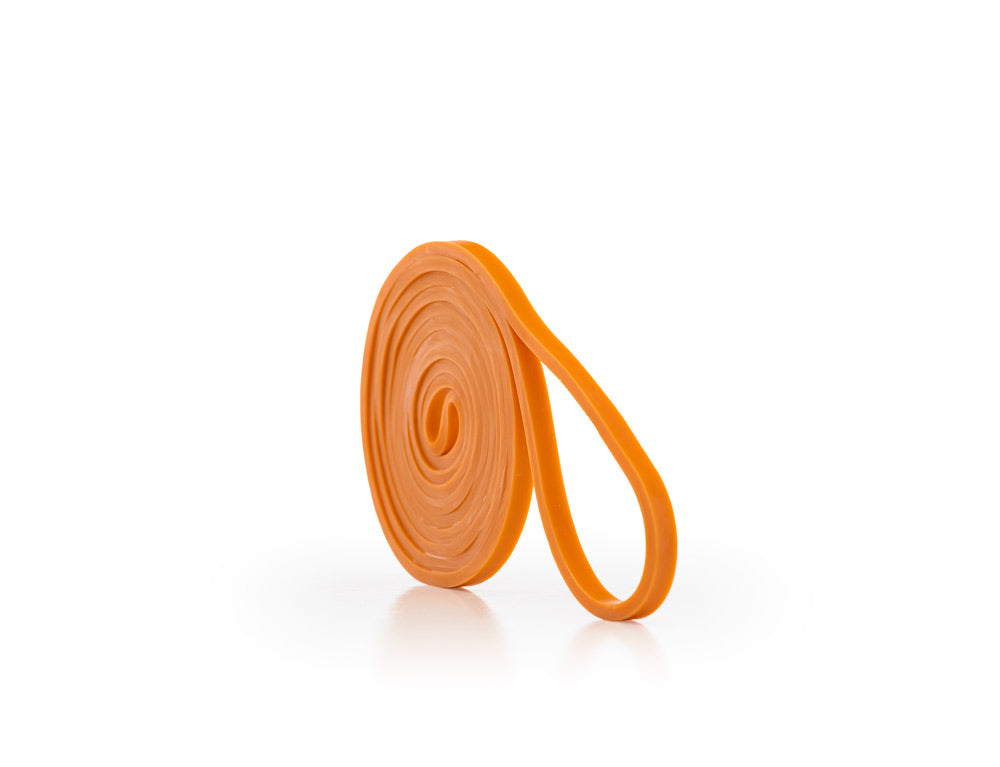
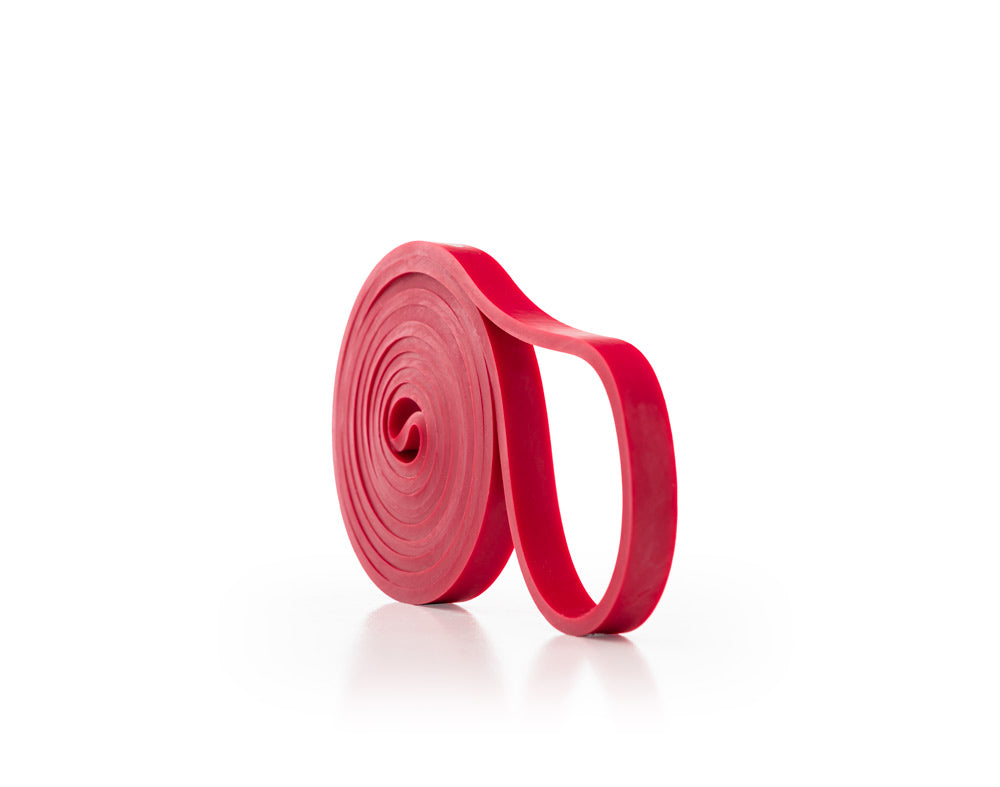
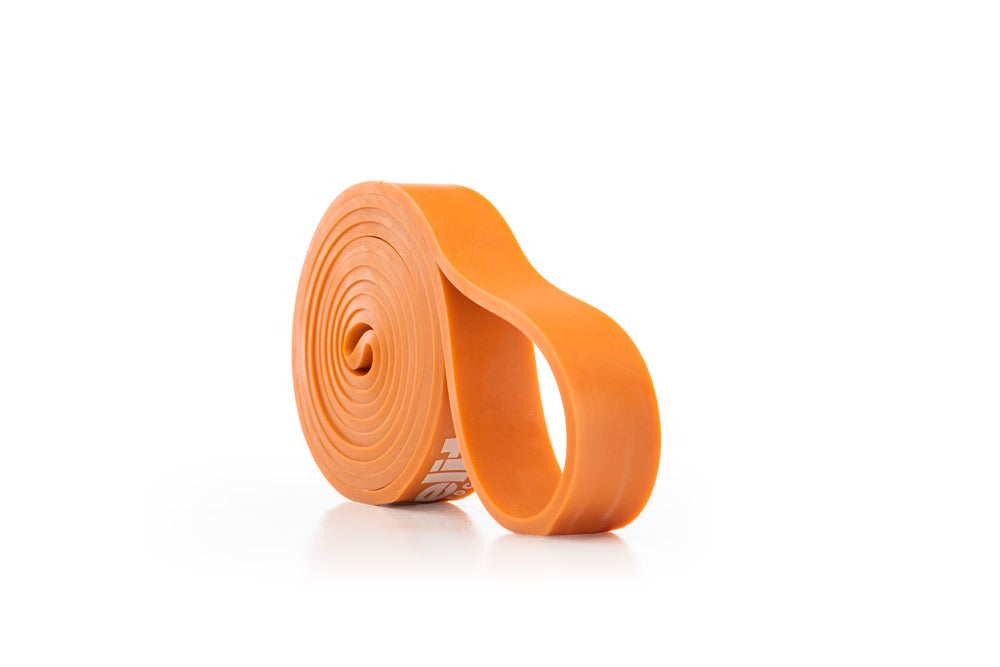
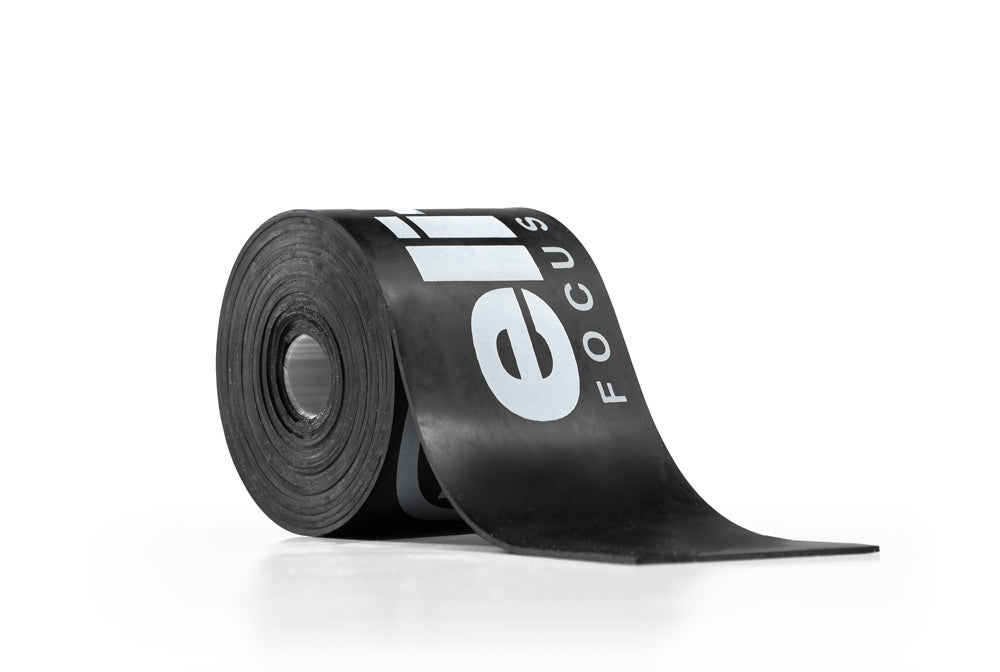
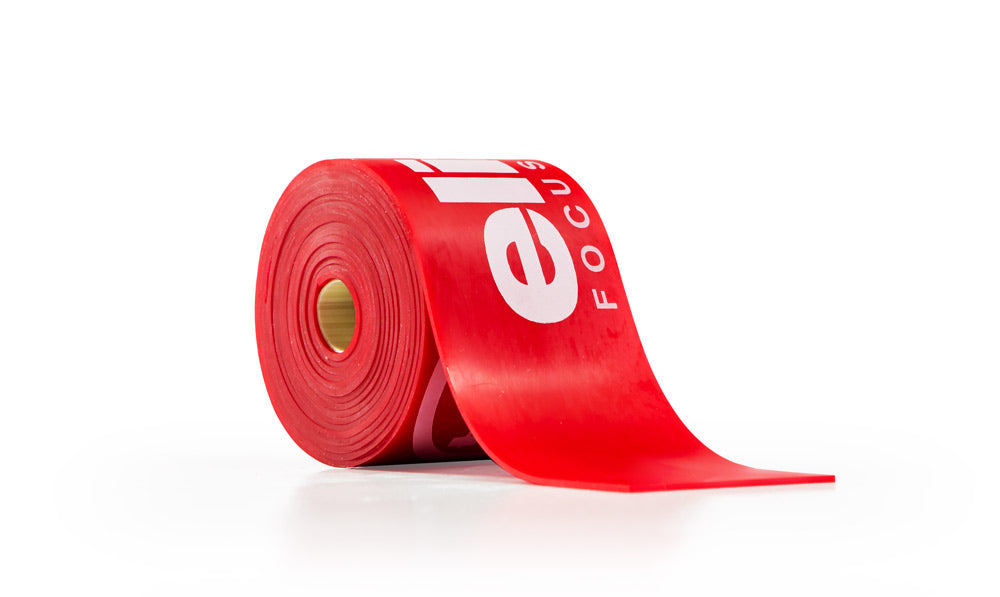
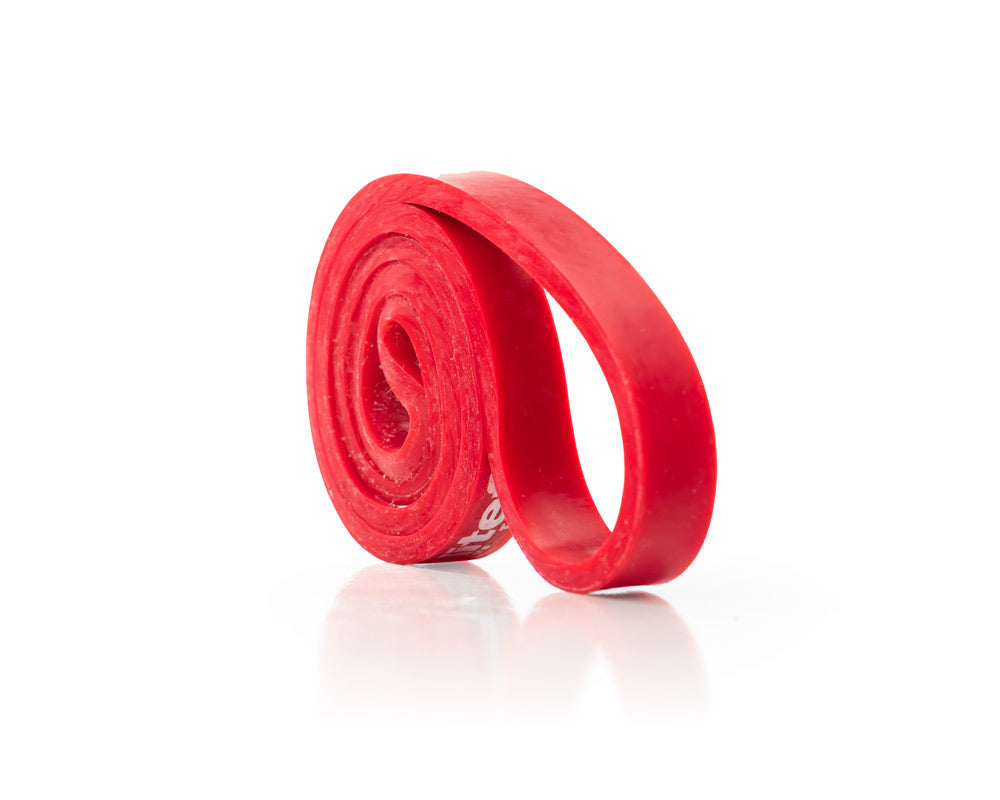
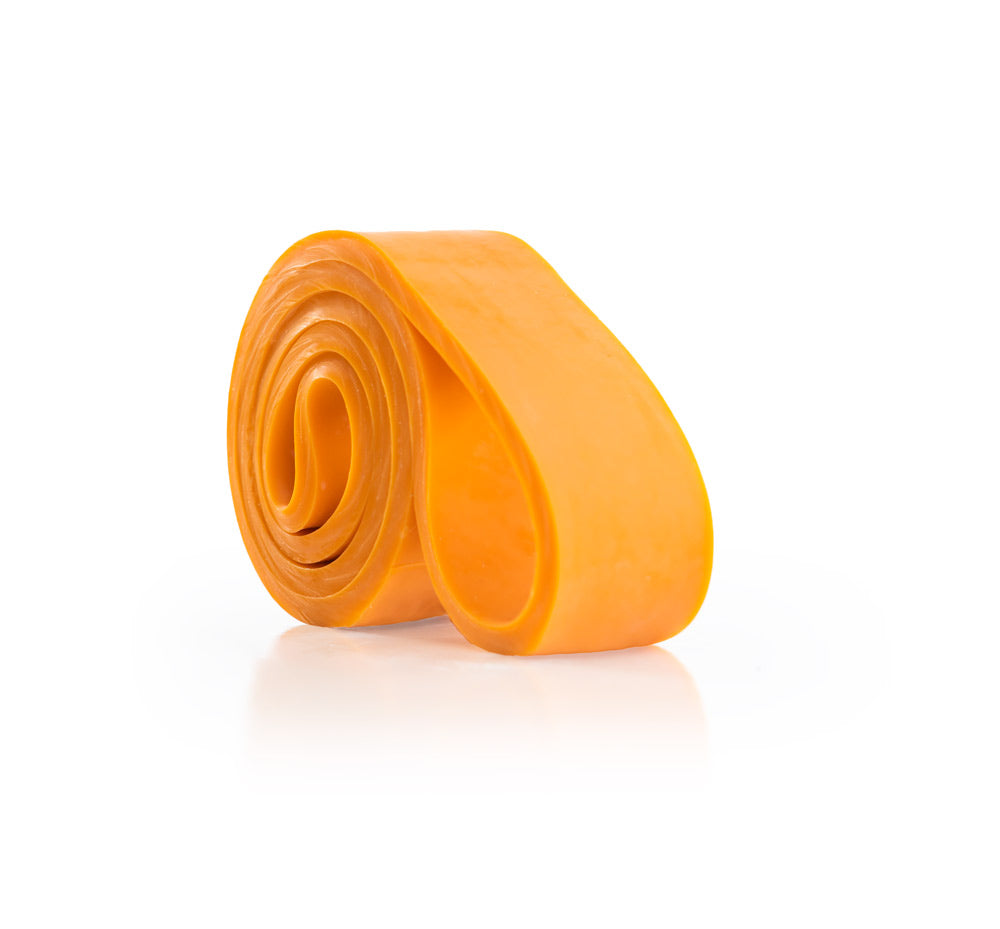
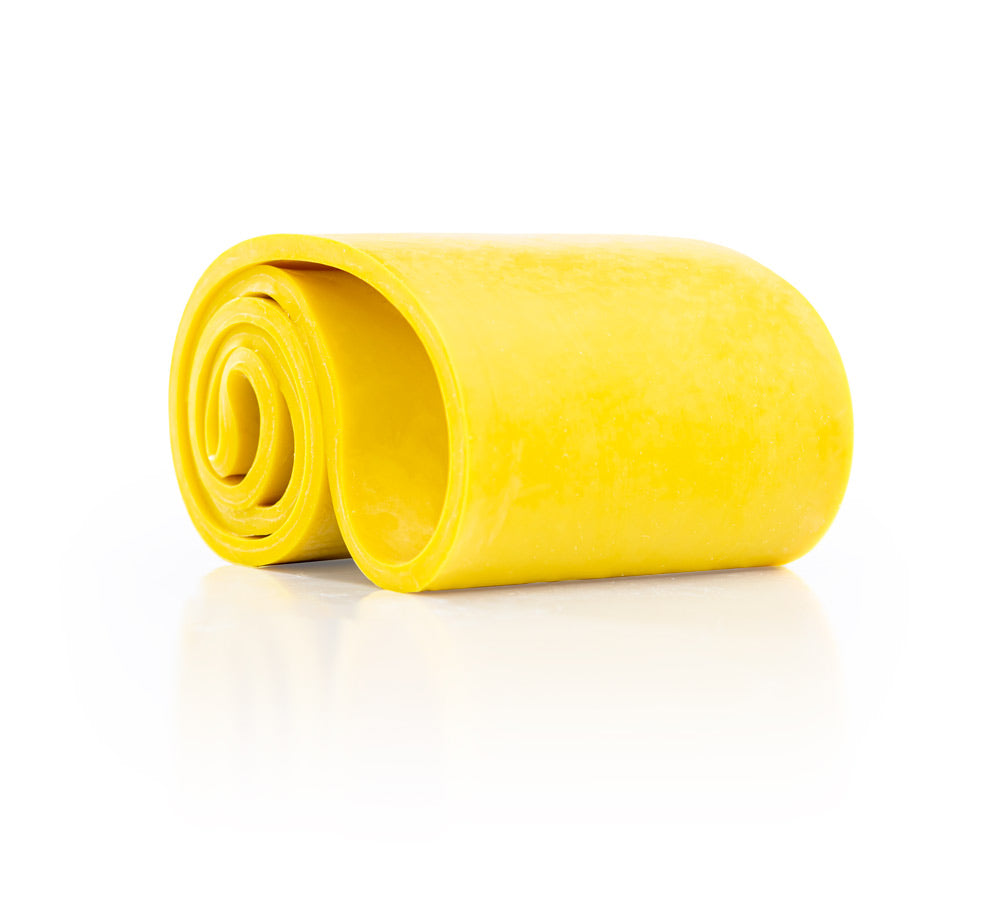
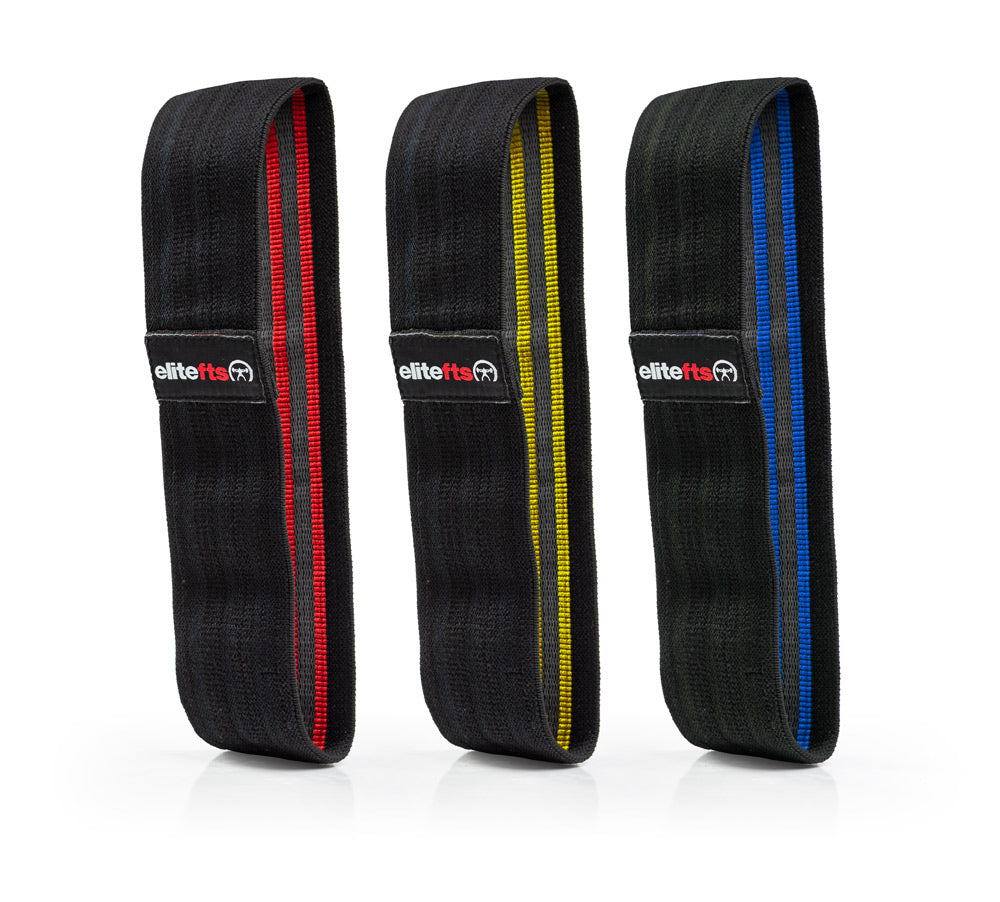
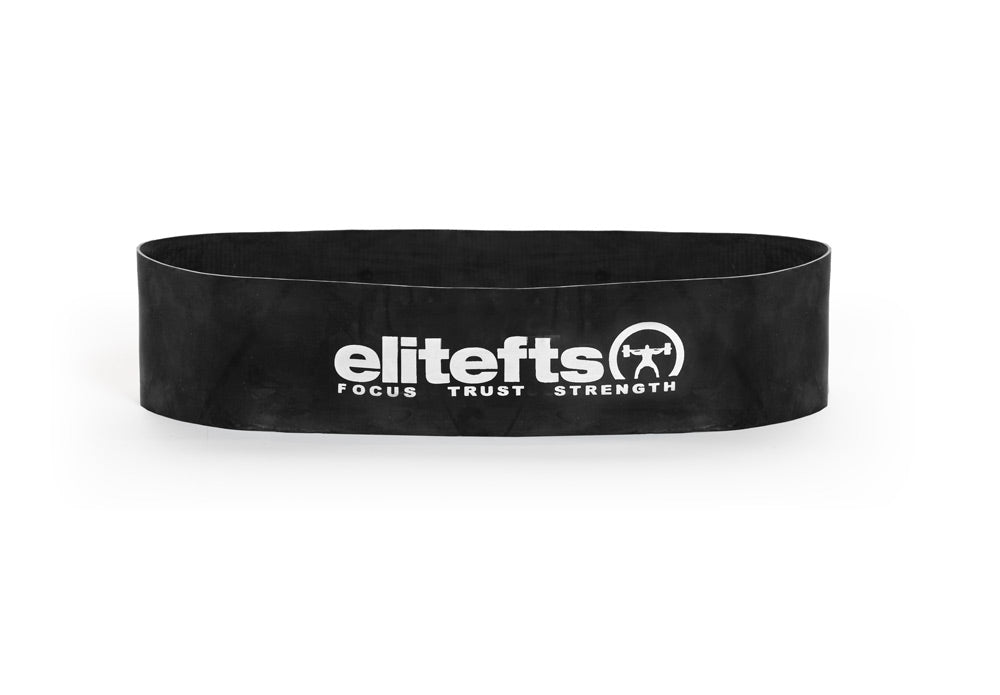
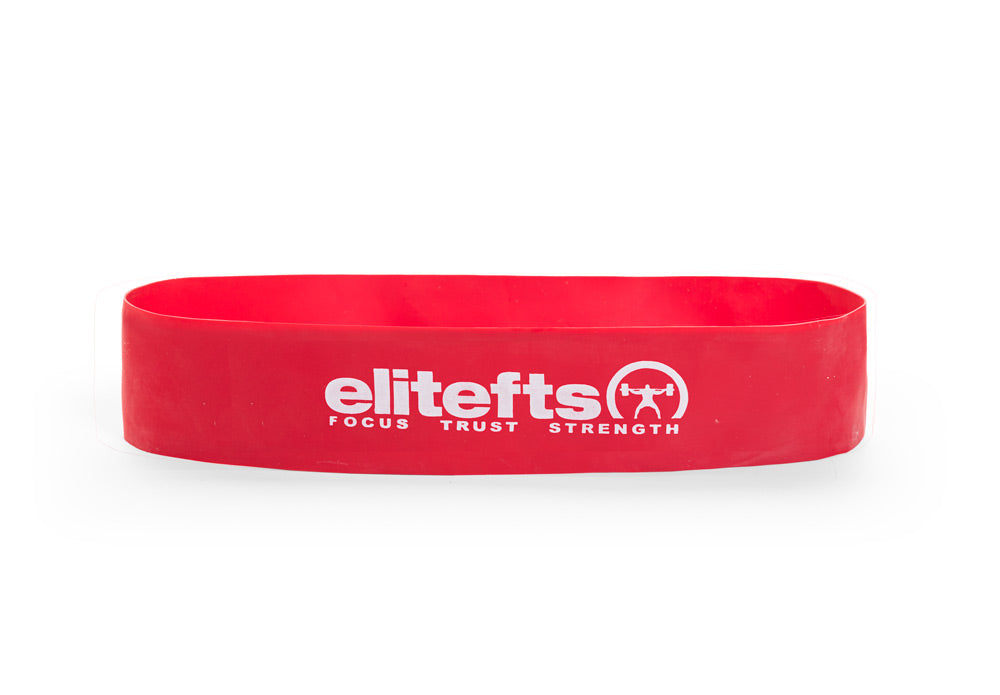
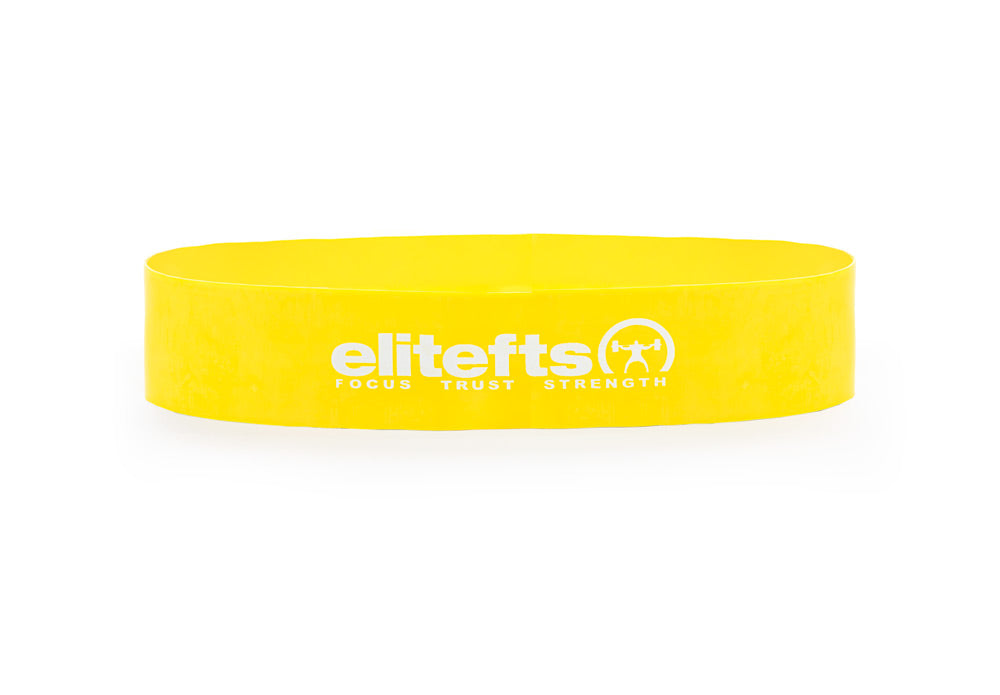
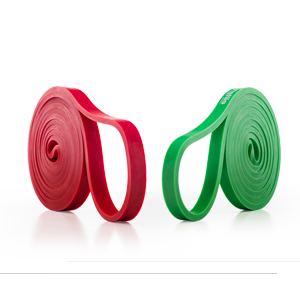
band or tubing resistance around the knees to progress the exercise.
- Side lying hip abduction is another very basic exercise but requires
strict technique. The top leg should be slightly extended at the hip and in
a neutral to slightly externally rotated position. When lifting the leg, be
sure the hip is initiating the movement and not the trunk.
- Lateral band walks are done with a band or tubing around the knees for
beginners and progressed to the ankles for a greater challenge. The athlete
will abduct the lead leg and then eccentrically control the back leg as it
adducts back in (effectively working the abductors on both legs
simultaneously). Watch for trunk compensation here as the QL can laterally
flex the trunk to throw the hip into abduction. Perform one set right and
left standing relatively straight and the second set in a quarter to half
squat position.

- Squats with tubing around the knees use a reactive neuromuscular
training technique designed to activate the hip musculature and prevent
valgus collapse at the knees. Much like the test I described above, use a
good amount of resistance and attempt to push the knees out while squatting
down. Use this during your warm-up sets.
For the athletes out there, I can’t stress enough the importance of
performing single leg squats. When on one leg, the hip muscles are working
harder to maintain proper lower extremity alignment. Single leg squats will not
only maximize protection at the knee joints but are also great for speed and
power. Don’t worry, I won’t get on my single leg training soapbox here.
5) Don’t forget to train for core stability. Core stability exercises such as
prone and side planks, bird dogs, and fire hydrants, work the trunk muscles by
resisting excessive motion through the spine while simultaneously getting in
some extra hip work. On the other hand, core strengthening involves motion
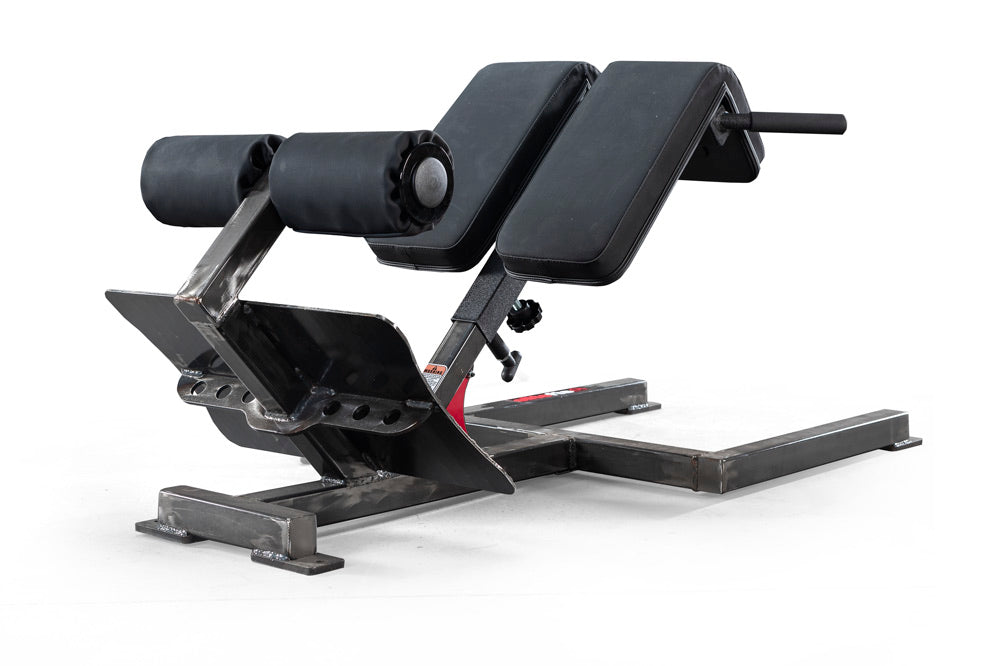
through the spine. Crunches, leg lifts, and back hypers are examples of
strengthening exercises. Squats, deadlifts, and lunges require a rigid, stable
spine to protect the knees, put up big numbers, and effectively carryover to
sports.
So there you have it—the common causes of anterior knee pain with lifting and
strategies to correct your weaknesses. Take a close look at what exercises or
activities are causing pain and where the knees are aligned when it happens. Ask
a trainer or your lifting partner to check alignment and look for technique
flaws when going heavy. Work these five corrective strategies into your workouts
to keep those knees healthy and the personal records coming.
References
1. Ireland ML, Willson JD, Ballantyne BT, Davis IM (2003) Hip Strength in
Females with and without Patellofemoral Pain. J Orthop Sports Phys Ther
33:671–76.
2. Bolgla LA, Malone TR, Umberger BR, Uhl TL (2003) Hip Strength and Hip and
Knee Kinematics during Stair Descent in Females with and without Patellofemoral
Pain Syndrome. J Orthop Sports Phys Ther 38:12–8.
Joe Heiler is a physical therapist specializing in sports medicine and
orthopedics in Traverse City, Michigan. He is a highly sought after strength and
conditioning coach working with athletes at all levels in football, baseball,
hockey, track, and powerlifting. He is also the owner of
www.SportsRehabExpert.com. Feel free to contact Joe at
joe@sportsrehabexpert.com.
Elite Fitness Systems strives to be a recognized leader in the strength
training industry by providing the highest quality strength training products
and services while providing the highest level of customer service in the
industry. For the best training equipment, information, and accessories, visit
us at www.EliteFTS.com.