

Knife Game

By Jim Smith, CSCS

For www.EliteFTS.com


Let me set the scene…

[Wolves howling, sun setting, desert all around.]

You wake up out of a blackout and you’re playing the knife game with a half Apache on the hood of your El Camino.

Now, you know it is only a matter of time before he beats you. This is only the second time (tonight) that you’ve played, and hey, he’s an Apache.

So you almost take off your index finger when you realize, man this game is dumb (but it still has a high cool factor). I could injure my hand and jeopardize my hand modeling contract.

The knife game is only one way to injury your hand. Others include:

·        punching the wall because your girlfriend forgot to get fudge rounds and diet coke for the Simple Life marathon

·        injuring your hand in an MMA match

The last scenario recently happened to one of our Elite Q&A posters, Zach. I am not sure if we had a chance to respond. However, his question, “How can I continue to train after injuring my hand in training?” got me thinking and this article was created.

Here are some ideas for how to modify standard exercises to train around a serious hand injury.

 

Supported Lifts


Supported push-ups

Utilizing a step, you can support the injured hand and still get some supplemental upper body work done. The athlete can be externally loaded with an x-vest, backpack, chains, sandbag, bands, manual resistance, or plates loaded on their back.
If a cast is higher up on the arm, increase the height of the step.

Unilateral Lifts

There is a potential sympathetic contralateral training effect, neurological and physiological, where (voluntary) strength can still be developed in the injured limb (as much as 8%) by continuing to train the uninjured side  (Carroll 2006).

One arm dumbbell press

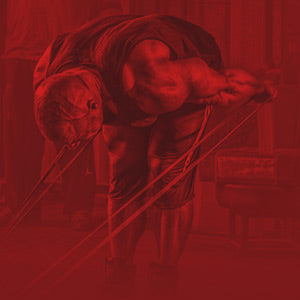
Elastic band lat pulls (kneeling)

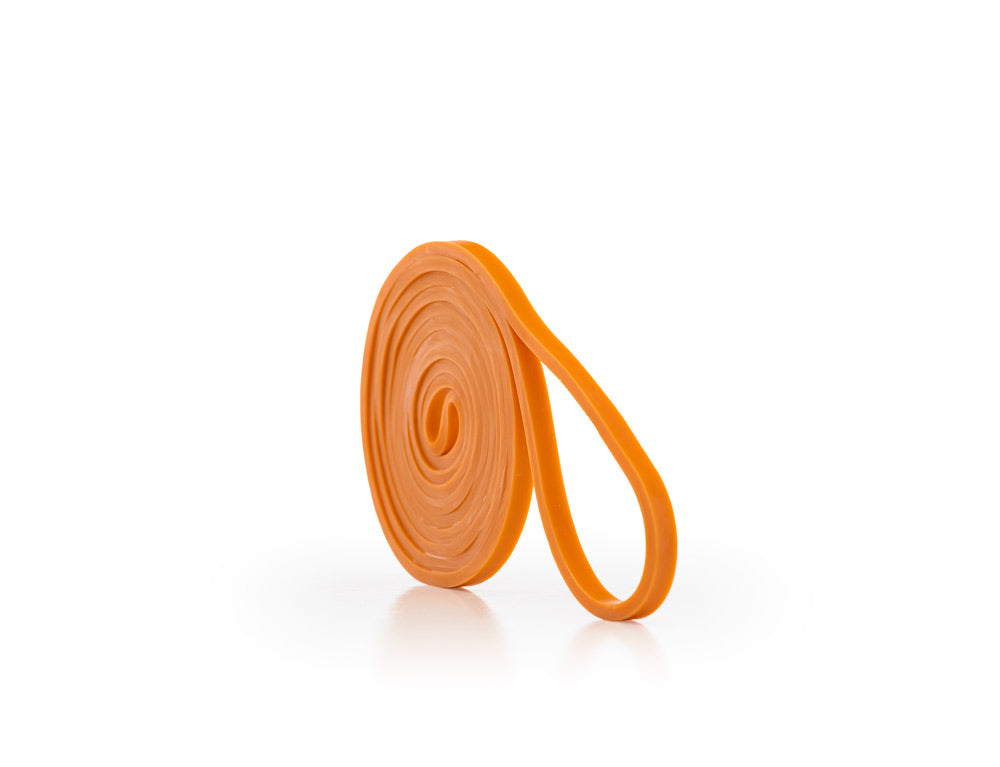
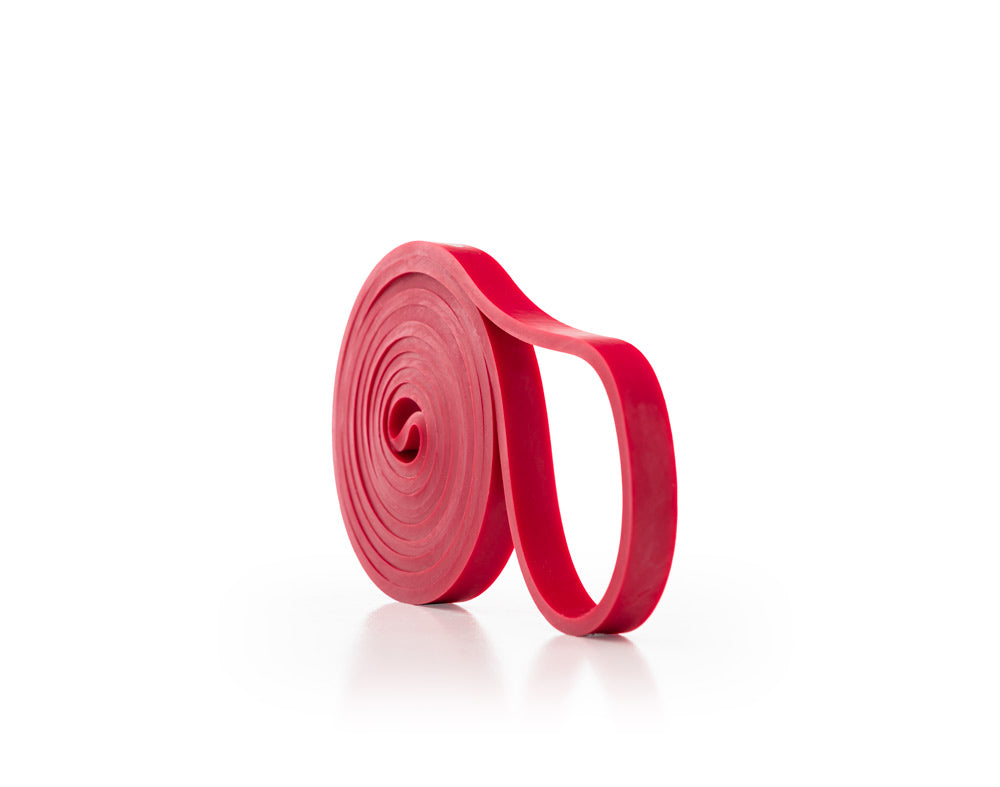
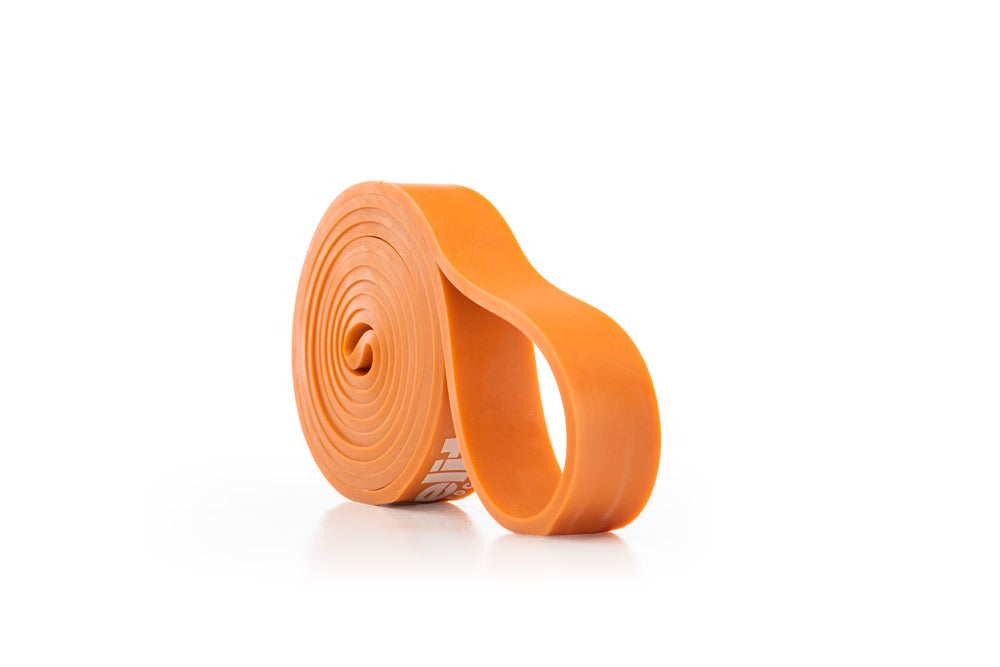
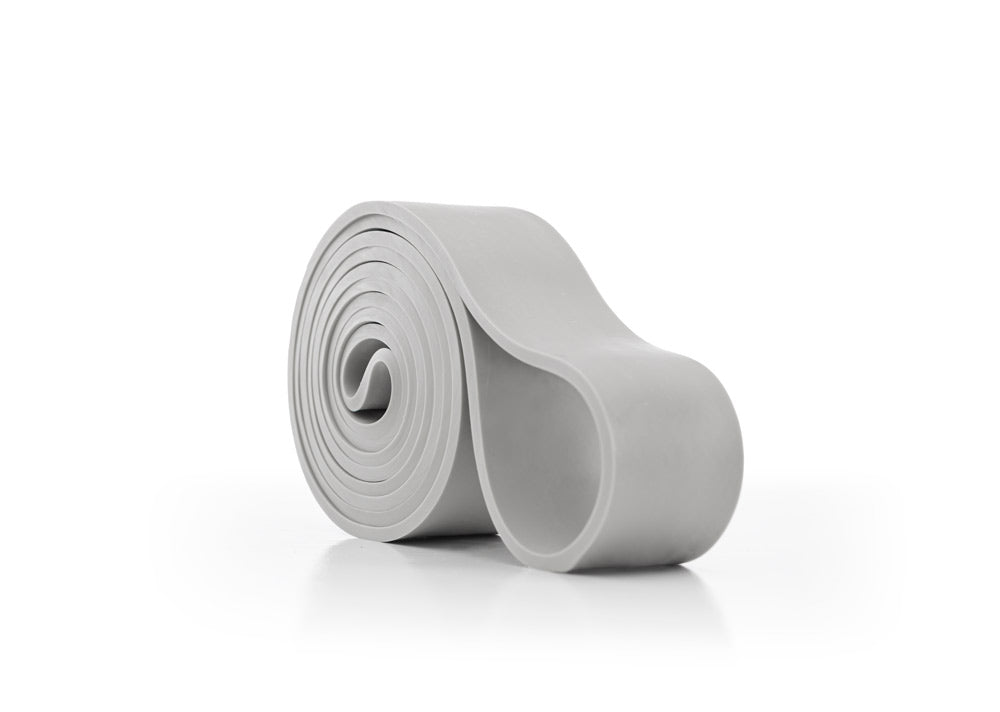
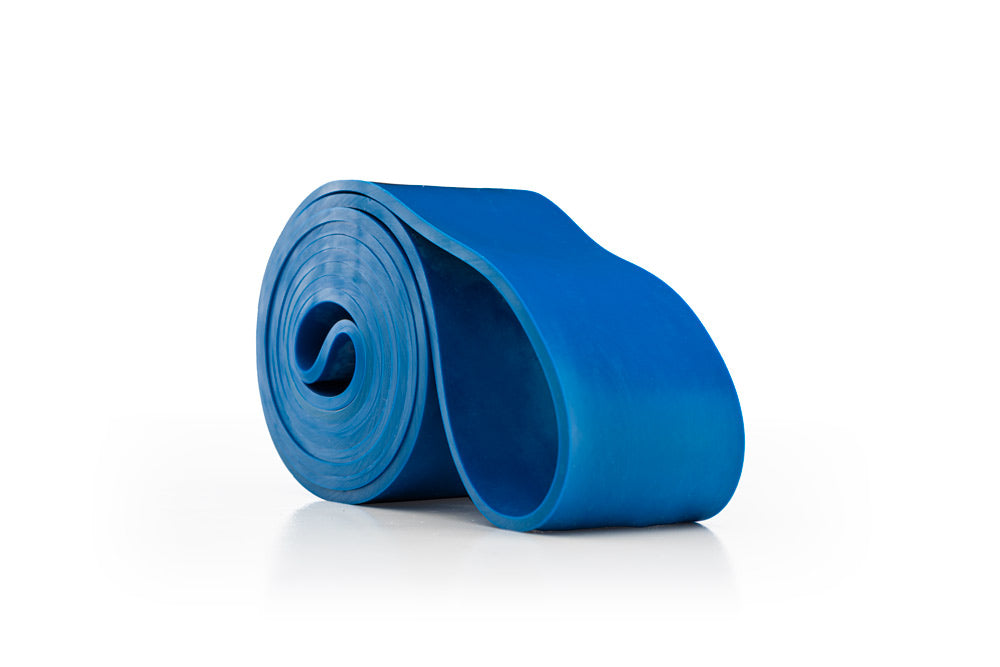
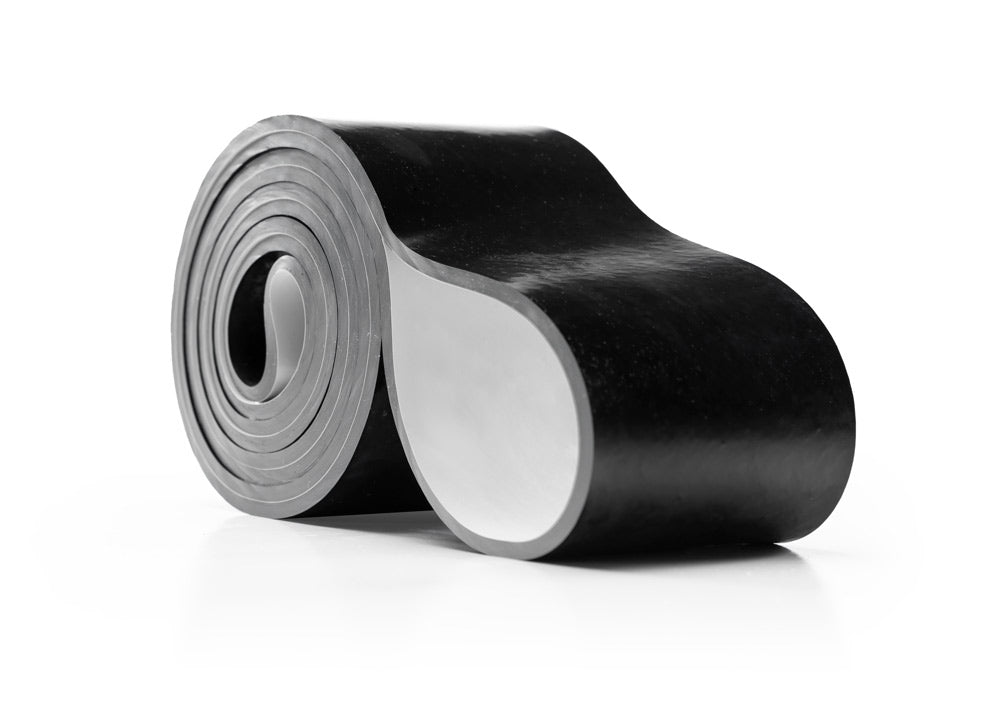
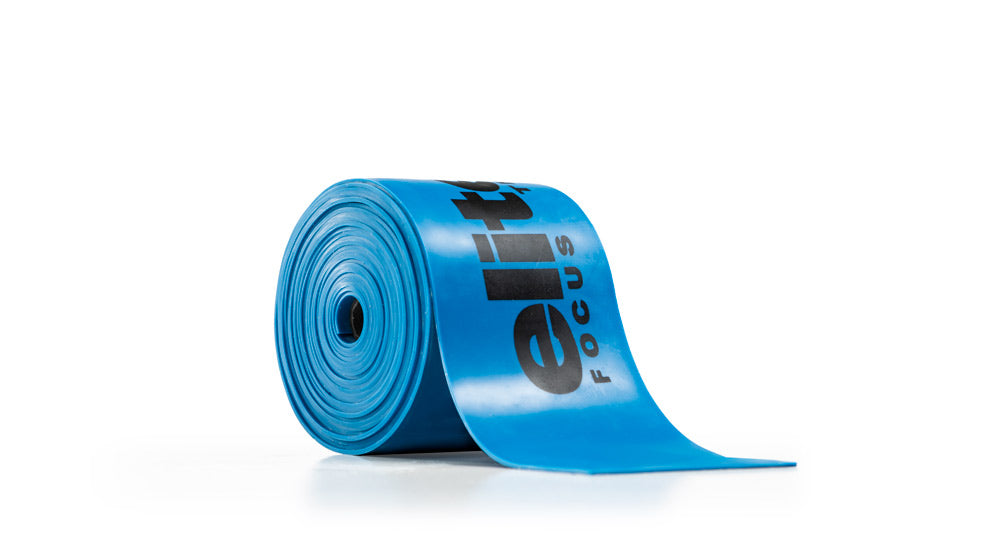
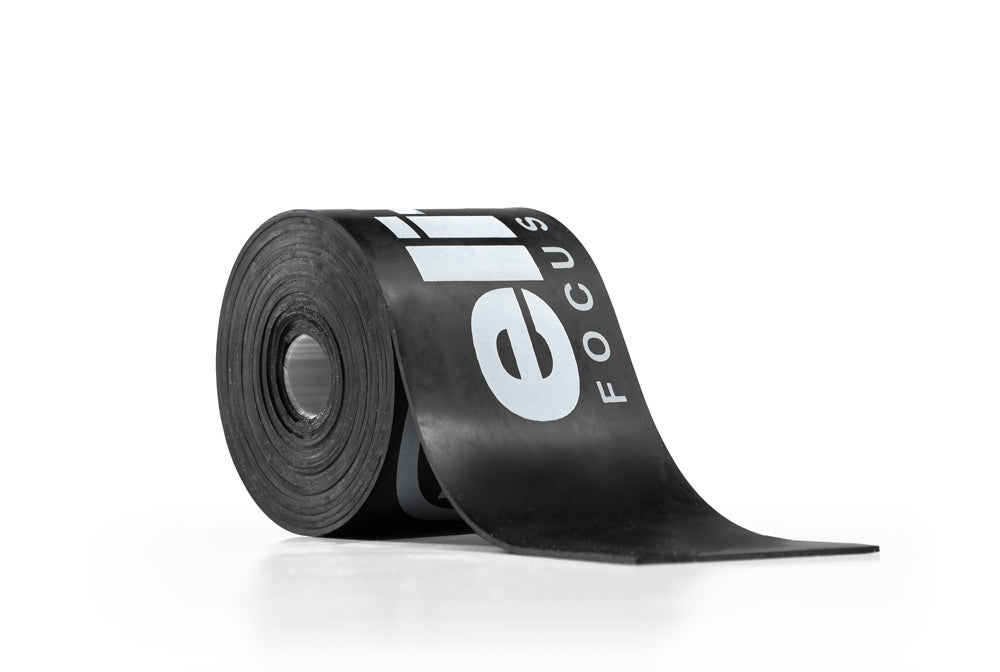
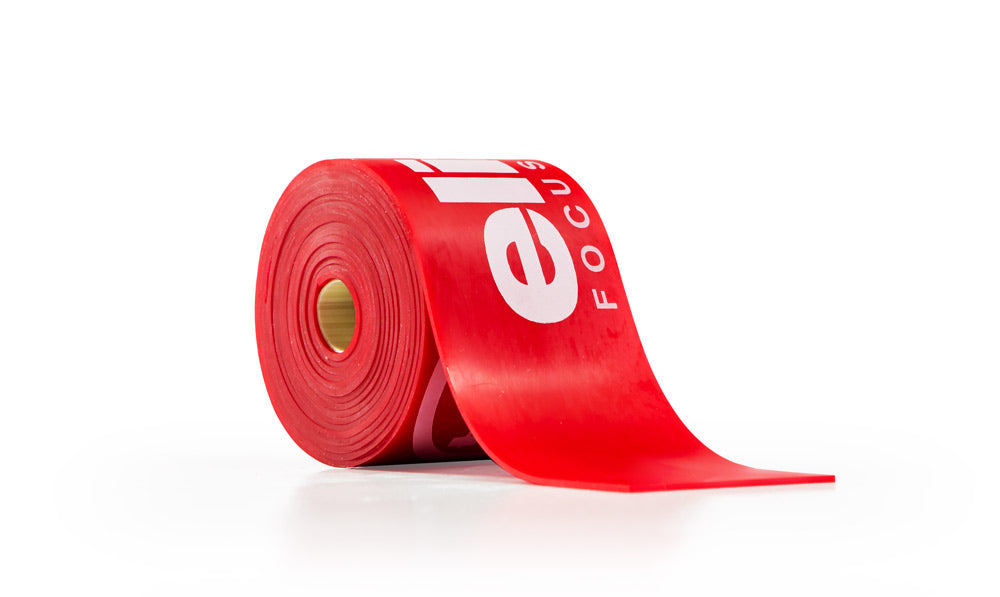
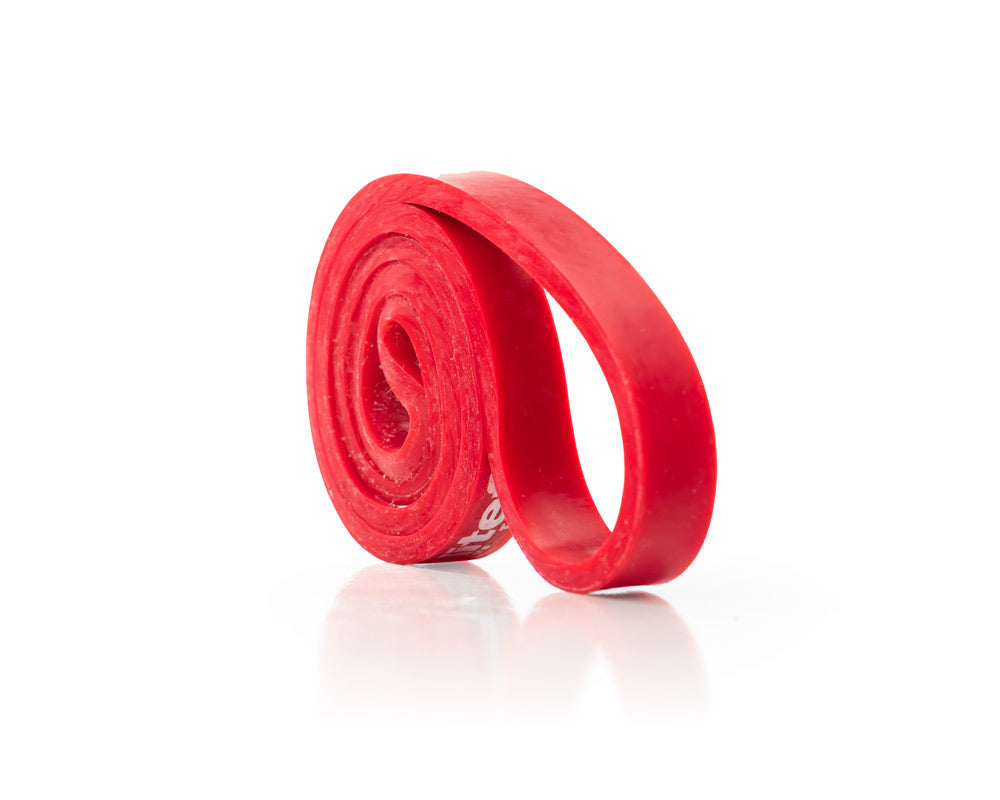
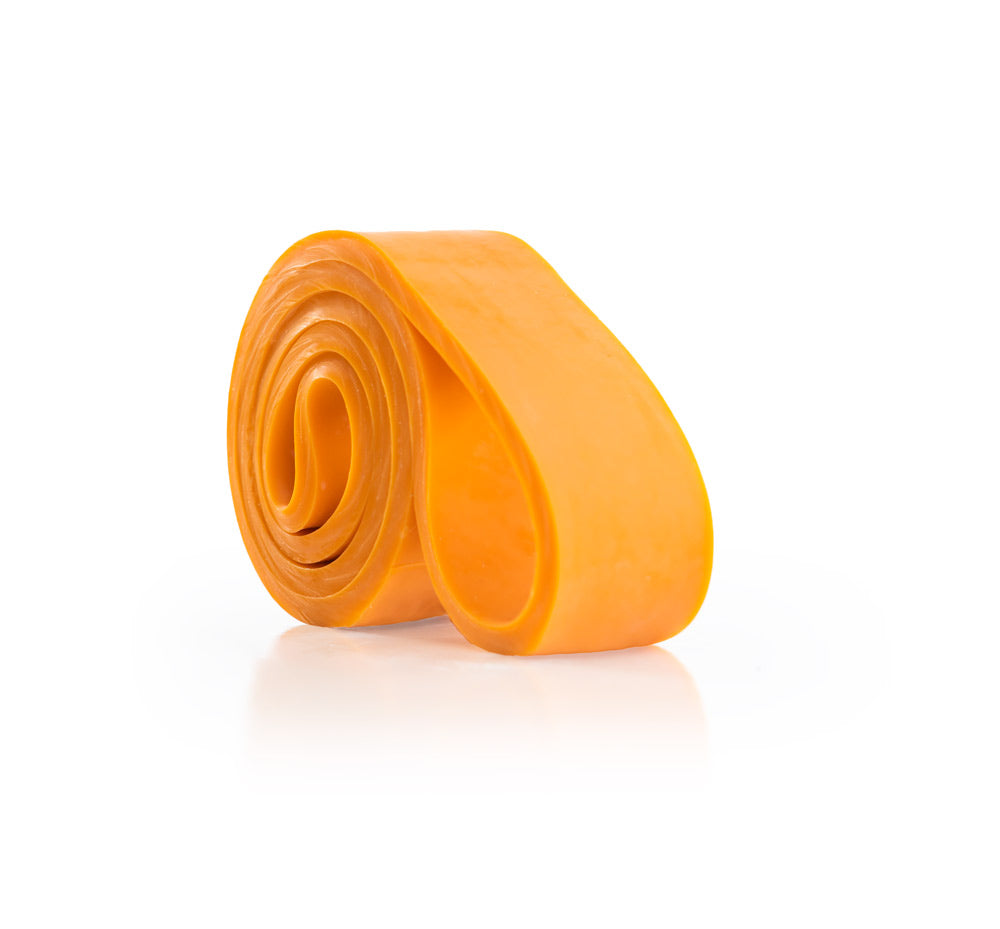
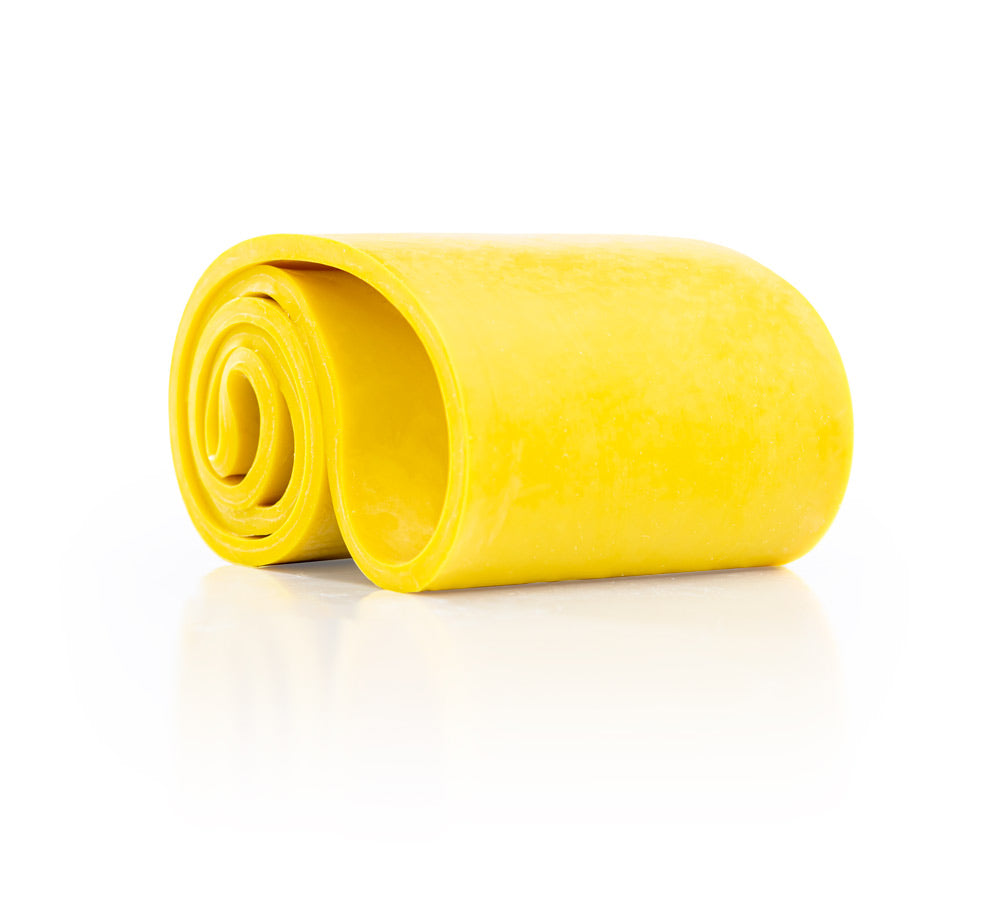
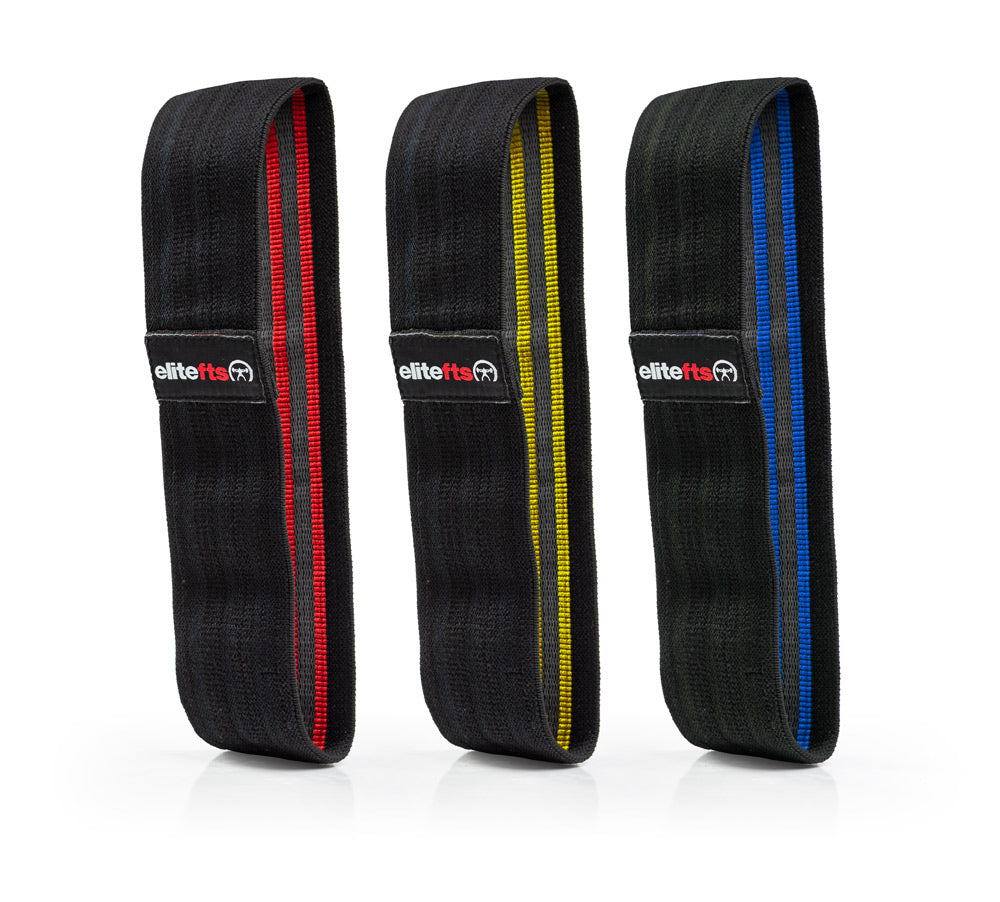
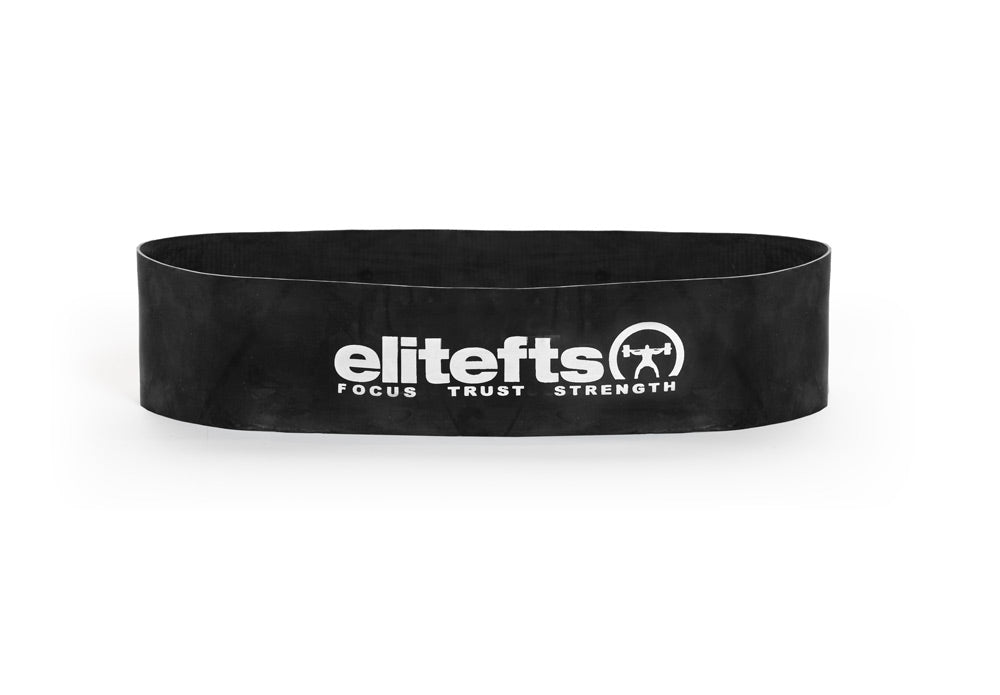
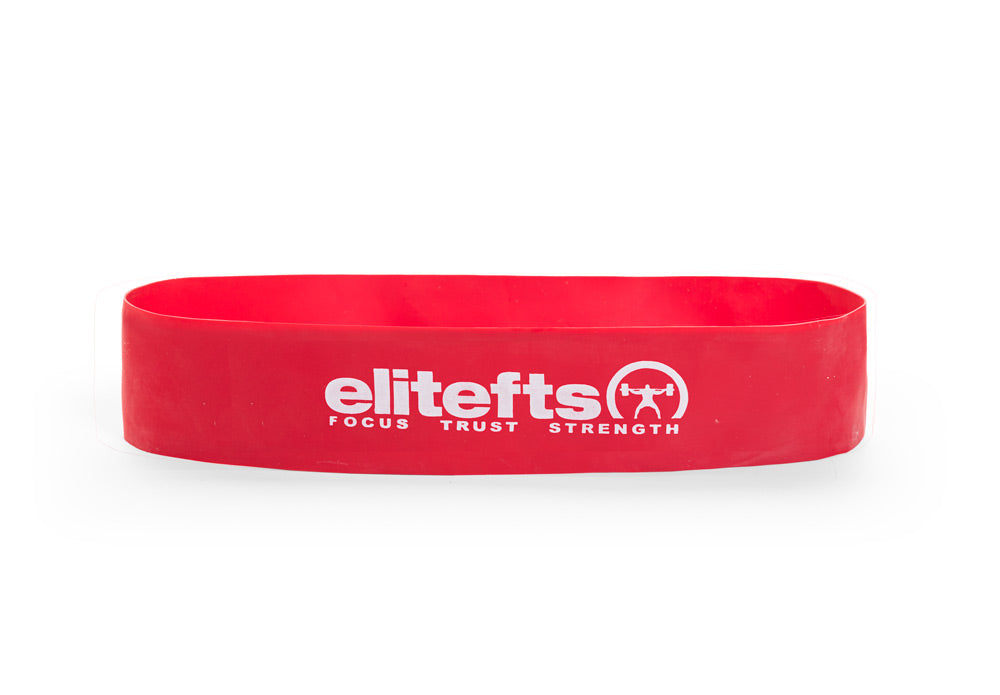
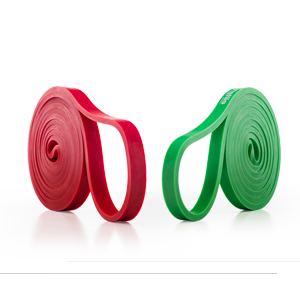
Two elastic bands will be secured high, and one will be looped over the athlete’s injured arm and secured above the elbow.

Cable (ab strap) lat pull-downs

An ab strap can be used in the same manor as the exercise above. This time we’ll be using a cable stack. The injured arm will be put through the ab strap and draped around the cable.

Some other potential unilateral exercises that can be done when training around a hand injury include:

Unilateral lifts, uninjured side

·        unilateral dumbbell/kettlebell arm clean and press

·        unilateral dumbbell/kettlebell rows (great for building static core stability, i.e. preventing torso rotation)

·        unilateral dumbbell/kettlebell floor press

·        unilateral dumbbell/kettlebell bench

·        unilateral dumbbell/kettlebell overhead lunges

·        dumbbell/kettlebell Turkish get ups

·        plate pinches

·        grippers

Unilateral lifts, injured side

·        military press, elastic band around upper arm

·        seated rows, elastic band around upper arm

·        chest flyes, elastic band around upper arm

Bilateral lifts, injured side/uninjured side

·        military press: elastic band secured low and looped anywhere from above the injury to just above the elbow with the uninjured side pressing the dumbbell

·        seated rows: elastic band secured in front and looped above or just below elbow with uninjured side pulling single handled cable attachment

·        chest flyes: elastic band secured low and looped anywhere from above the injury to just above the elbow with uninjured flying a dumbbell

Zercher Lifts

These can easily still be done when working around a hand injury.

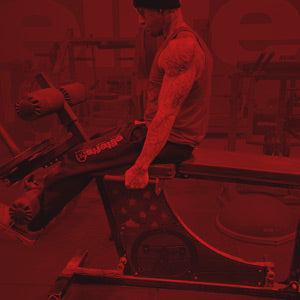
Zercher squats

Some other potential Zercher exercises that can be done when training around a hand injury include:

·        Zercher lunges

·        Zercher step-ups

·        Zercher deadlifts

·        Zercher good mornings

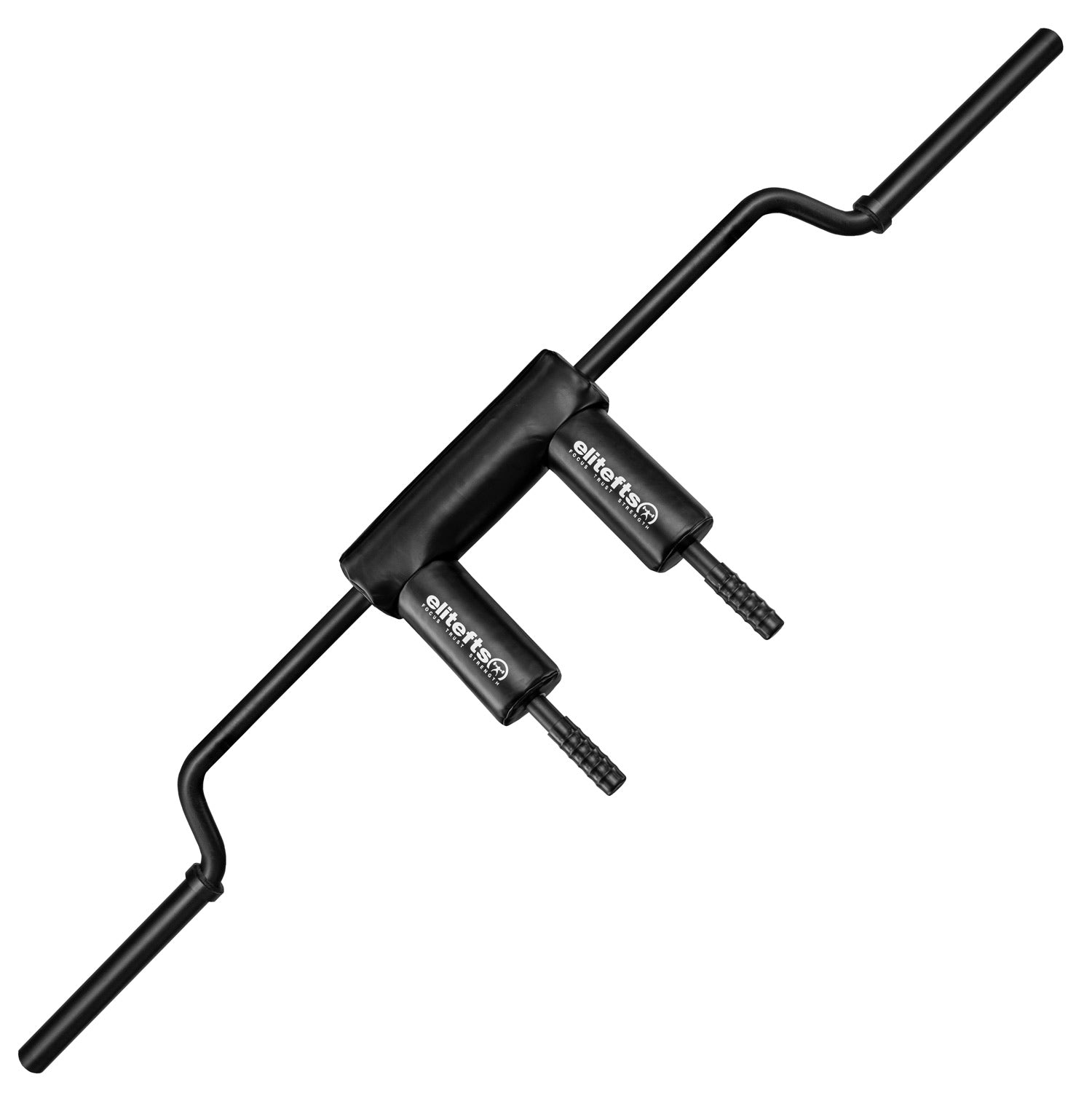
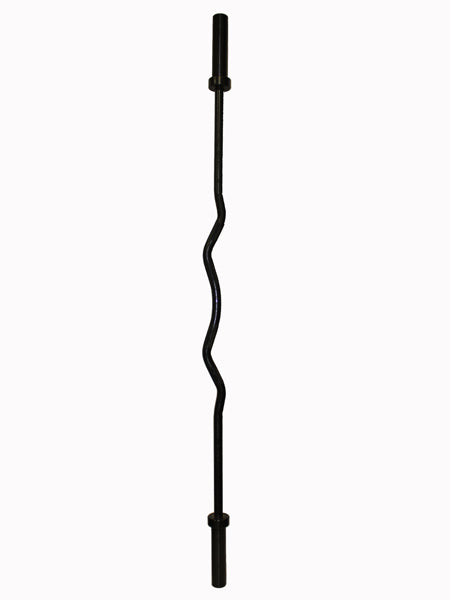
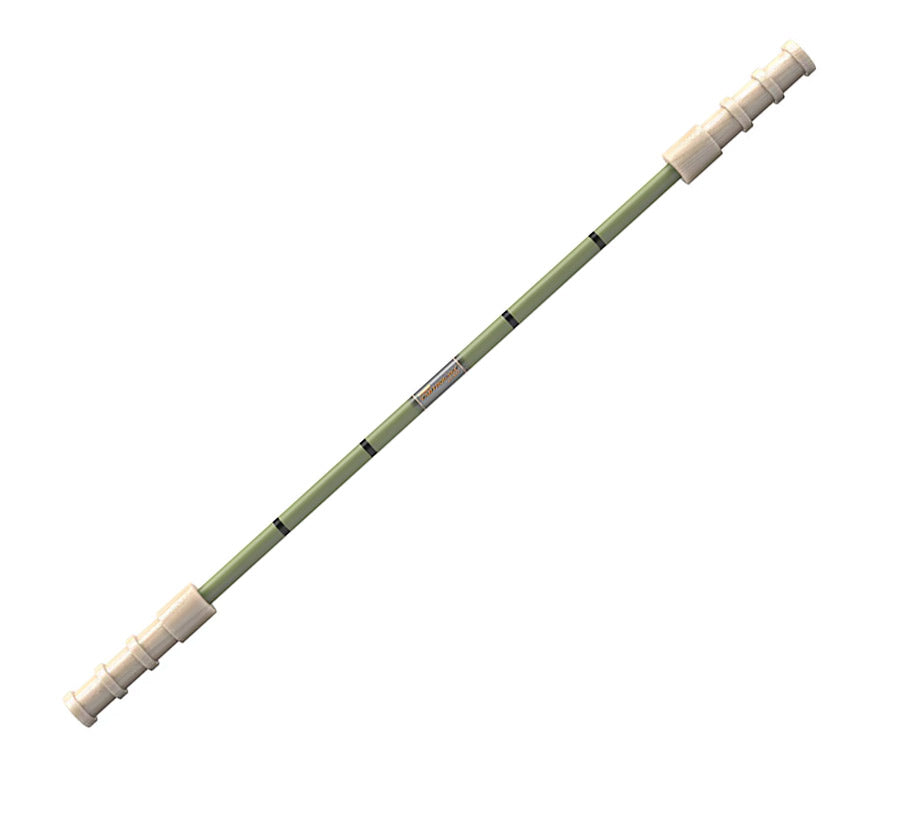
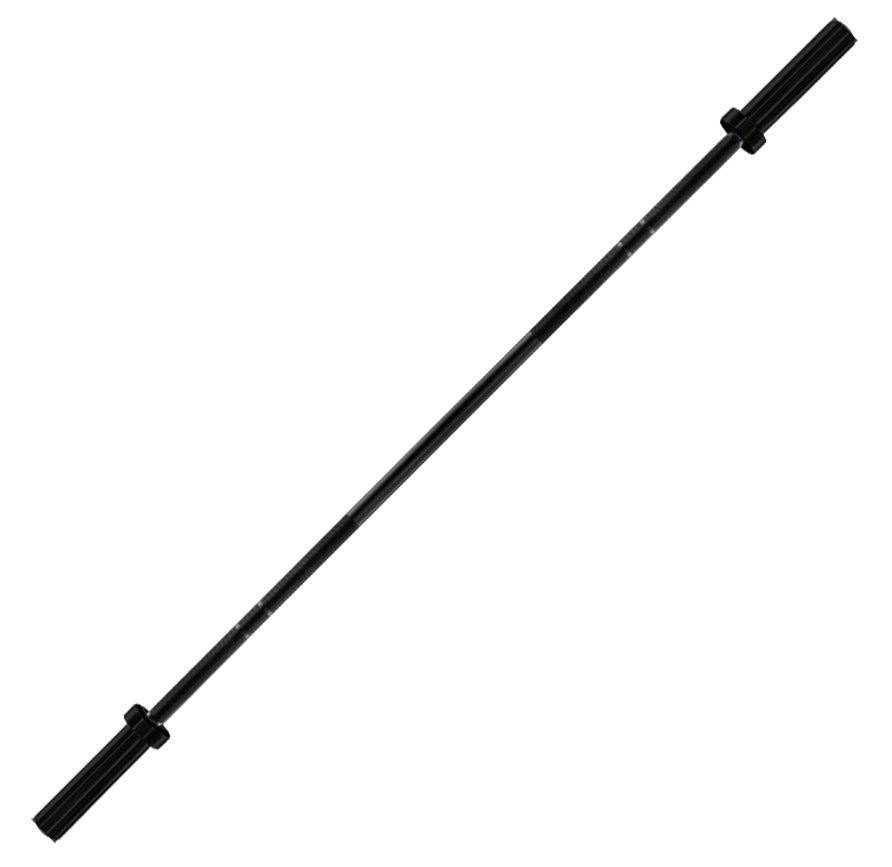
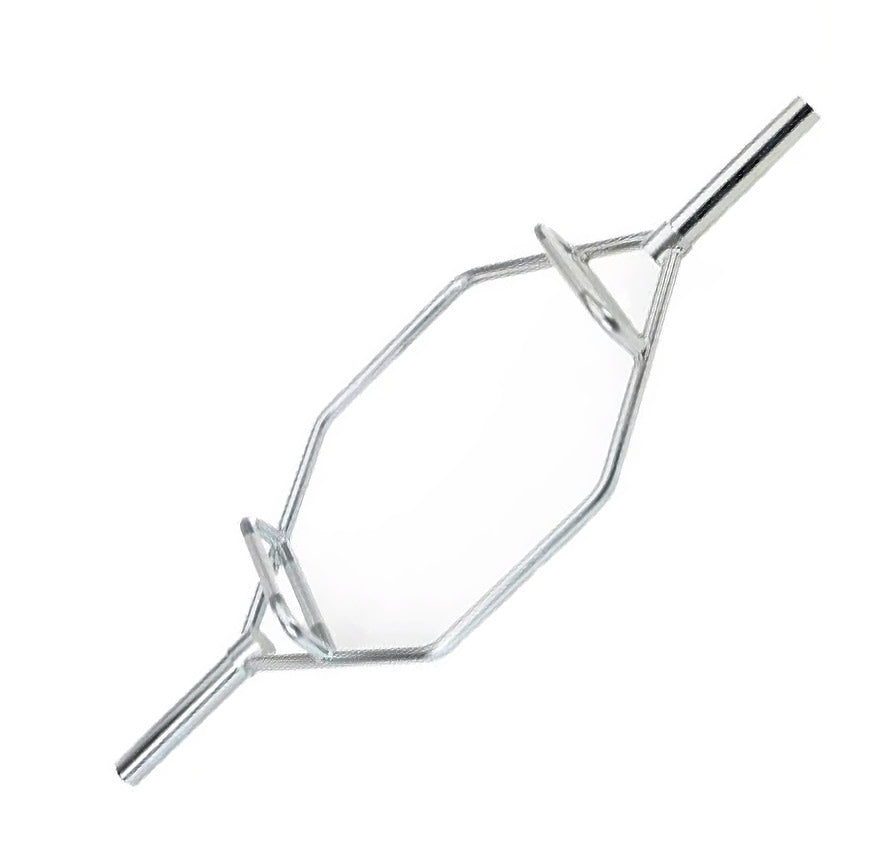
Note: Various odd objects can be substituted for the bar.

Other compound movements can be performed such as:

·        sandbag shoulder squats

·        kettlebell overhead lunges

·        kettlebell pullthroughs

·        unilateral medicine ball explosions (squat to chest press throw)

·        all lunge varieties


Remember, no one beats an Apache in the knife game, and no one has to warm the bench with a hand injury.

References:

Carroll, et al (2006) Contralateral effects of unilateral strength training: evidence and possible mechanisms. J Appl Physiol.

Jim Smith, CSCS

Jim Smith is a performance enhancement specialist with the Diesel Crew. Jim dedicates himself to studying, developing, and enhancing athletic performance through the utilization of conventional, non-conventional, and grip strength training protocols. He is a lecturer, author, and member of the EliteFTS Q&A Staff. Jim has been published by Men’s Fitness and also regularly appears on EliteFTS.com, TotalPerformanceSports.com, FightersReview.com, and many other sites.

Click here for Jim's products


Copyright© 2007 Elite Fitness Systems. All rights reserved. 
You may reproduce this article by including this copyright  
and, if reproducing it electronically, including a link to  
www.Elitefts.com.