
Pressing and the Overhead Athlete

By Eric Cressey

For www.EliteFTS.com


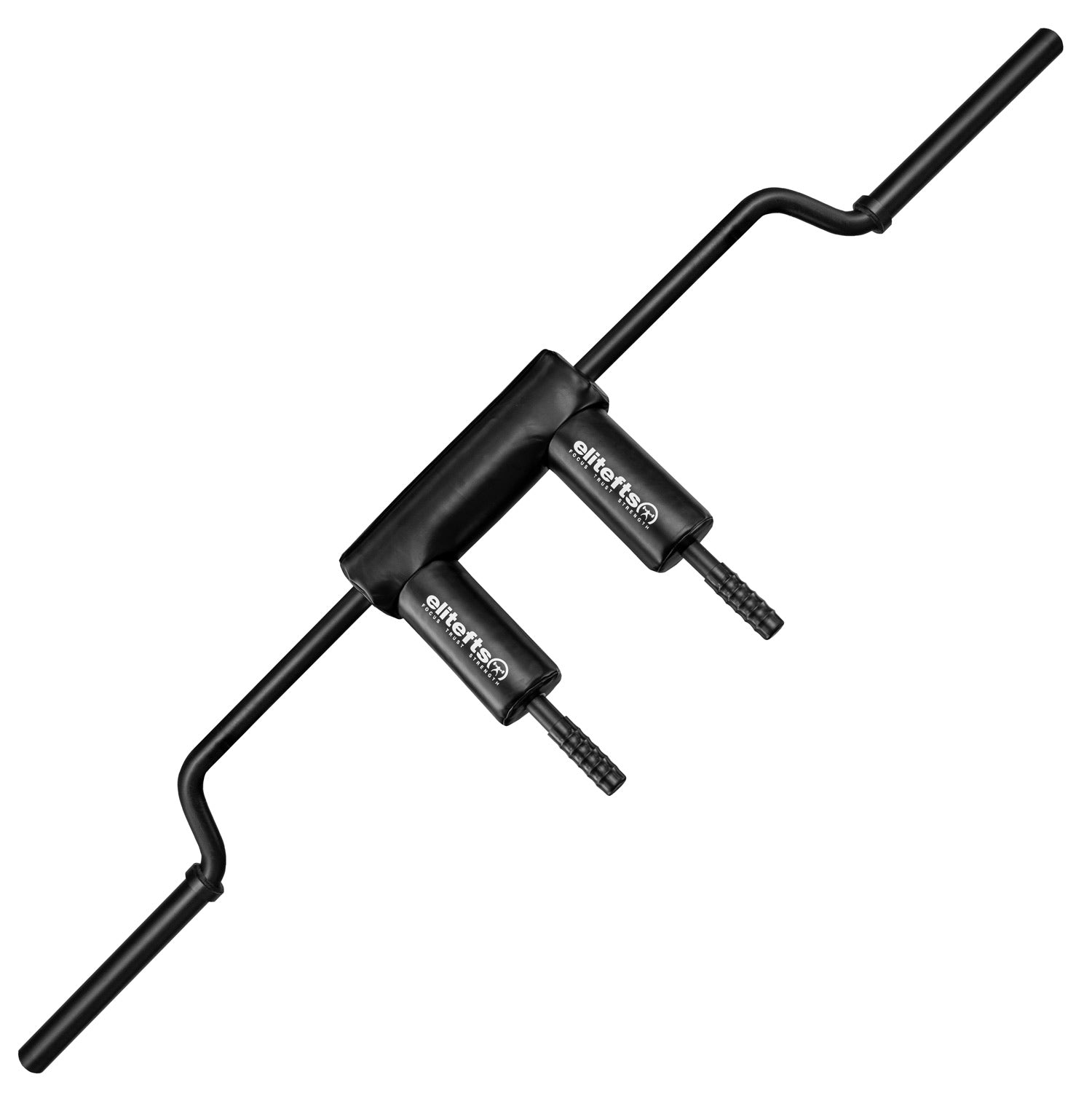
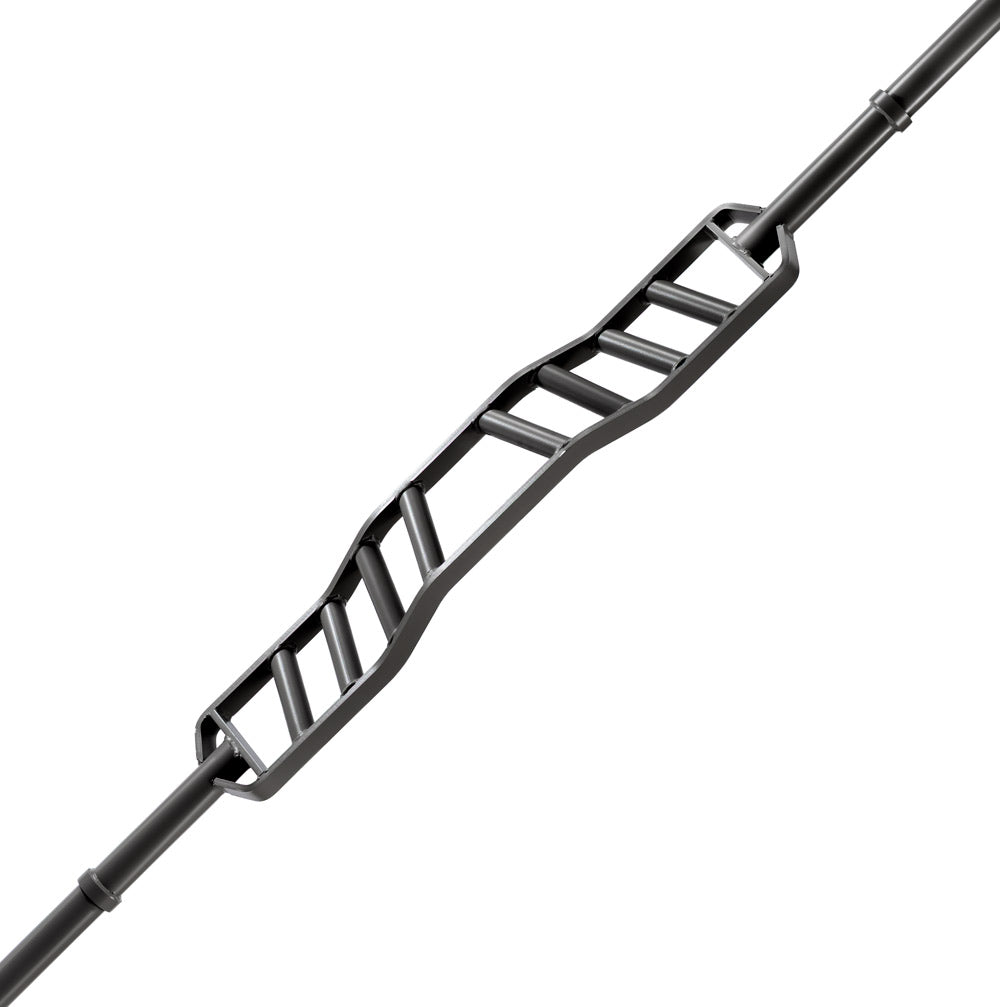
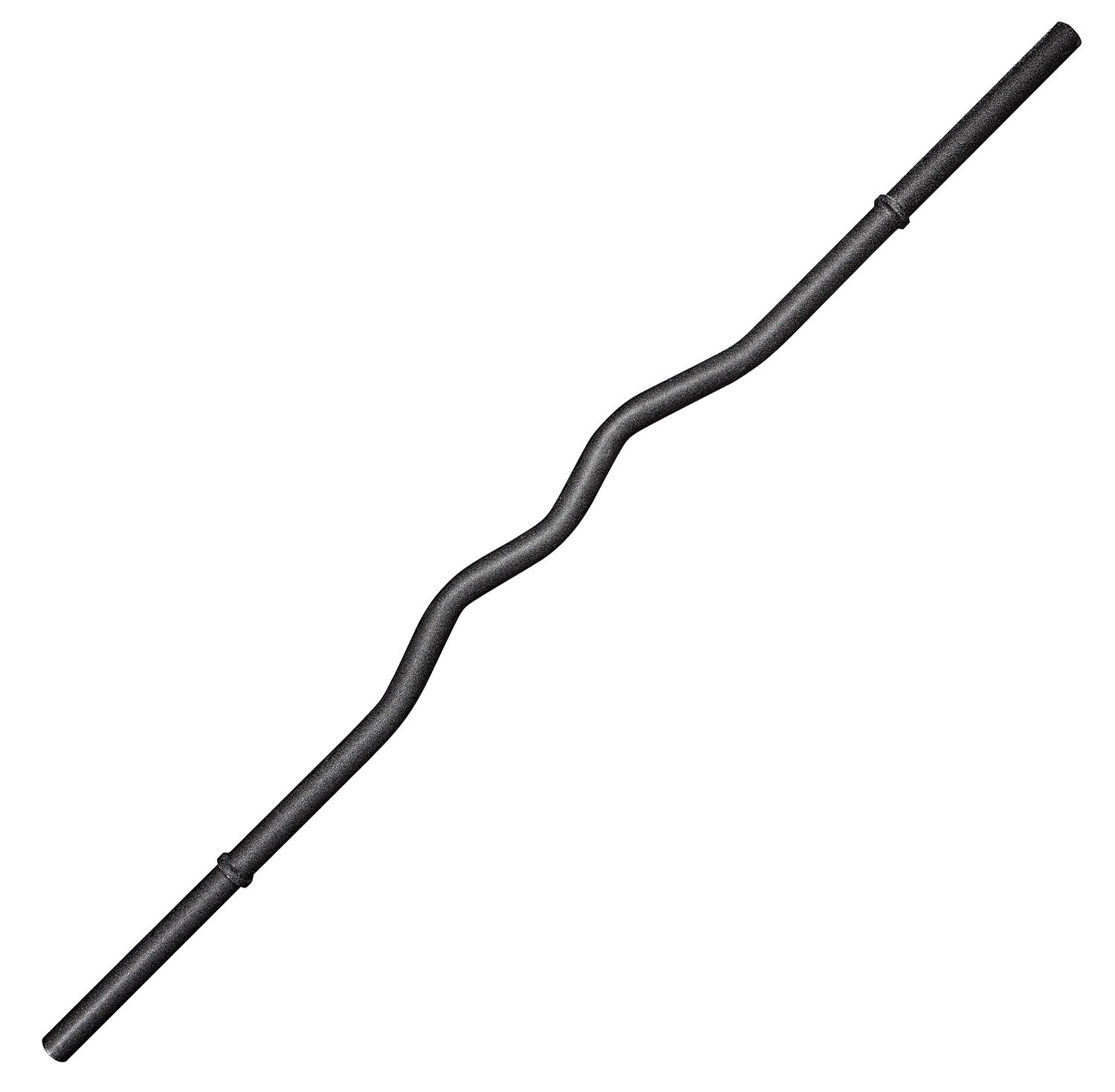
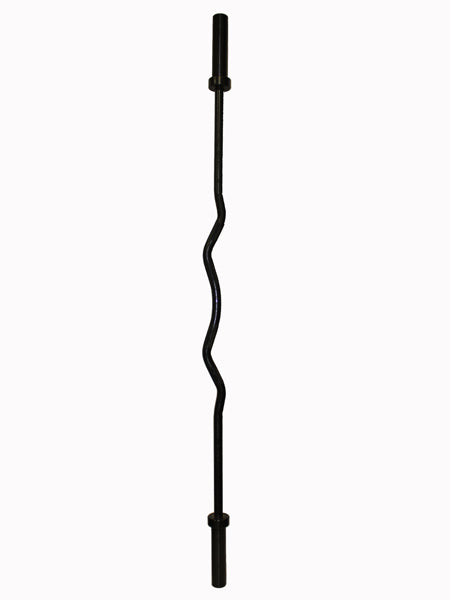
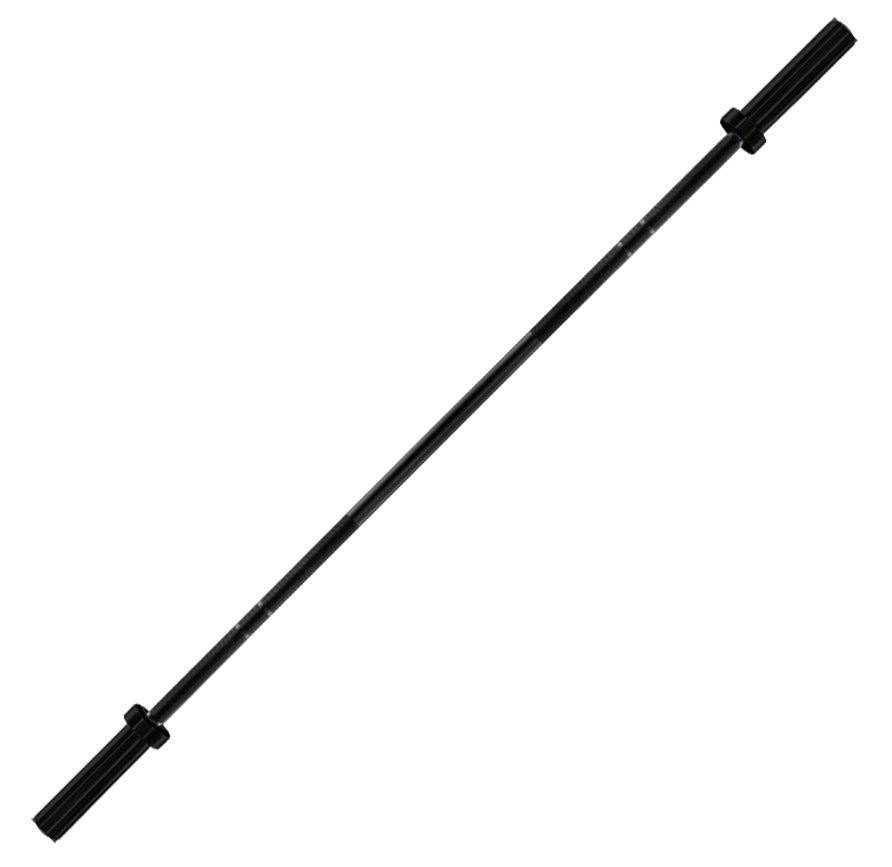
Many of you are going to hate me for what I’m about to say. I don’t let my overhead throwing athletes overhead press or bench press with a straight bar.
There. I said it. Call me all the names you’d like but ask yourself this:

“Am I cursing Eric’s name because I think that the cost-to-benefit ratio of overhead pressing and straight bar bench pressing justifies their use, or is it because I feel naked without these options? I have to bench press. I can’t start an upper body day with any other exercise.”

Regardless of which of these two options is the reason for your frustration, the paragraphs that follow, containing both background information and practical application suggestions, better prepare you to train athletes from overhead sports including baseball, softball, tennis, swimming, and volleyball.

A Biomechanical Justification

I recently delivered a day-long “Sturdy Shoulder Seminar,” and I probably could have talked for another day. In other words, a complete overview of the functional anatomy of the shoulder and common dysfunctions in the shoulder girdle are beyond the scope of this article. As such, we’ll just address the issues that are most closely related to the topic at hand to avoid confusing the take-home message.

As a performance enhancement specialist, lifting is a means to achieve an end, not an end in itself (and, for the record, I’m a powerlifter admitting this). Athletes lift weights to prevent and rehabilitate injuries and indirectly enhance performance through neural, muscular endocrine and biomechanical factors. If an athlete is injured, he/she cannot perform—period. This sentence alone should convince you that the cost-to-benefit ratio of any training intervention should be as low as possible. Your number one job is to not hurt an athlete in training.

With respect to the glenohumeral joint—one of several articulations comprising the shoulder girdle—there are five different characteristics of any exercise that I take into account.

1. Traction versus approximation: Pull-ups and pull-downs (like most cable exercises) are an example of traction exercises. They pull the head of the humerus away from the glenoid fossa (shoulder socket). Conversely, pressing exercises are approximation exercises. They drive the humeral head into that socket. Approximation exercises increase the likelihood of rotator cuff impingement far more than traction, and this is why exercises like pull-downs, pull-ups, and shrugs can be integrated into rehabilitation programs before various presses. It also explains why many people with external impingement respond well to traction work with bands. They’re basically giving the rotator cuff tendons room to breath.

2. Adduction/extension versus abduction/flexion: Does the movement have the arm further away from the body (elevated) or close to the side? We know that an elbows-tucked (more adducted) bench press is much safer for the shoulders than an elbows out (abducted) style of bench pressing. The same can be said for overhead pressing (scapular plane versus frontal plane).

3. Closed-chain versus open-chain: Movements where the distal segment is fixed and the proximal segment is moving (closed-chain; e.g. push-ups) will always be safer for the shoulder than movements where we are stable proximally and moving distally (open-chain; e.g. Bench Press). For this reason, you’ll always be able to integrate push-up variations in a shoulder rehabilitation program before you move to barbell and dumbbell pressing variations.

4. Dumbbells versus barbells: We know that external rotation of the humerus repositions the humeral head and gives the rotator cuff tendons more room to “breath” without impingement as we elevate our arms. We also know that external rotation of the humerus ties in closely with forearm supination—just as internal rotation is associated with pronation.

A barbell fixes us in a pronated position so we’re locked into more of an internally rotated position. Dumbbells allow us to supinate a bit more. In turn, we are able to get more external rotation during the pressing motion, therefore protecting the rotator cuff a bit more than with barbells.

5. Isometric versus ballistic (and everything in between): It should come as no surprise that low velocity movements pose less injury risk than those performed ballistically. We don’t play sports at a snail’s pace, though, so it’s important that we prepare our athletes for the dynamic nature of their sports. However, we still need to recognize that isometric and lower velocity movements have merit in certain instances, especially if we’re looking to deload the athlete.

Putting the Theory to Practice

We know that when we’re dealing with an at-risk population, we need to select exercises that minimize our risk. Based on my experiences, the first two to go are certain abduction/flexion exercises and anything with a barbell. This leaves us with a combination of open- and closed-chain dumbbell and body weight (plus external load) exercises involving traction or approximation at various speeds performed with the arms (in most cases) closer to the body (cueing “shoulders back,” “elbows tucked,” and “belly and chest up” will help take care of this last part).

Let’s look at a sample of exercises from my overhead athlete pressing regimen.

Regular dumbbell variations: This class of movements doesn’t really warrant explanation other than the fact that you have neutral and pronated grips and bench positions from decline to about a 45-degree incline. I prefer the neutral grip whenever possible.

Dumbbell floor press: The shoulder is more at risk with full extension, and while we do need to train full ROM in most cases, the dumbbell floor press is a great variation that maintains a solid training effect while reducing the stress on the shoulder.

Stability ball dumbbell bench press: This movement is best for higher reps. Research has shown that it is possible to maintain muscle EMG activity on dumbbell bench presses on an unstable surface* when compared to a stable version in spite of the fact that lower loads must be used. This occurs because the muscles contributing are working toward joint stability rather than pure movement. You can’t ask for more in a deload week. This scenario gives the muscles a solid stimulus with lower joint torques. I use them every 12 weeks in my own training in place of heavy benching.

*Note: Unstable training surfaces are grossly misunderstood. Please do not take this paragraph to mean that I’m endorsing lower extremity unstable surface training for anyone outside of a rehabilitation realm.

One-arm dumbbell bench press variations: As with above, you can perform these movements at a variety of angles (or on a stability ball or the floor). The only difference is that you’re pressing with one arm at a time. Beginners do well holding two dumbbells at lockout and lowering one dumbbell and pressing it back up while the other arm remains locked out. The individual just alternates sides until the desired number of reps has been completed.


Alternating incline dumbbell press: Once an individual is a little more advanced and has the core stability to resist destabilizing torques better, he/she can go to a version where only one dumbbell is held for the duration of the set.

Thick-handled dumbbell work: I’ve fallen in love with thick-handled dumbbells (and barbells), as they instantly double your options on any exercise and give you a great grip training tool in the process. We typically go with one dumbbell at a time in the second version of the one-arm dumbbell bench press that I outlined above.

Blast strap push-ups: The blast strap is an outstanding tool for training closed-chain pressing exercises while enhancing proprioception at the shoulder and stability at the lumbar spine. Very simply, if you’re lacking in strength, stability, or proprioception, the blast straps will “call you out.” As the athlete gets more proficient with the exercise, we bring the straps closer to the floor and eventually add a weight vest.

Elevated push-up iso holds: I’ve used this exercise with quite a bit of success, and I’m pretty sure that people think I’m nuts because it doesn’t seem hard enough on paper. Here are the exact instructions I give to my online consulting clients when they do it:

“Stack plates or get two aerobic steps on which to put your hands in the push-up position. Use an elbows tucked set up (don’t let them flare out like you’re benching bodybuilder style). Hold in the bottom position. Your humeri (upper arms) should be parallel to the floor. You should be activating all involved muscles maximally during the entire hold. If done correctly, you’ll feel your upper back and triceps firing like crazy as your pecs stretch out.”

This is a fantastic exercise for teaching young lifters the elbows-tucked position, and it also has a lot of merit in post-rehabilitation situations where people aren’t ready for full ROM and open-chain movements. I’ll have people go for as long as 90 seconds, depending on the goal.

One-arm cable twist press: I can hear it now—“Cressey is getting all functional on us! Bastard!” This isn’t my meat and potatoes movement, but it is a good supplemental exercise that trains unilateral power and helps teach an athlete to move at the hips, ankles, scapulae, and shoulders while maintaining stability at the lumbar spine. In other words, it’s a great segmental mobility-stability exercise. Just as importantly, it doesn’t cross the line into trying to replicate a sports skill. If I see one more bonehead having pitchers throw off a Bosu ball, I’ll probably suffocate myself with an Airex pad.

Kneeling cable press-rows: I learned this exercise from Mike Boyle, and it’s another great one that serves as a progression from the one-arm cable twist press. Once you’ve mastered resisting rotation at the lumbar spine while using one arm, you incorporate the other arm. I’ll cue the athlete to brace the abs hard and keep the lower back stable throughout the movement. As they get more advanced, you can bring them to the standing position for this exercise.

Closing Thoughts

I want to reiterate that all my overhead athletes are still doing the overwhelming majority of the “meat and potatoes” movements we’ve all come to know and love. They box squat, front squat, deadlift, chin, row, and do tons of single-leg movements. It’s just been my experience that we can get outstanding results in terms of both injury prevention and performance improvements with the pressing modifications I outlined above.

Eric Cressey, MA, CSCS, is a Boston based performance enhancement coach and a competitive powerlifter with competition bests of a 540 lb squat, 402 lb bench, 628 lb deadlift, and 1532 lb total in the 165 lb weight class. With Mike Robertson, Eric coproduced Magnificent Mobility, a DVD that has yielded tremendous results with enhancing performance, reducing injury risk, and correcting long-standing imbalances and chronic injuries. Cressey is the author of The Ultimate Off-Season Training Manual available at www.UltimateOffSeason.com. You can find out more about Eric and sign up for his free newsletter at www.EricCressey.com.

Elite Fitness Systems strives to be a recognized leader in the strength training industry by providing the highest quality strength training products and services while providing the highest level of customer service in the industry. For the best training equipment, information, and accessories, visit us at www.EliteFTS.com.


Copyright© 2007 Elite Fitness Systems. All rights reserved. 
You may reproduce this article by including this copyright  
and, if reproducing it electronically, including a link to  
www.Elitefts.com.