



| You wanna get strong? You wanna lift so much weight
that your gym has to order more plates? You wanna be
able to grab a few girls, stack'em on top of each other
and hoist them high into the air using only your pinky
finger while you peer furtively up their skirts? Sure,
who doesn't? Strength is a cool side effect of
bodybuilding, but if you really want to develop maximal
strength, two things are for certain. One, you'd better
use periodization and two, you better listen to Dave
Tate.
In
Part I of this article, Dave gave you a thorough
explanation of linear (or Western) periodization. This
time, Dave will explain the improved Westside variation
of this popular method.
The Westside method is a periodization program known
as conjugated periodization. Simply put, this
means that several abilities are coupled together
throughout the training. The Western method of
periodization separates these variables while the
Westside method puts it all together at the same time.
The entire Westside method is centered around three
basic pathways to strength development:
The Max Effort Method
The max effort method is considered by many coaches
and athletes as being the superior method of strength
development. It places great demands on both
intramuscular and intermuscular coordination as well as
stimulating the central nervous system. These demands
force the body into greater adaptation and this
adaptation is what's responsible for strength gains.
When training using the max effort method, the
central nervous system inhibition is reduced. Thus the
max number of motor units are activated with optimal
discharge frequency (Zatsiorisky). The one drawback to
using this method is that you can't train with weights
above 90 percent RM for much longer than three weeks
before the nervous system begins to weaken. When this
happens your strength will begin to diminish.
This is one of the major reasons why progressive
overload will only work for so long. With this in mind,
Westside set out to find a way around this three-week
barrier. The way to overcome this barrier is to switch
the exercises used for the max effort method every one
to three weeks. This keeps the body fresh so the method
can be used year round.
So how do you use this method? First, decide on one
main exercise that will be trained with this method.
After a proper warm-up, proceed to this exercise and
begin to warm up with the bar. Taking small weight
increases, you begin to work up in weight with sets of
three reps. When three reps begins to feel heavy, you
drop down to single reps. This is when you begin to try
to max out on the exercise. Keep increasing the weight
until you've reached your one rep max. Make sure to keep
track of what this record is because this is what you'll
try to beat next time out. A max effort exercise would
look like this:
*A floor press is done just like a
bench press,
but while lying on the floor.
In the above example, 425 would represent the
lifter's one rep max. This is the number that should be
recorded and that you'll try to break on a later date.
It's very important to use this method with only one
exercise per workout and no more than one time per week
for each lift. The Westside method schedules one max
effort day for the bench and one for the squat and
deadlift as follows:
Monday: Max effort day for building the squat and
deadlift (while this seems contradictory to the
above statement — doing only one exercise per
workout — it's not, in that you'll be doing one
exercise to build both movements).
Wednesday: Max effort day for building the bench
press.
Since many of the same muscles are used for the squat
and deadlift, they're trained on the same day. Actually,
very little deadlifting is performed with this style of
training because of these reasons.
The best max effort exercises for the squat and
deadlift are good mornings, low box squats and deadlifts
themselves. The good morning is probably the best
overall exercise for strength development and should be
utilized 70% of all max effort days. There are several
different types of good mornings that can be performed.
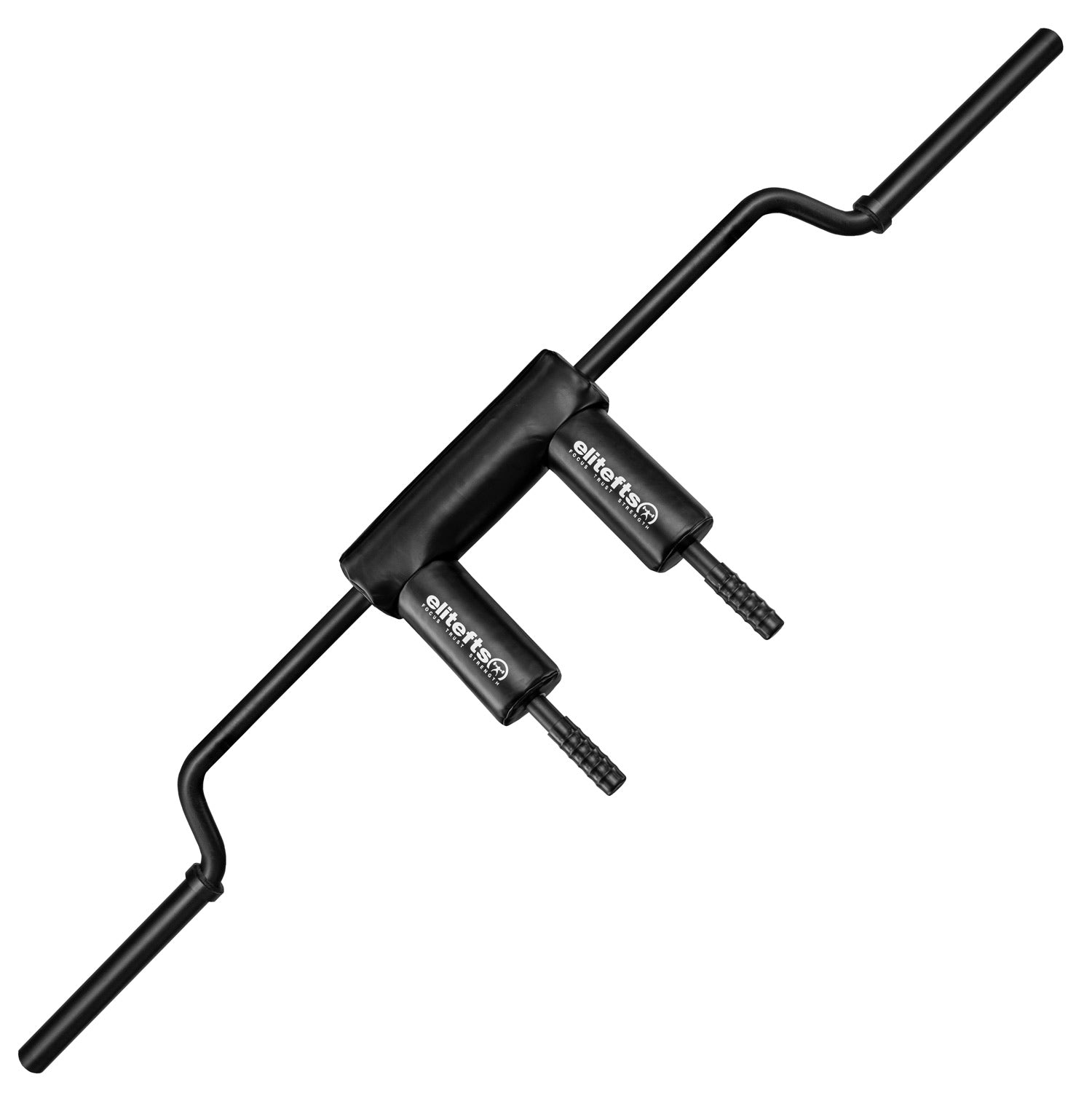
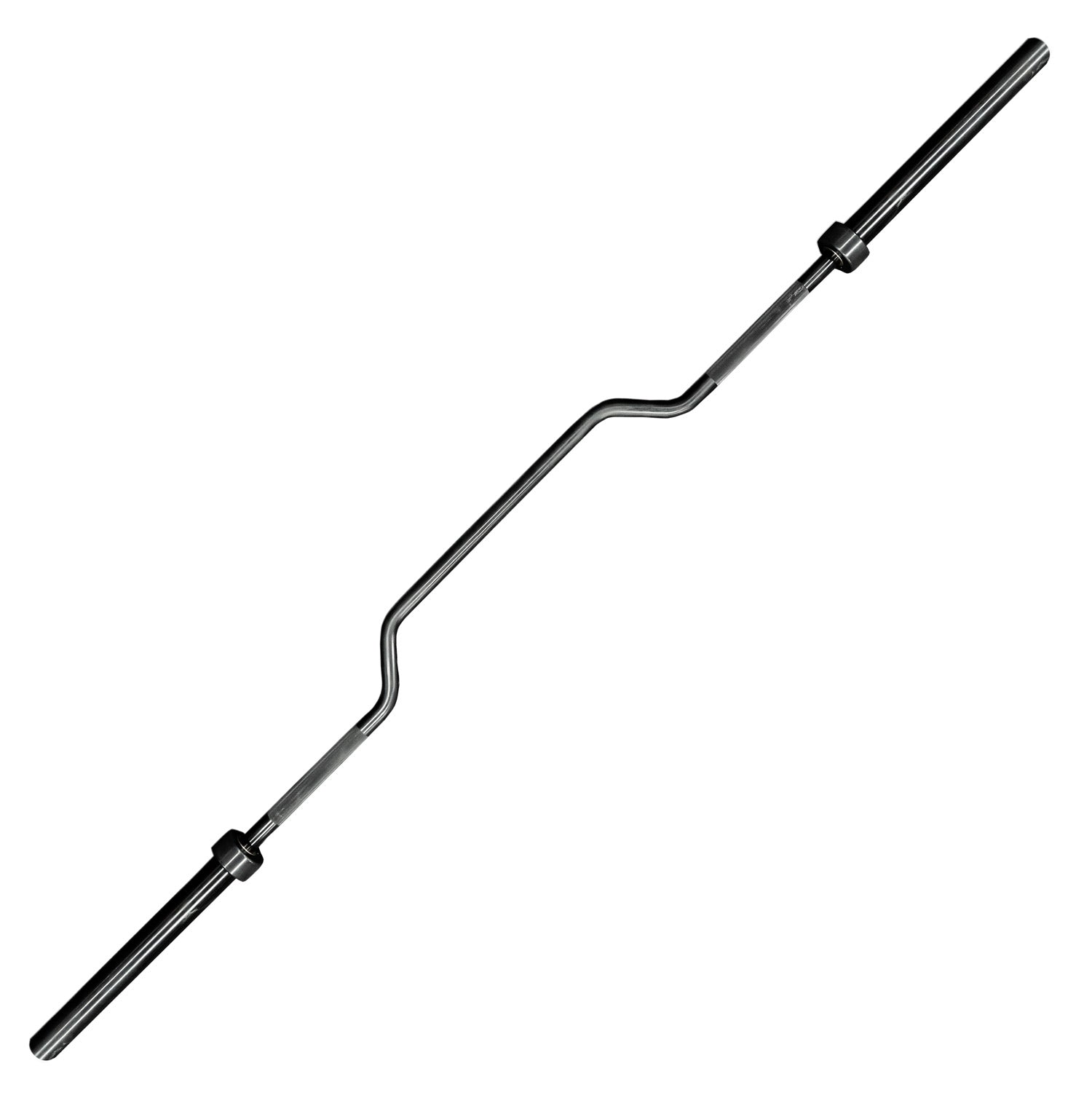
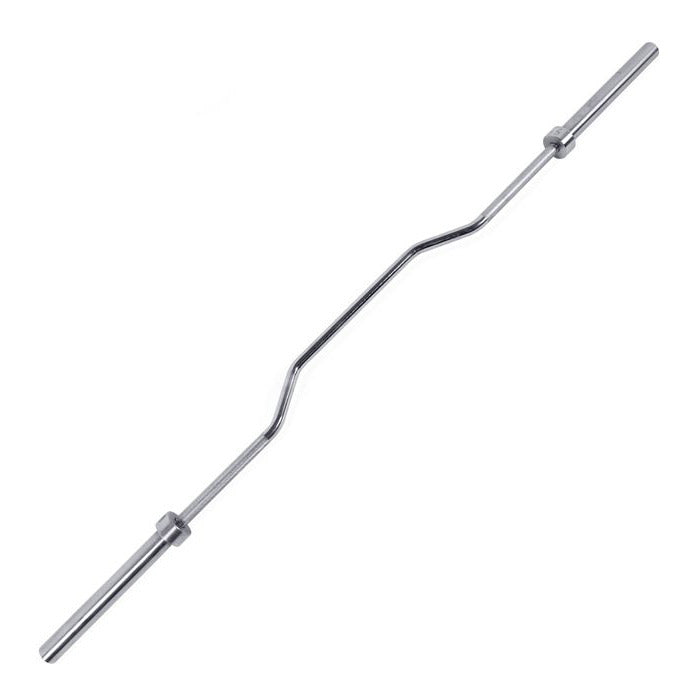
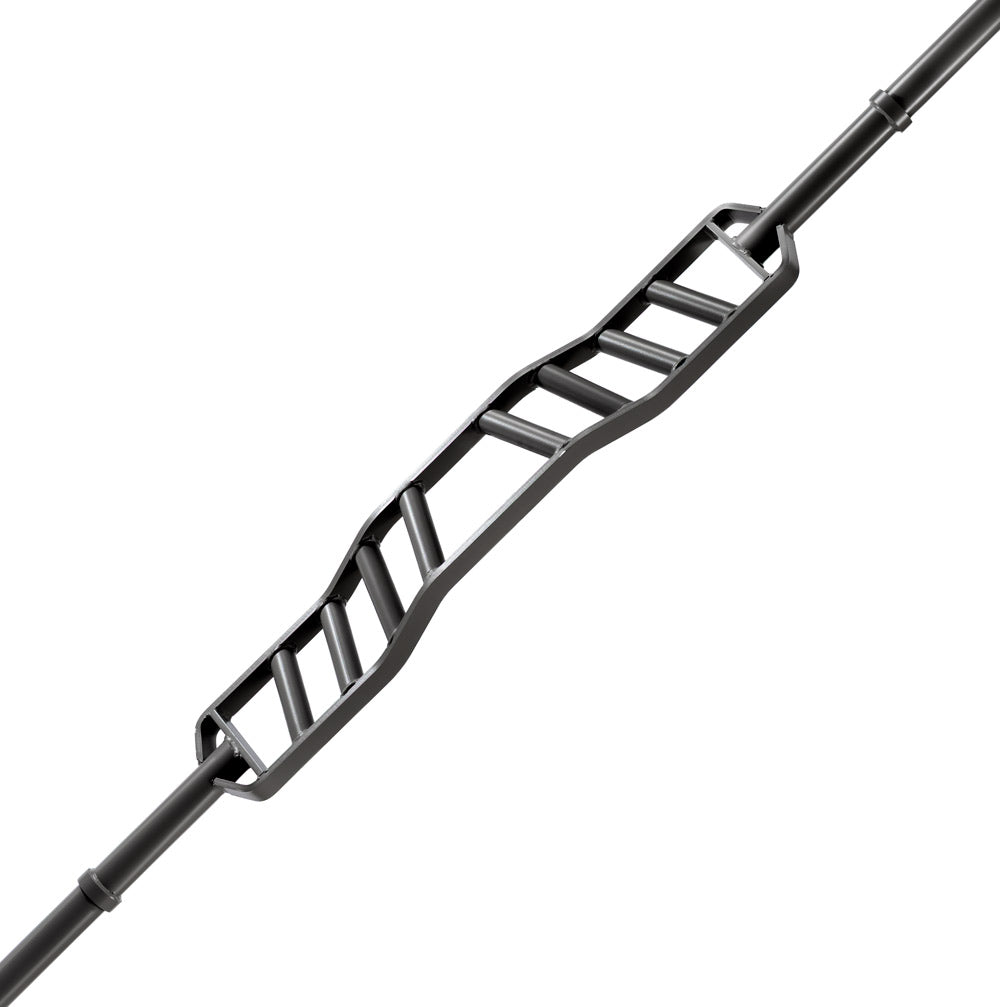
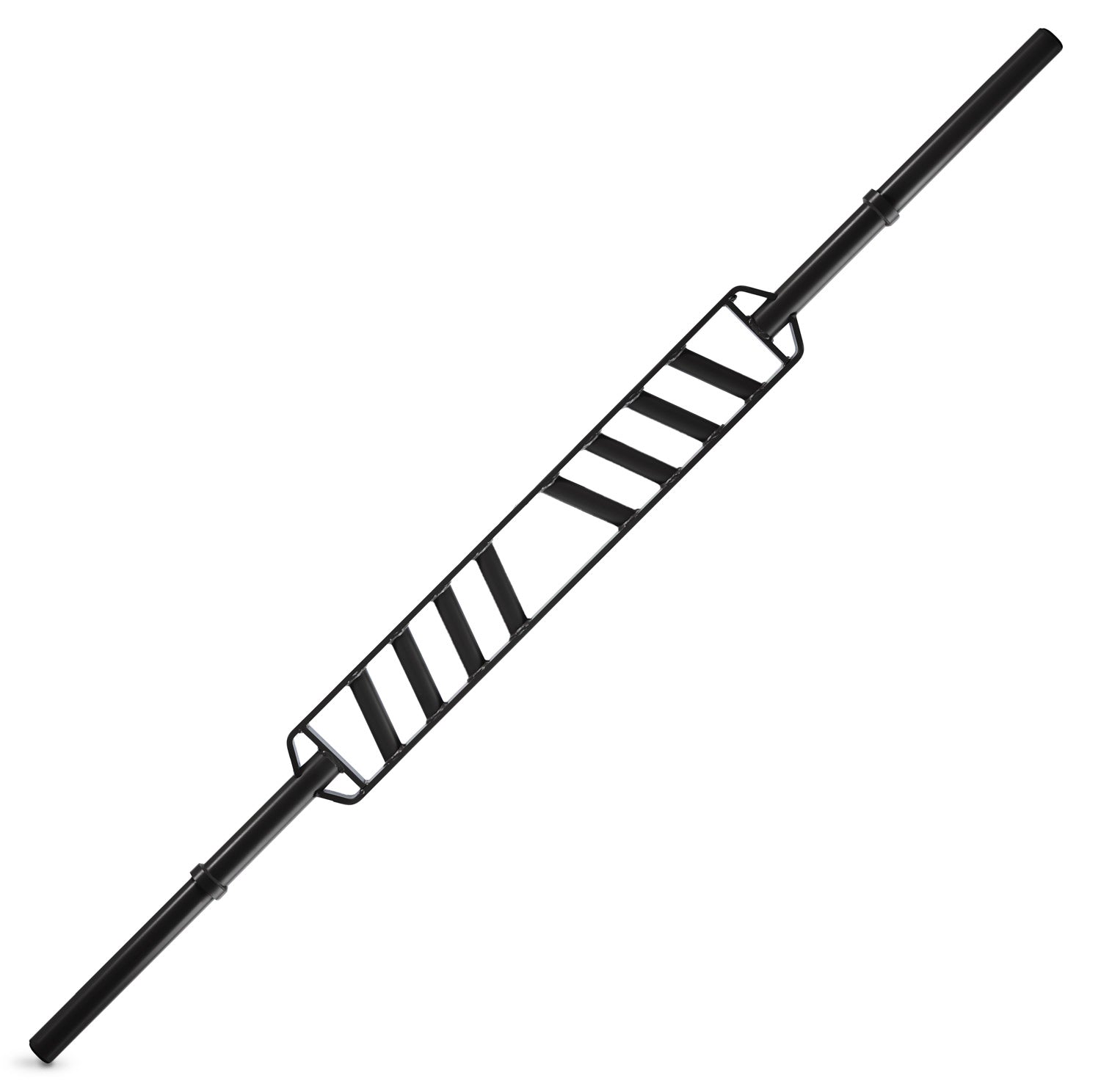
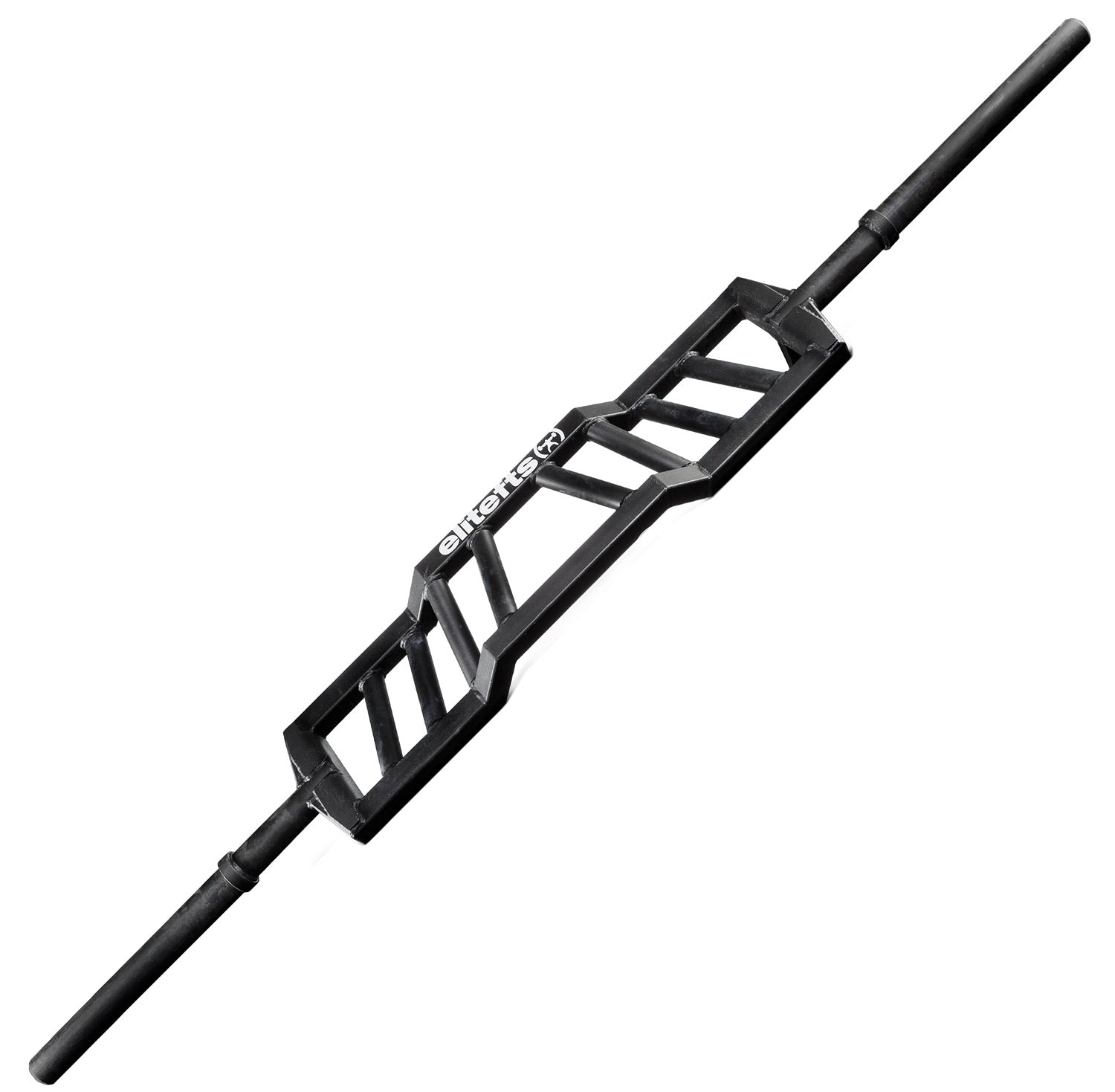
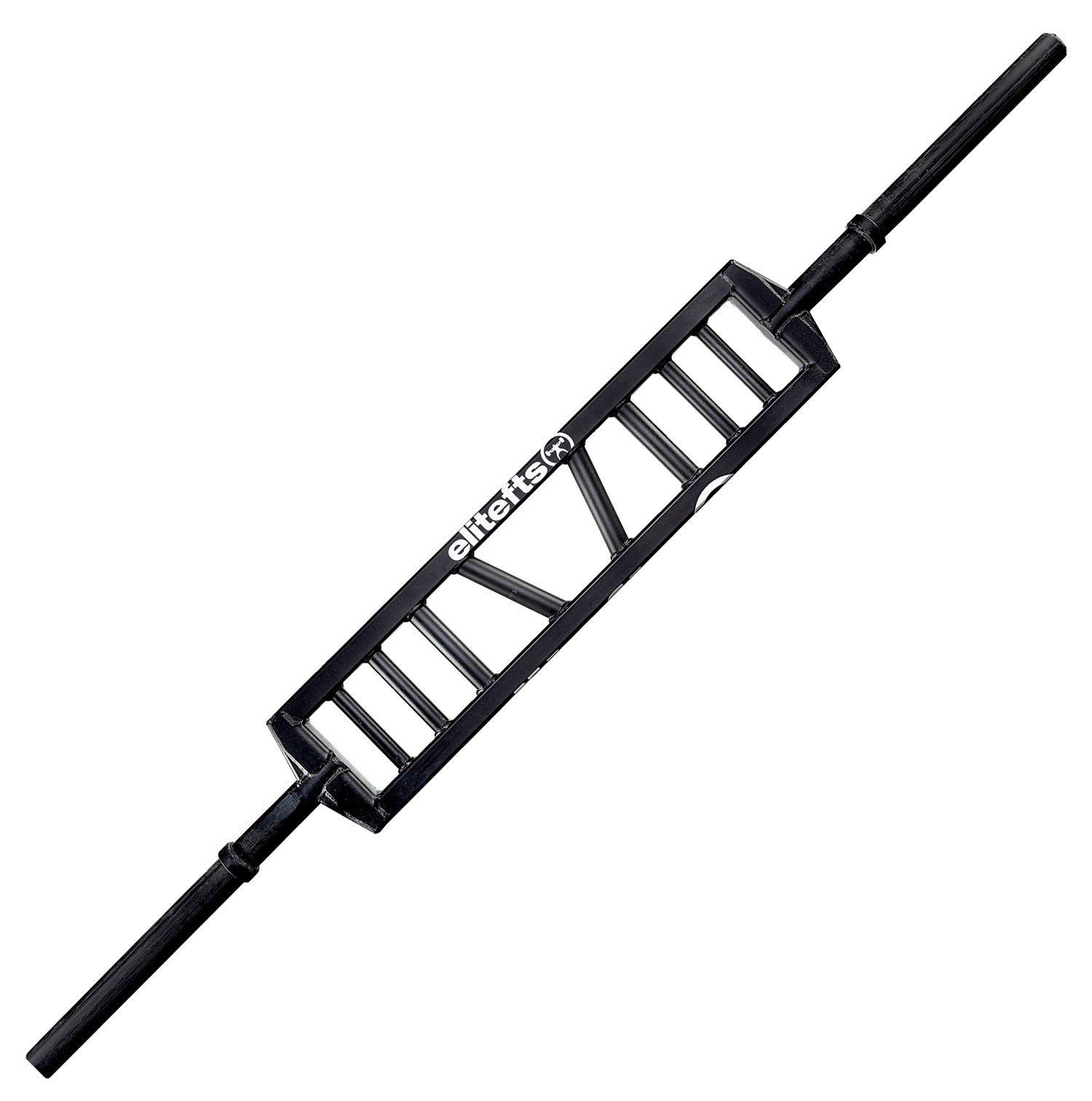
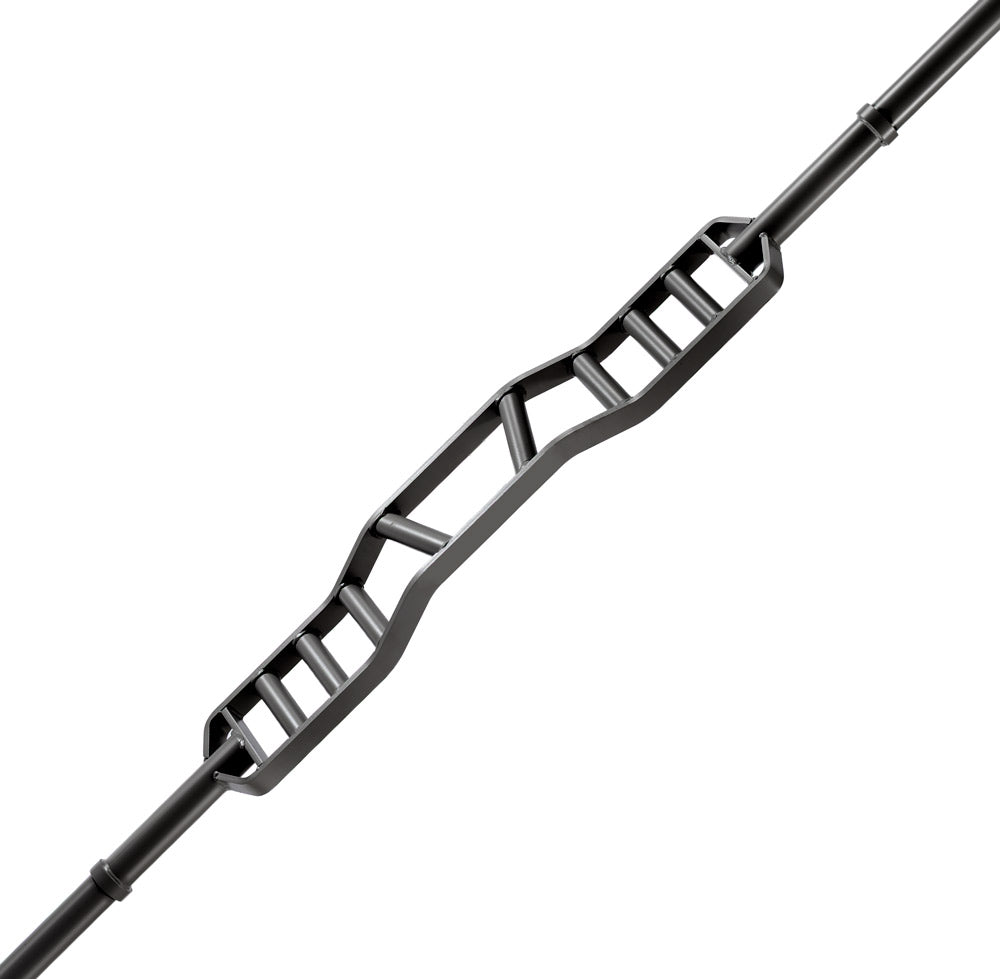
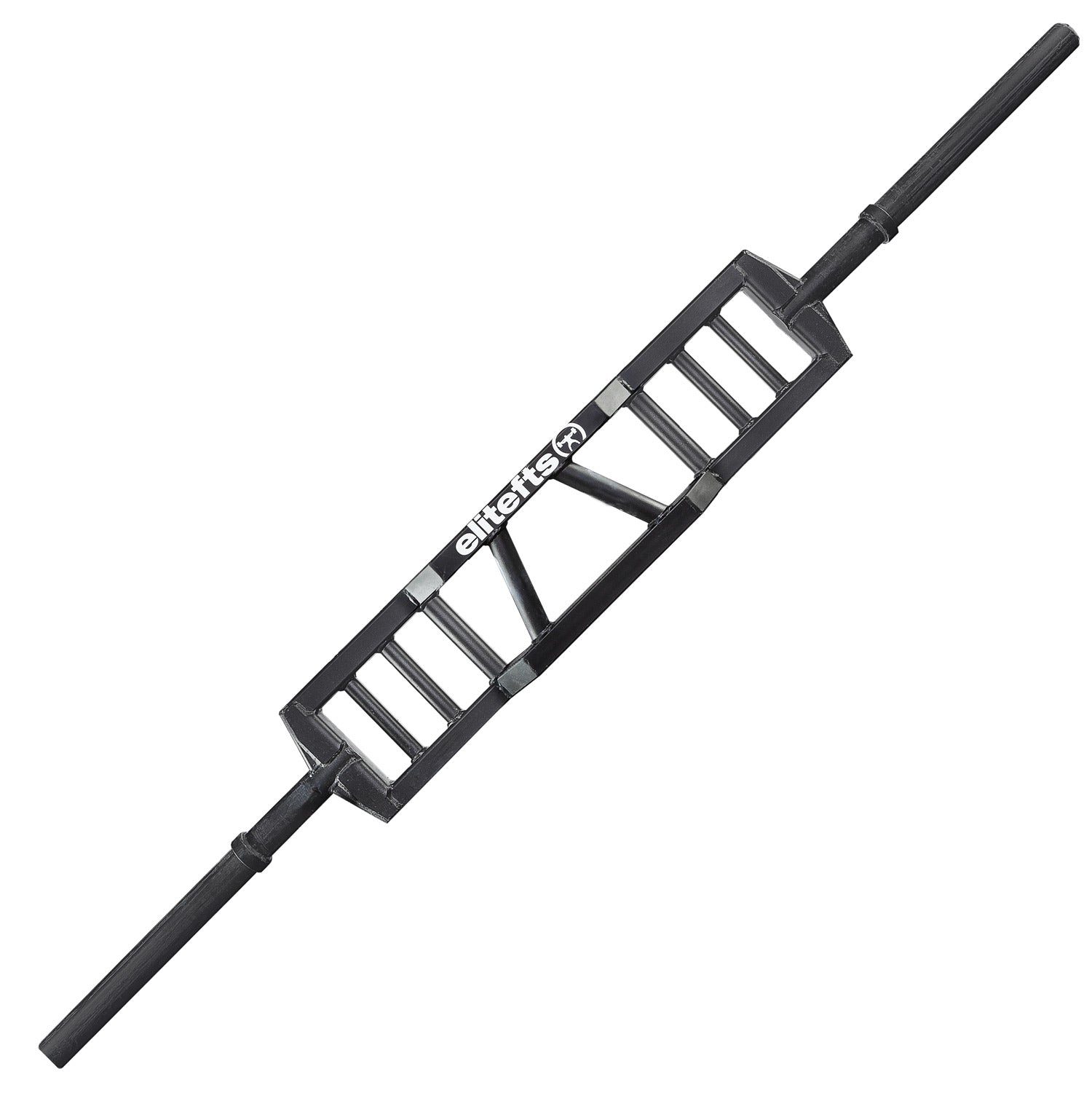
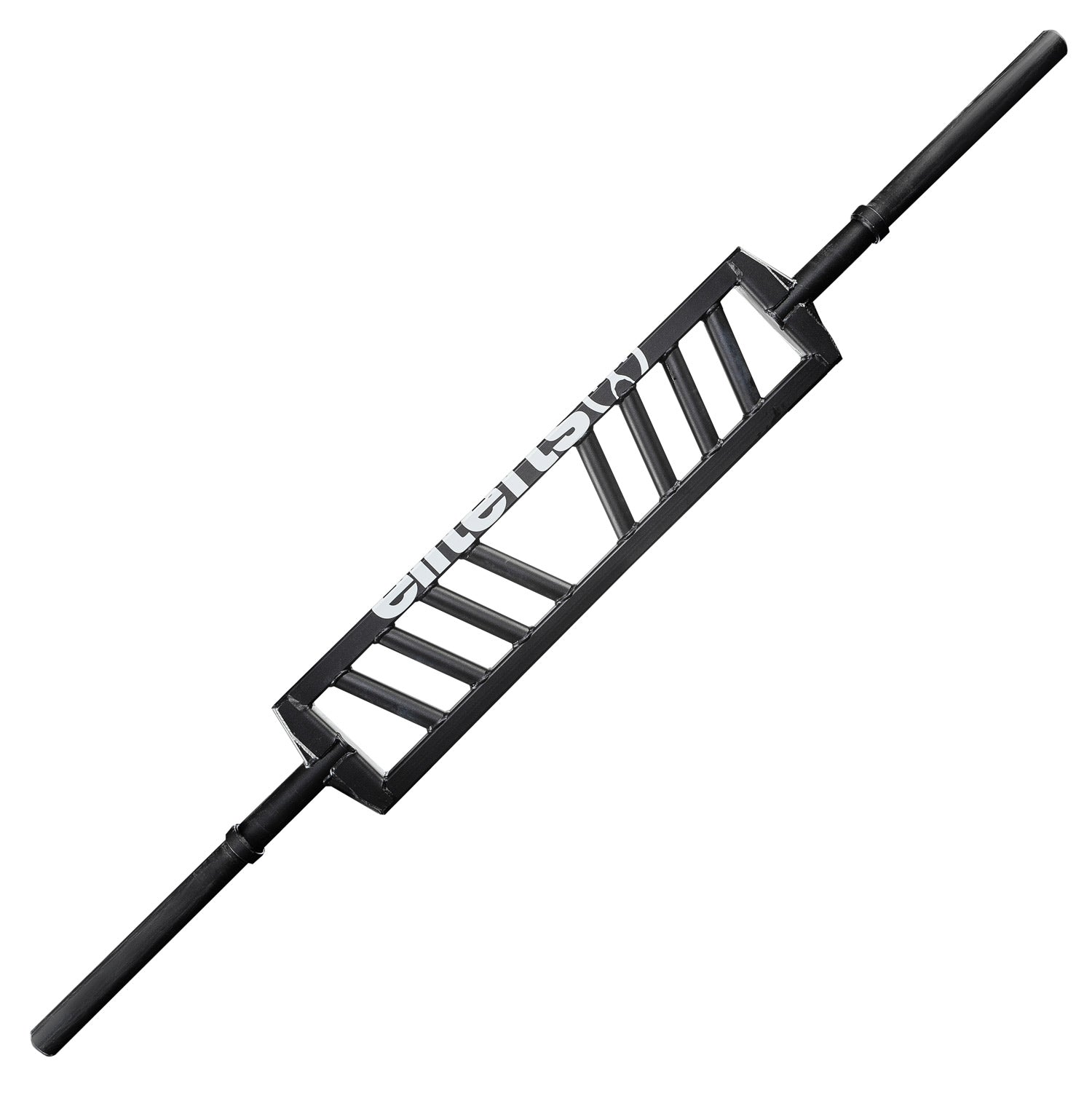
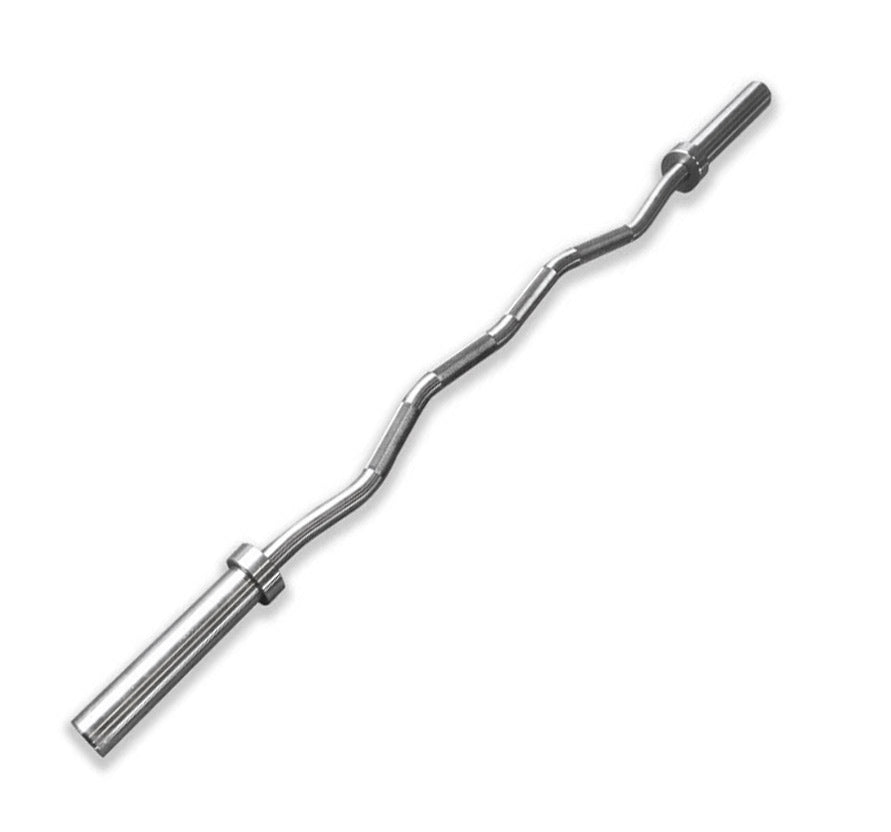
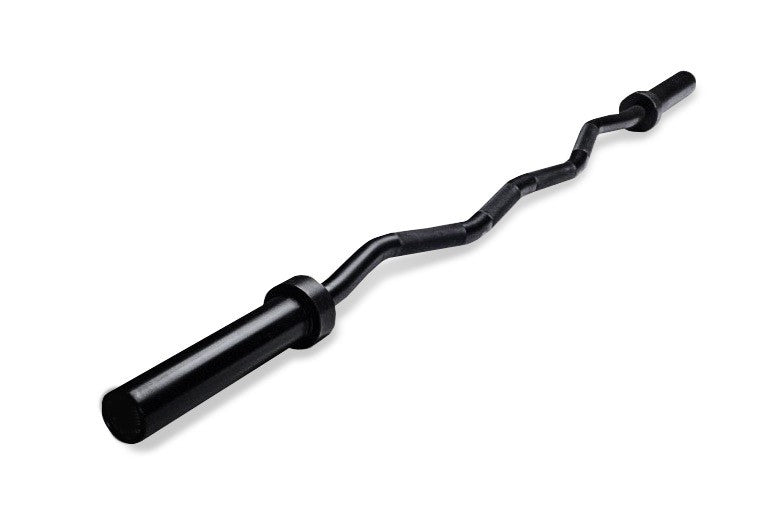
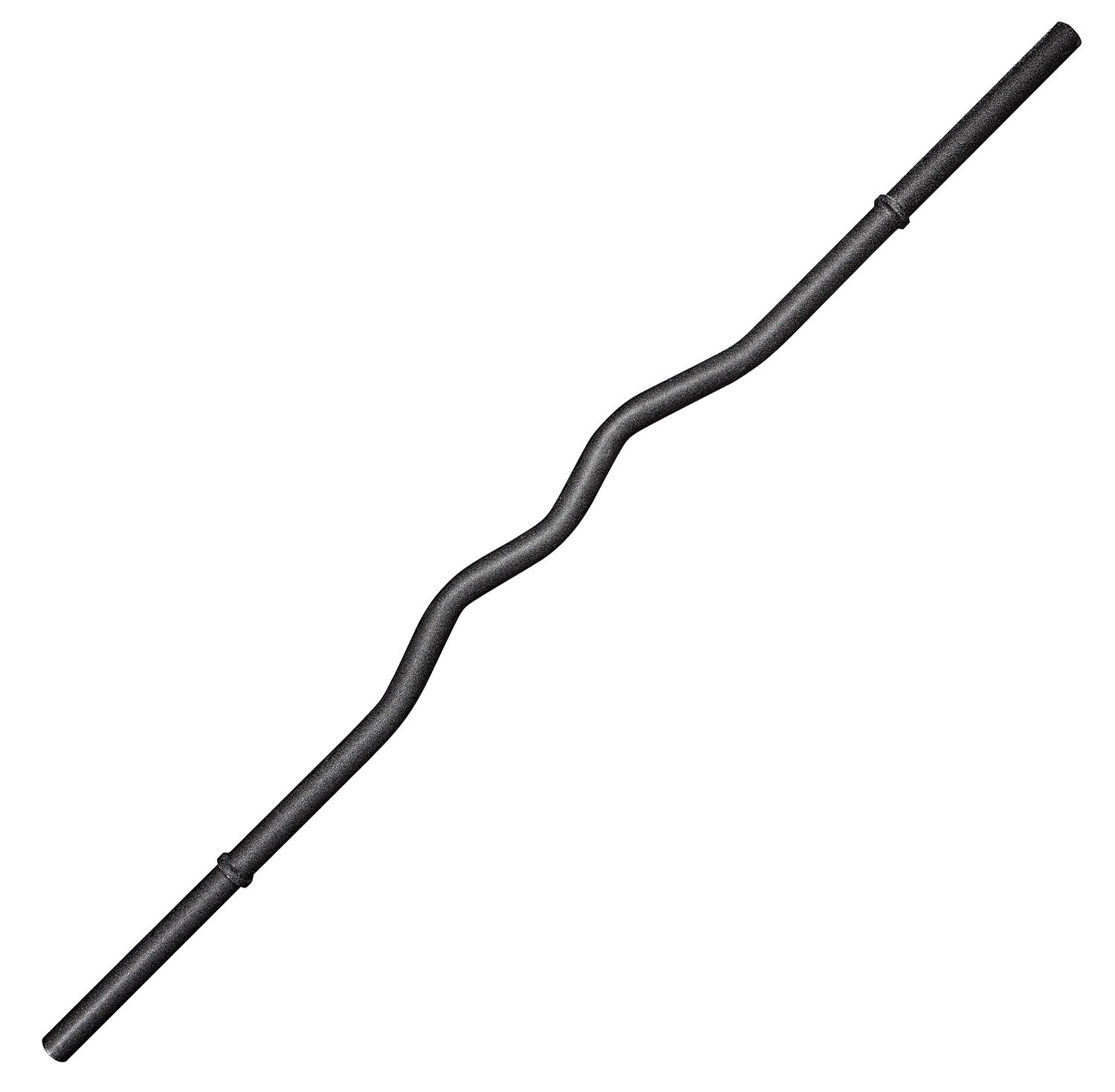
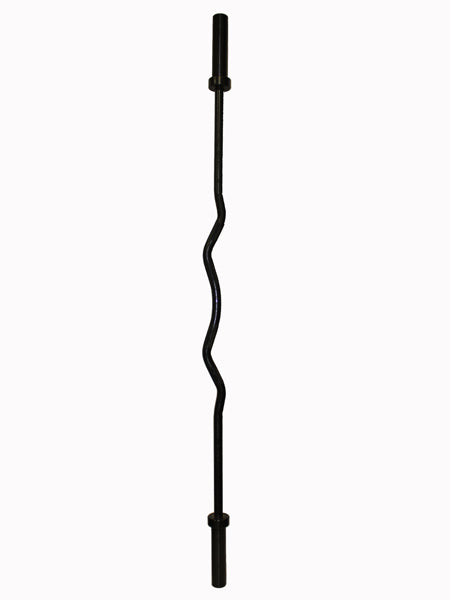
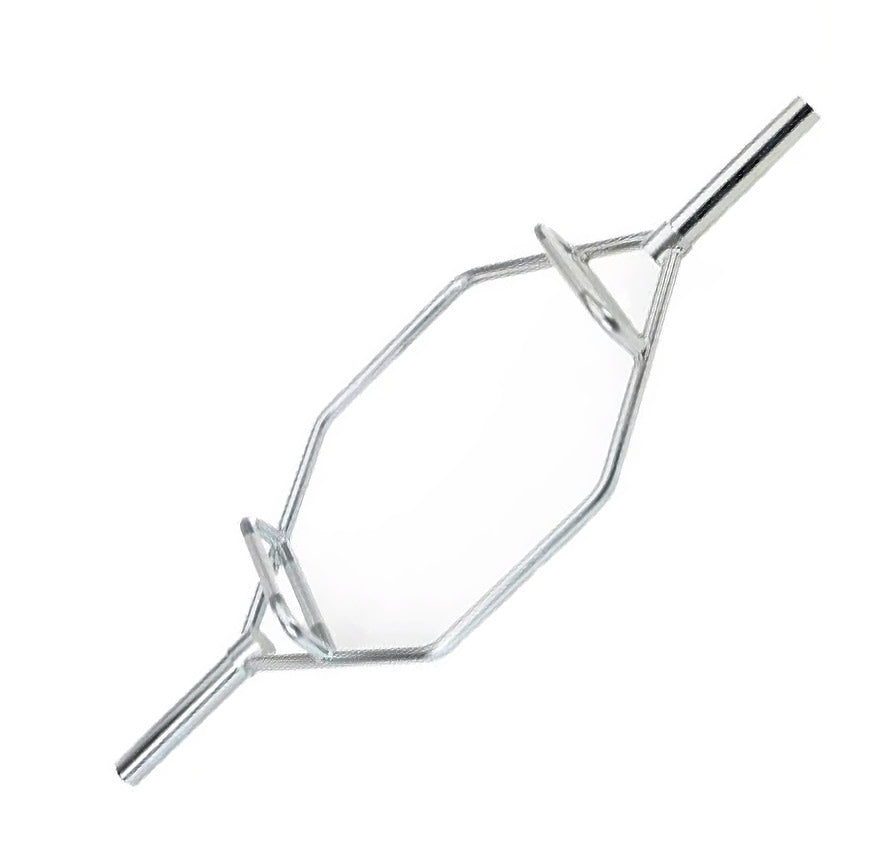
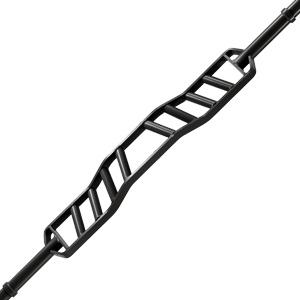
Good mornings using a variety of different bars such as
the safety squat bar, buffalo bar, and cambered bar are
classics at Westside Barbell.
Many of these good mornings are performed with the
bar suspended from chains. By suspending the bar from
the power rack (called Anderson good mornings or
suspended good mornings), you're creating the same
specificity as when you deadlift. This is because you
start the deadlift without any eccentric or lowering
motion. This is also true when you have to squat under a
suspended barbell and lift it to a standing position.
The best max effort exercises for the bench press are
the floor press, board press, close grip bench press, JM
press, and reverse band presses. All pressing motions!
As with the squat and deadlift max effort exercises,
there are several variations of each movement. Each
exercise has a specific function.
For instance, the floor press (basically lying on the
floor, benching sans bench) takes your legs out
of the motion so greater emphasis is placed on the pecs,
delts and triceps. The close grip incline press takes
your lats out of the motion so there's greater emphasis
placed on the deltoids and triceps. The board press also
takes your lats out of the motion and provides you with
the opportunity to train at specific points of the bench
press.
The max effort meso cycle should only last one to
three weeks with the latter being for the novice and
intermediate strength athlete. The more advanced the
athlete, the shorter the time spent per cycle (or time
spent per max effort exercise). This is due to the
neuromuscular coordination and motor learning. The
advanced athlete can call upon more motor unit
activation (use more muscle) than the novice. For
example, the novice may use 40% of his total muscle
while the advanced lifter will be able to use 80%.
The second reason involves neuromuscular and muscular
coordination. The advanced lifter has already figured
out and mastered how to do the movement. His body knows
what to do and when. The novice athlete hasn't figured
out how to do the movement and is far from mastering it.
This will allow the novice to progress and break records
for around three weeks on each max effort exercise.
However, this won't be the case for the advanced
athlete.
These advanced athletes will have one good week where
they break a record then will be unable to break it for
the next two weeks. So the solution is simple: switch
every week! This will allow you to break records on a
weekly basis and avoid overstraining. (Max effort
training, by the way, is a process of learning how to
better synchronize the muscle involvement. This is
because of the activation of the central nervous system
as well as other factors such as motivation and
concentration.)
If you don't always break a record, don't worry about
it. The strain is more important than the record itself.
With this in mind, if you happen to break your record
and it was very easy, to the point that you really
didn't strain, then you must take another record where
you actually strain.
|
|
|
|
|
|
|
|
|
|
|
|
|
|
|
|
| 1
(Squat
Day) /
1(Bench
Day) |
|
|
|
|
|
The Repetition Method
The repetition method, otherwise known as the
bodybuilding method, is the best method for the
development of muscle hypertrophy (growth). This is the
method in which all supplemental and accessory exercises
are trained. This method is defined as "lifting a
non-maximal load to failure." It's during the fatigued
state when the muscles develop maximal force. According
to this method, it's only during the final lifts that,
because of fatigue, the maximal number of motor units
are recruited. This system of training has a great
influence on the development of muscle mass which is why
it's become so popular among the bodybuilding
population.
The fact that the final lifts are performed in a
fatigued state makes this method less effective compared
to the others when it comes to maximal strength
development. This is one of the reasons why powerlifters
are much stronger than bodybuilders. Another
disadvantage of this method is that each set is carried
to failure. This makes it very difficult to increase
your volume and work capacity over time because of the
amount of restoration needed. Training to failure is
very hard on your ability to recover and in my opinion
should only be used sparingly. When you extend a set to
failure many times, the last few reps are performed with
bad technique and this, of course, can lead to injuries.
Westside has modified this principle to what I refer
to as the modified repetition method. With the
modified version all sets should be stopped with the
breakdown of technique and there should always be a rep
or two left in you. Remember this principle is applied
to all supplemental and accessory movements. These
movements are designed to be exactly what they are:
supplemental and accessory. The main goals of these
movements are to complement the overall training
program, not take away. By training to failure on every
set you'd be taking away from the general purpose of the
movements, which is to increase work capacity.

The parameters of this method are varied and depend
upon the individual. Some athletes develop muscle mass
with high reps and other with low reps. It would be
crazy to assume one specific rep range works for
everybody. What we've found to be best with supplemental

and accessory work are sets in the range of 5 to 8 with
repetitions between 6 and 15. This is a rather large

range, but as I mentioned before, everybody is
different. If you've been training for some time, I bet
you have a better idea of what works for you than I
could ever prescribe.
The load or weight to be used should fall in the 60
to 80% range and you should always leave a rep or two at
the end of each set. Try to switch the exercise after
every one to five workouts in which it's used. If you
decide not to switch the exercise then switch the way
it's trained. Try to add an extra set for a few weeks.
Try to work it up for four weeks then deload it for four
weeks. The point is to change it up as much as possible.
|
Modified
Repetition
Method
Parameters |
|
|
|
|
|
|
| All
Supplemental
and
accessory |
|
|
|
|
|
|
|
|
|
|
|
|
|
|
The Dynamic Effort Method
The dynamic effort method is used to train the box
squat and bench press. This method is defined as lifting
a non-maximal load with the greatest speed possible.
This method should be coupled with compensatory
acceleration. This means you must apply as much force as
possible to the barbell, i.e. pushing as hard and as
fast as you can in the concentric phase of the lift. If
you squat 700 pounds and are training with 400 pounds,
then you should be applying 700 pounds of force to the
barbell.
The weight used should be non-maximal in the 50% to
75% range. In the text Supertraining, Siff and
Verkershonsky state the best range for developing
explosive strength in the barbell squat is two-thirds of
your best one rep max. Angel Spassov defines this as 50
to 70%. This method isn't used for the development of
maximal strength but for the improved rate of force
development and explosive force. Let's assume an athlete
can only get so strong for genetic reasons. If this
lifter has reached his genetic strength potential and
has been stuck for five years, can he not get stronger?
I was told at one time that I had reached this limit.
I was told this by several university professors in the
field of exercise science. What they forgot is that if I
learned how to better synchronize my muscles to perform,
then I could get stronger by better neural activation.
The result was 300 more pounds on my total! This is
because at the time I may have only been activating 50%
of my absolute strength potential. Through dynamic
effort training I was able to activate 70 or 80%. (The
percents are used as examples, this was never tested.)
This is also a reason why the percent should never be as
important as bar speed. Everybody has different motor
learning and the advanced strength athlete will activate
more than a novice athlete. This is why the more
advanced the lifter is, the harder the work is.
For example, if both athletes performed a set of 10
reps in the barbell squat with 80%, the novice would
walk away like it was no big deal while the advanced
athlete wouldn't be walking anywhere because he'd be on
the floor! If you've followed Louie Simmons' articles
over the years, you'll notice how the percents he writes
for the squat and bench press have reduced over the
years. This is because the gym as a whole has gotten so
much stronger and more experienced. The percent for the
bench press used to be around 70, now it's around 45 to
55%. Many have asked how this can be. Well, as stated
above the athletes are now recruiting more motor units
than before so less percent is needed to produce the
desired results.
The best way to determine what your training percent
should be is to begin with 50% and have someone
videotape your bar speed. If you can maintain this bar
speed then increase the percent. When the bar slows down
then decrease the percent.
The dynamic days are scheduled as follows:
These dynamic days are to be done 72 hours after the
max effort day to allow for proper recovery. The
training scheme for the dynamic days begins with plenty
of warm-up sets and progresses onto the work sets. For
the bench press, use 8 sets of 3 reps and for the box
squat use 8 sets of 2 reps. There are many reasons for
this set and rep structure.
The first reason is because of Prilepin's charts (see
below). Prilepin studied weight lifters to see what the
optimal number of reps in each intensity zone should be.
Louie applied this research into the training of the
power lifts. At the time the bench press was being
trained in the 70% range while the squat was being
performed in the 80% range.
This would equate to an optimal number of 18 lifts
for the bench press in a range of 12 to 24 reps, and 15
lifts for the squat in a 10 to 20 rep range. He decided
on two reps for the squats and three reps for the bench
press because of time specificity of the competitive
lifts. The time to unrack the weight to the completion
of the lift in competition came out very similar to two
reps in the box squat and three reps in the bench press.
|
Optimal
Number
of Lifts
by
Percent
(Prilepin
1974) |
|
|
|
|
|
|
|
|
|
|
|
|
|
|
|
|
|
|
|
|
|
|
The second reason for this set and rep structure is
because it has stood the test of time and has worked
over and over again without flaw. This has created an
evolving system where the optimal number of lifts has
remained 16 for the box squat and 24 for the bench press
for weights under 80%. We've also found that weights
above 80% needed to be handled for 10% of all lifts.
This is accomplished by working up after your sets are
completed. These extra bonus sets shouldn't be used
every workout, but should make up ten out of every 100
lifts.
Here's a sample dynamic box workout:
The squat workout should begin after a general
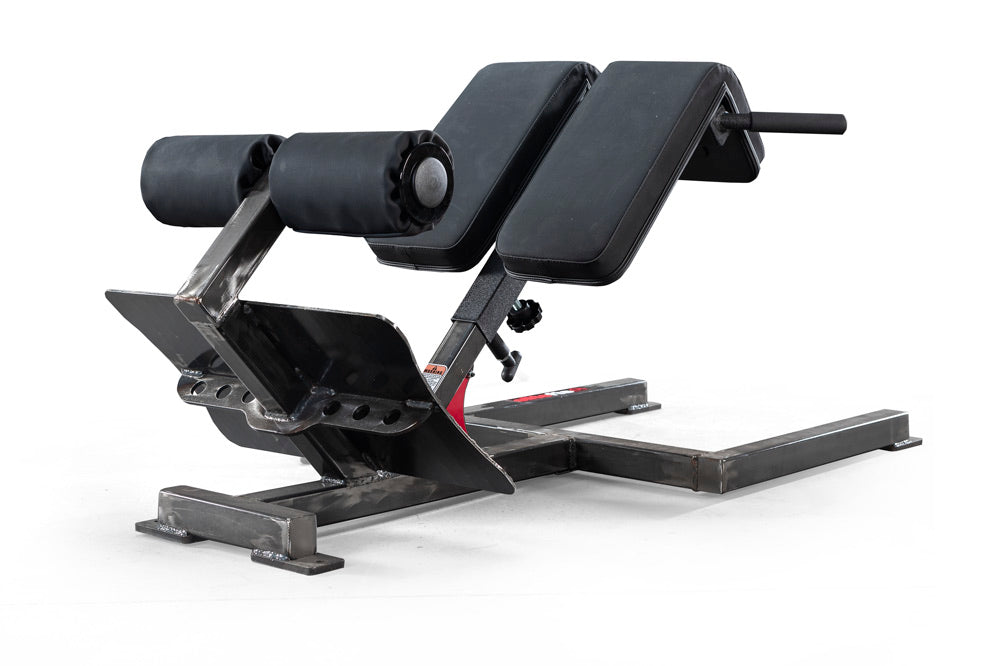
warm-up of exercises such as reverse hypers, sled
dragging and pulldown abs. These exercises should be
light and used to warm up and get loose. The first sets
should be light and concentrate on good technique. Do as
many sets as you need with the lighter weight until you
feel warmed up. Progress up to your desired training
weight. Once at your training weight, the rest period
becomes critical. You'll only rest one minute between
sets.
The goal of this is to fatigue the fast twitch muscle
fibers. These are the fibers responsible for explosive
strength and power. We want these muscle fibers to
become fatigued so over time they'll adapt and become
stronger. The other reason is that the more you fatigue,
then the more fibers will become activated with each
set. A fatigued muscle fiber won't work as well, so the
body will activate more and more muscle fibers to
complete the workout. A one-minute rest constitutes
about a 1:6 work to rest ratio and anything over 1.5
minutes will defeat the training effect.
Here's a sample dynamic bench workout:
The bench press workout should begin with a light
general warm-up consisting of upper body sled work and
warm-up exercises for the bench press. These can include
light shoulder raises to the front, side and rear, as
well as some light triceps extension or pushdown
movements. After the warm-up you'd move onto the actual
bench press movement.
Begin with the bar for as many sets as necessary to
feel loose and warmed up. Increase the weight with 20 or
50 pound jumps depending on your strength level and
begin the dynamic work sets with whatever the prescribed
percentage is for the day. You'll perform 8 sets of 3
reps in a dynamic fashion. These reps should be
performed with compensatory acceleration.
When you finish the bench press movement, you'll move
onto the supplemental exercise for the day. This
exercise should be some type of tricep press or
extension movement. The best ones for this purpose are
the close grip bench press, JM press, barbell extensions
or dumbbell extensions. The intensity should be high and
the volume low. We've found sets in the range of two to
four with 3 to 8 reps to be excellent. These sets are
started after all warm ups for the exercise have been
completed.
The accessory exercises that follow should include
movements for the shoulders and lats. These movements
should be of moderate intensity for intermediate rep
ranges. This may be three to five sets of 8 to 15 reps.
You should leave one or two reps at the end of every
set. This means you won't go to failure, which will
ensure proper recovery for the next workout. Upon
completion of these movements you'll move onto
prehabilation work consisting of external rotation
moments for the shoulders and light pushdowns and or
light sled work for the upper body.
Summary of the Four Day Program
The micro cycle of the Westside method is seven days
consisting of two days for the squat and deadlift, and
two days for the bench press. These days are outlined
below:
Monday: Max effort squat and deadlift training
1. The max effort exercise: work up to 1 to 3 rep
max
2. The supplemental movement:
� This will include one exercise for the
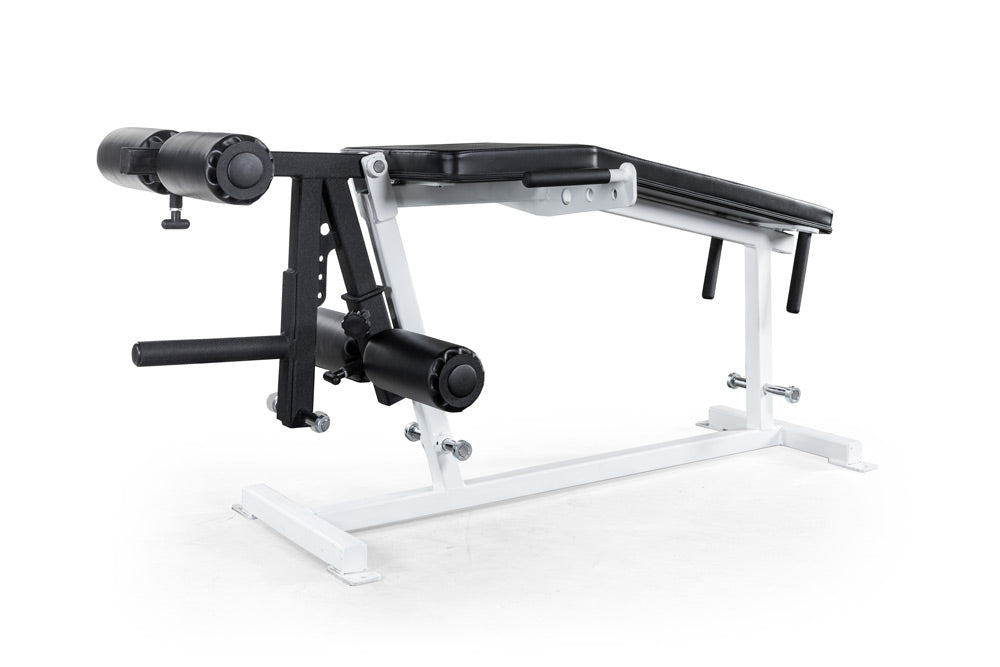
hamstrings. The best movements for them include
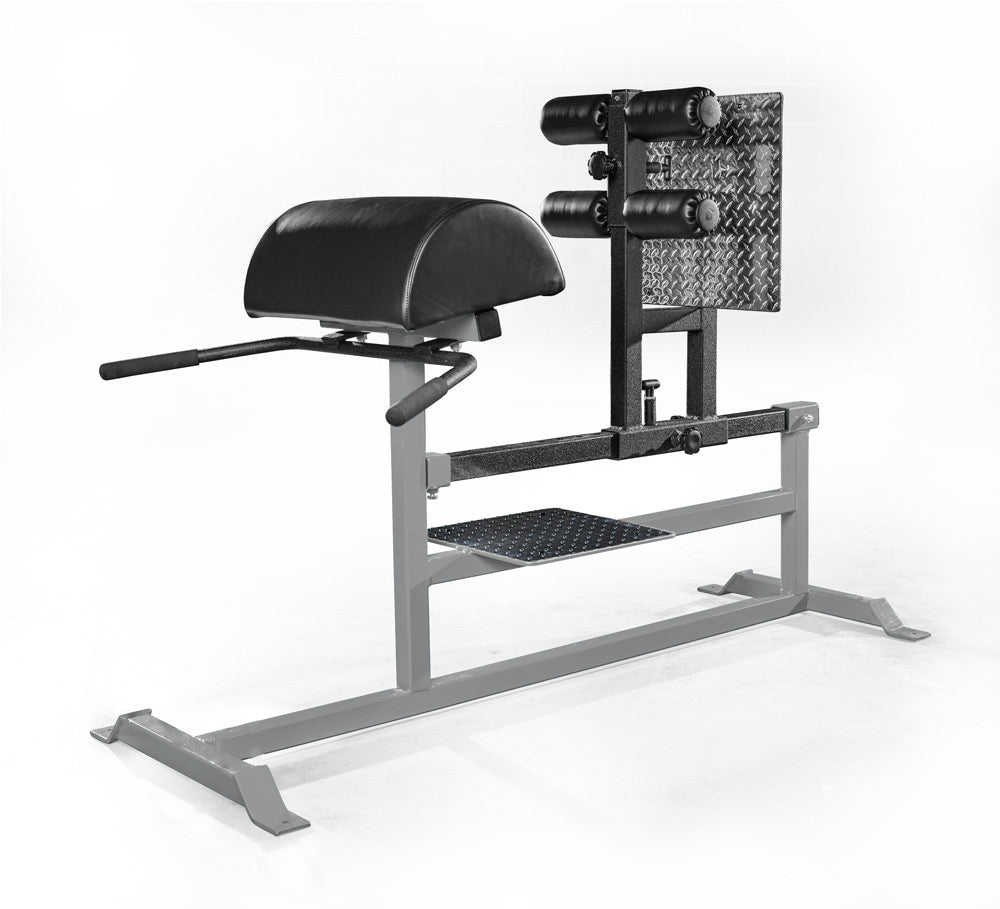
partial deadlifts, stiff leg deadlifts, Romanian
deadlifts and glute/ham raises for three to six sets
of 5 to 8 reps.
3. The accessory movements:
� One or two abdominal movements
� One lower back movement: The best exercise for
this purpose is the reverse hyper for three to four
sets of 6 to10 reps.
4. Prehabilation Movements
� This can include exercises for the knee and hip
joints. The best movements for this purpose include
any type of lower body sled dragging.
The meso cycle structure of this day depends on the
exercise: The max effort exercise should be trained
using the maximal effort method described above and
cycled for one to three weeks; then you can switch to
another movement. The supplemental movement should be
trained using the modified repetition method and the
exercise should be changed in one form or another every
workout. This change can be modifying the set pattern or
the repetition design or by totally switching to another
movement.
For example, you may select the glute/ham raise for
the first two workouts for both Monday's maximal effort
and Friday's dynamic effort, but may do four sets of
five for Monday and five sets of eight on Friday. Or,
you may decide to do Romanian deadlifts instead of the
glute/ham raise on Friday's workout. The key is to stay
as fresh as possible and to keep the body in a constant
process of adaptation. The accessory exercises may stay
constant for a longer period of time because the
intensity is lower. So you may pick the reverse hyper
for all dynamic and max effort lower body days for four
weeks. You may, however, still change the set/rep
pattern.
Actually, the reverse hyper is a staple in our
routine and is trained on all Mondays and Fridays with
only slight modifications being made. Another very good
and popular way to cycle the supplemental and accessory
exercises is to cycle the weight in a step-like loading
pattern where you'll push up the weight being used for
four weeks. Then you'll drop the weight back down and
build back up again trying to exceed the weights used
for the first cycle. The prehabilation exercises are
cycled in the same style as the supplemental and
accessory movements.
Wednesday: Max effort bench press training
1. The max effort exercise: work up to 1 or 3 rep
max
2. Supplemental exercise: Tricep movement with
high volume (six to eight sets for 8 to 12 reps).
The best exercises for this group include JM
presses, and barbell or dumbbell extensions.
3. Accessory movements: (triceps, lats, delts)
� This includes movements for the lats, shoulders
and possibly extra tricep work. The best movements
for this group include tricep extensions, rows and
various shoulder raises.
4. Prehabilation Movements: (training of the
joints)
� This includes movements for the elbow and
shoulder joints: The best movements for this group
include external shoulder rotations, press downs and
sled dragging for two to four sets of 12 to 15 reps.
The training structure for this day is exactly the
same as Monday's workout.
Friday: Dynamic squat and deadlift training
1. The box squat: Work up to 8 sets of 2 reps
with prescribed percentage
2. The supplemental movement:
� This will include one exercise for the
hamstrings. The best movements for the hams include
partial deadlifts, stiff leg deadlifts, Romanian
deadlifts and glute/ham raises for four to six sets
of 5 to 8 reps.
3. The accessory movements:
� One or two abdominal movements for three to
five sets of 6 to 12 reps
a. One lower back movement: The best exercise for
this purpose is the reverse hyper performed for
three to four sets of 8 reps.
4. Prehabilation Movements
� This can include exercises for the knee and hip
joints. The best movements for this purpose include
any type of lower body sled dragging.
Friday's training structure for the dynamic exercise
(box squat) is cycled in a four week step-like loading
pattern. If your first week's training percent is 60
then you'll want to cycle the weight up 10% for the next
three weeks. For example:
This four week meso cycle is intended to increase the
dynamic explosive strength of the lower body and squat
exercise. All squatting is performed on a box. Box
squats are the best way to train for explosive strength
because you go from a static to dynamic contraction.
The box squat is also the best way to teach squatting
technique because it's easier to teach a person to sit
back onto a box than without. The box squat is
trained using 8 sets of 2 reps. The supplemental,
accessory, and prehabilation exercises are cycled the
same as in Monday's max effort workout.
Sunday: Bench press training
1. The Bench Press: Work up to 8 sets of 3 reps
using three different grips all inside the rings.
2. Supplemental Exercise: Tricep movement with
high intensity (two to four sets for 2 to 8 reps).
The best movements are close grip bench presses, JM
presses, and dumbbell or barbell extensions.
3. Accessory movements: (triceps, lats, delts)
� This includes movements for the lats, shoulders
and possibly extra tricep work. The best movements
for this group include tricep extensions, rows and
various shoulder raises.
4. Prehabilation Movements: (training of the
joints)
� This includes movements for the elbow and
shoulder joints. The best movements for this group
include external shoulder rotations, press downs and
sled dragging for two to four sets of 12 to 15 reps.
Sunday's dynamic effort bench workout begins with the
same type of warm up work as on Wednesday's max effort
day. The bench press is trained for 8 sets of 3 reps
using three different grips utilizing the dynamic effort
method. All these grips should be within the rings on a
standard power bar. The bench press is trained with a
smooth wave with very little fluctuation in barbell
weight. For example:
We've found this type of wave to be the most
beneficial to the bench press. The supplemental,
accessory and prehabilation movements are trained under
the same guidelines as Wednesday's maximal effort day.
Wrap up
A special note about the dynamic effort training
days. Remember that the training is based upon bar
speeds and the percents are used only as
recommendations. Also, it's vital that 10% of all the
work sets are above 90%. This simply means that after
you perform your eight sets, you'll increase the weight
or work up to a heavy single or double. The purpose of
this is to teach you to strain in a fatigued state while
the fast twitch muscle fibers are fatigued. This will
teach the body to better activate the central nervous
system under greater loads.
The Westside style of training may also be called
cybernetic periodization. This basically means
you'll listen to your body. As you remember with the
Western method of periodization, the training percentage
sets and reps are set. So what's to happen if you're
sick, injured or have to miss a workout for whatever
reason? This becomes a very important issue because
things do happen that will effect your training program.
With the Westside system the dynamic days are based
upon bar speed so if you're having a bad day, then
reduce the weight and maintain the bar speed. The max
effort days are based on the straining with maximal
loads. So if you don't break a record because of a bad
day, it's no big deal, as long as you still strained.
One other aspect about the max effort day. Pick the
max effort exercise after you arrive in the gym. This
way you'll apply more effort to the lift than if you
pre-planned the movement and dreaded getting to the gym
all day to do it. Just make sure you don't always choose
those exercises that you're good at. This is, after all,
about building strength and muscle, not your ego.
|