
What Is Real, And What Is Not?
Most training advice you see online is one player on the field, described as if it were the whole game.
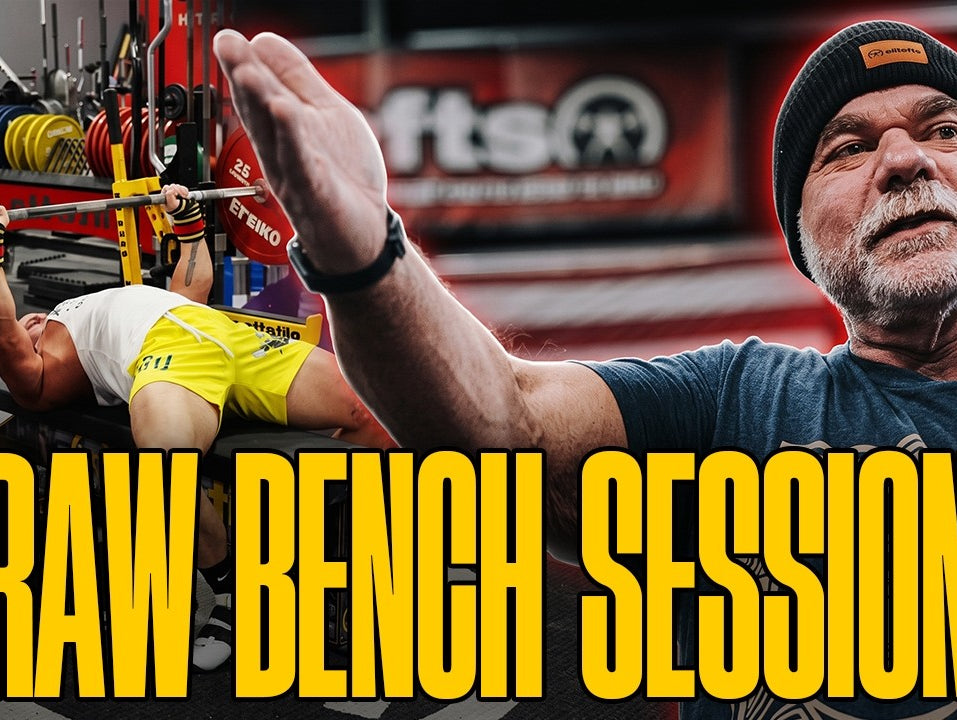
Jason Manenkoff on Building a Bench Setup You Can Repeat
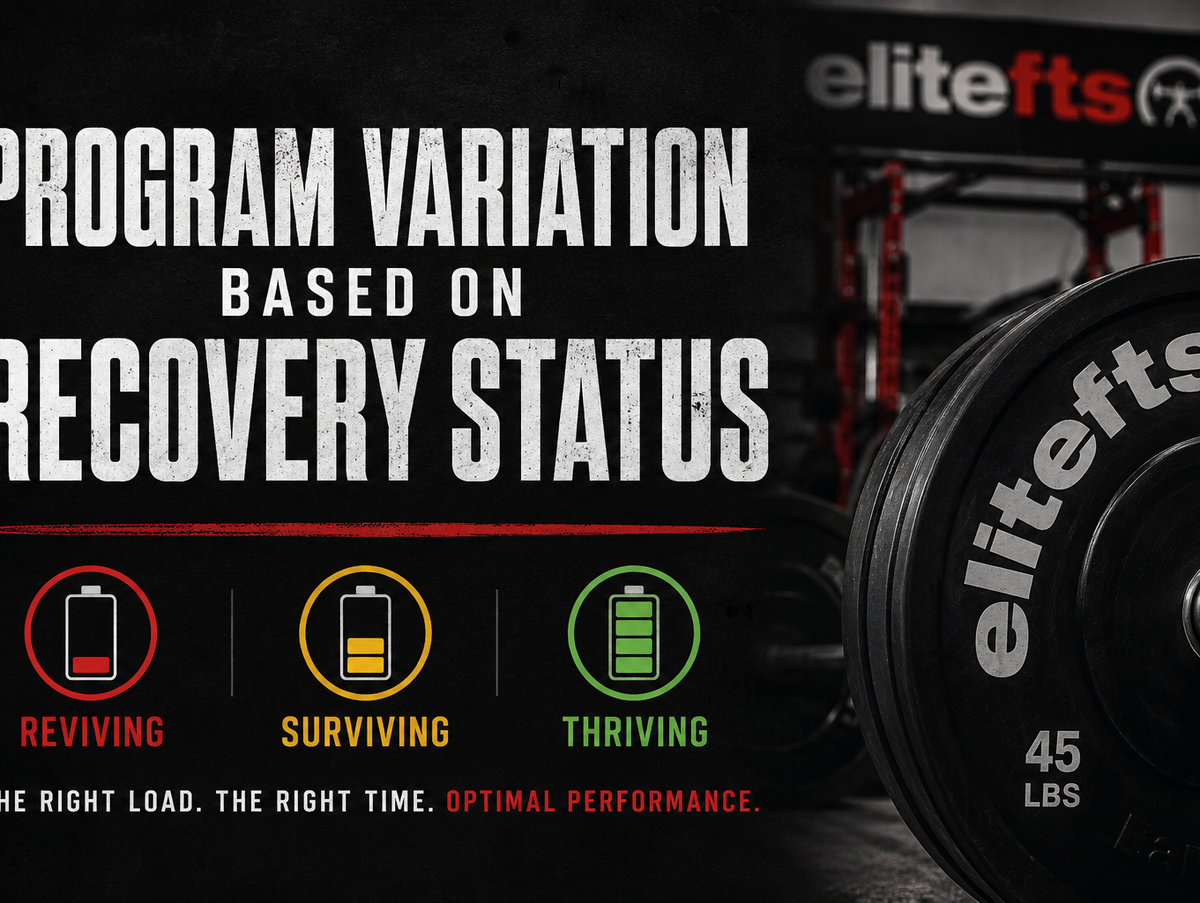
TRAINING CHAOS. NOT SYMMETRY. by Rees Odhiambo
Strength in the weight room is only part of the equation. Former NFL offensive lineman Rees Odhiambo explains how offset loading, carries, sandbags, and reactive resistance can build strength that holds up under unpredictable force.
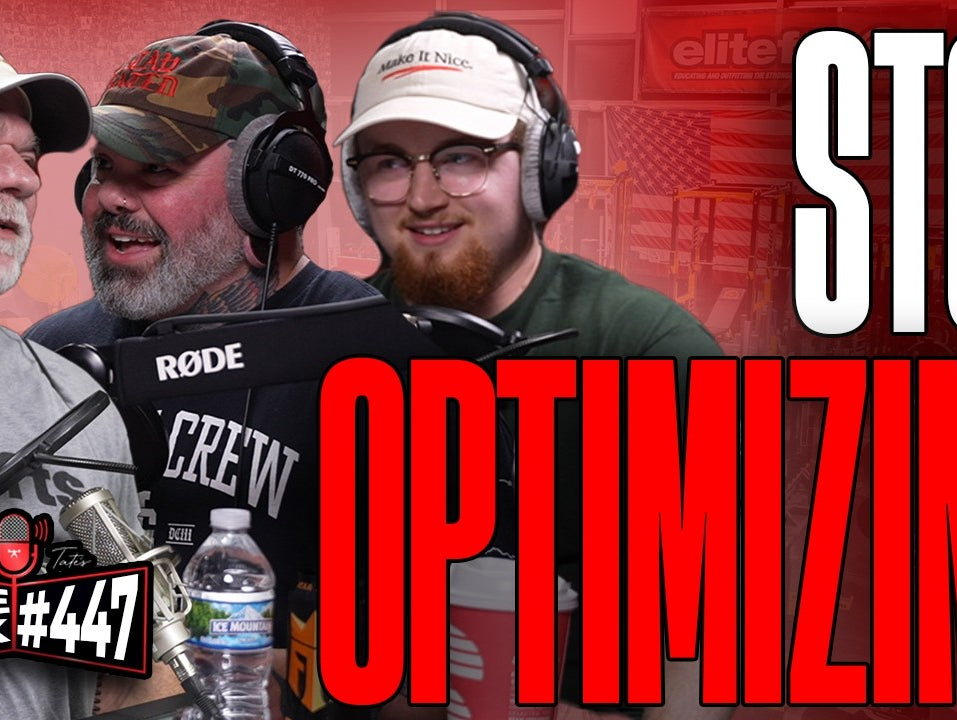
F*ck Your Micronutrients: Get Your Training Priorities Straight
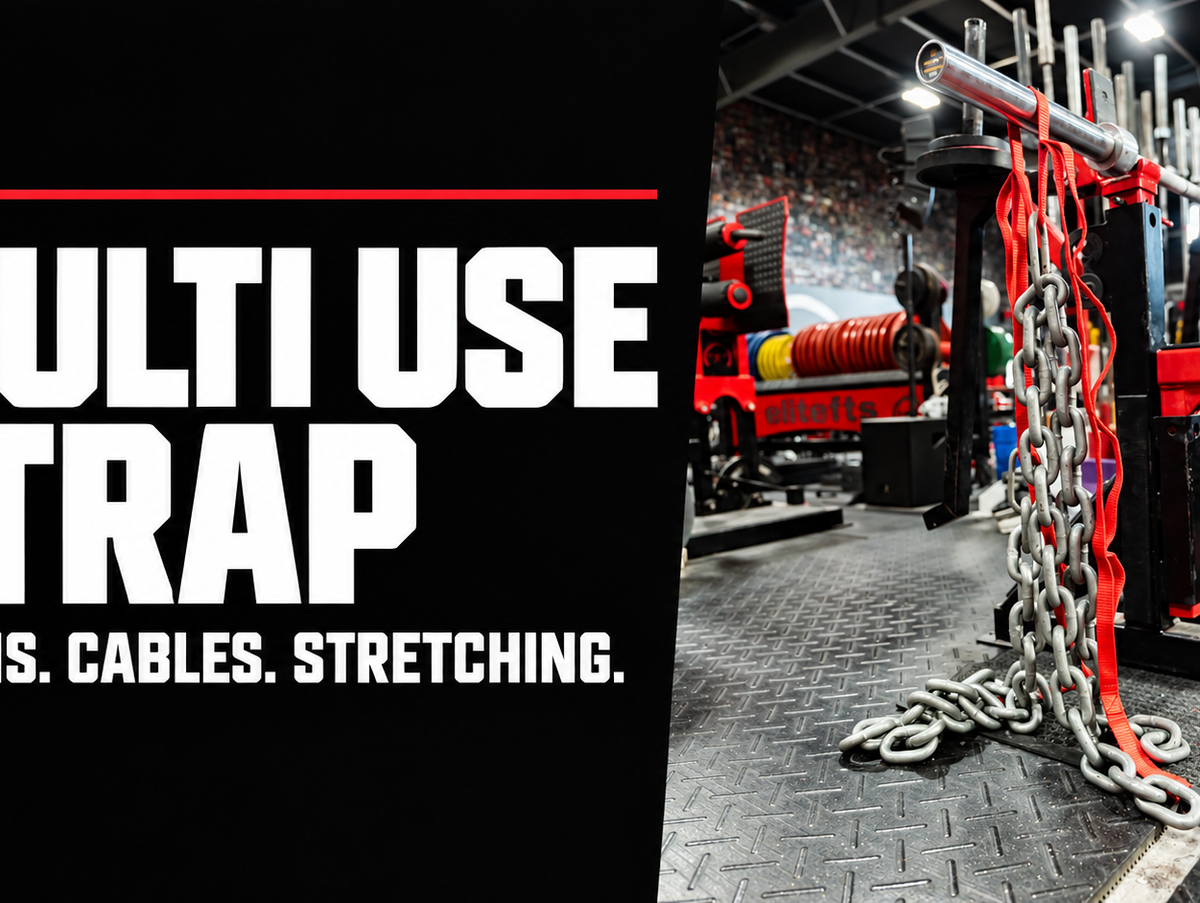
elitefts Multi Use Strap Review: One Strap, More Training Options
Eleven loops, three training applications and a $14.95 price. A practical look at the elitefts Multi Use Strap for chains, cable work and stretching.
Scars Aren't Wisdom
The same lifter who dismissed beat-up guys in his twenties is now selling his own injuries as credentials in his fifties, and both takes are wrong.
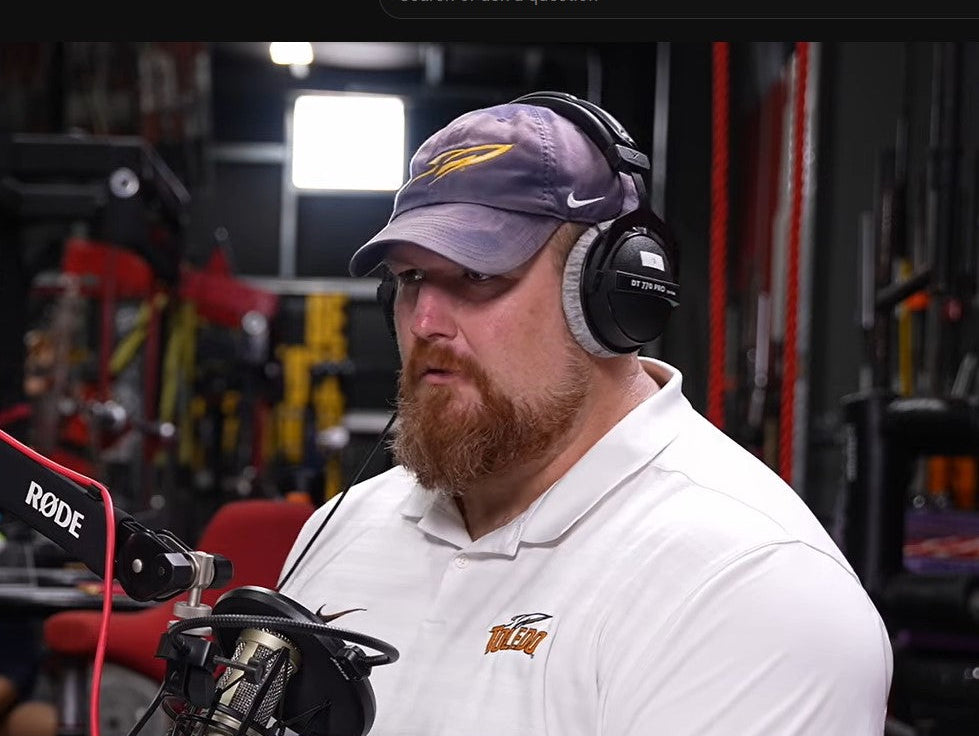
Why Olympic Lifting Still Belongs in Football I Table talk #445
University of Toledo Director of Football Strength & Conditioning Evan Barr joins Dave Tate to discuss Olympic lifting for football, movement development, programming, deloading, competition, and what it takes to build stronger athletes and a better strength staff.
Training the Youth Rugby Player: For Now and for the Future by Ashley Jones
Training a young rugby player is about more than getting them stronger for next season. Ashley Jones lays out a long-term approach to youth development, from maturation and movement skills to strength training, recovery, testing, and building the habits that can support a player for years to come.

You Don't Need a Periodized Program to Build Strong Athletes
Conjugate Off-Season Training for Rugby
The rugby off-season is the time to build the strength, power, size, conditioning, and durability needed to perform at the start of the season. Ashley Jones explains how the Conjugate Method can be adapted for rugby players using mechanical, neural, metabolic, and CARE-based training to build athletes who are stronger in contact, faster under fatigue, and more resilient week after week.
Why Your Quads Steal All Your Squat Progress

How to Adjust Workload When Progress Stalls
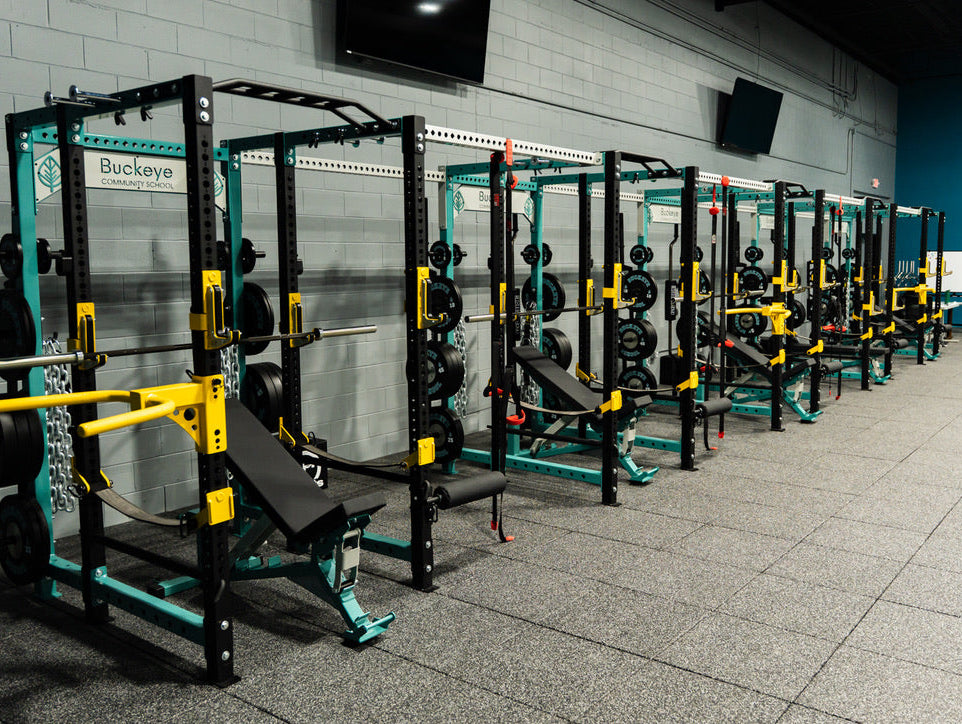
How Elite Weight Rooms Are Built: Buckeye Community School Full Gym Install

The Camera Changed. The Work Didn't.
Noah found an old elitefts camcorder in the back office, so we shot a week at S5 on it, and it reminded me what training harder really looks like.
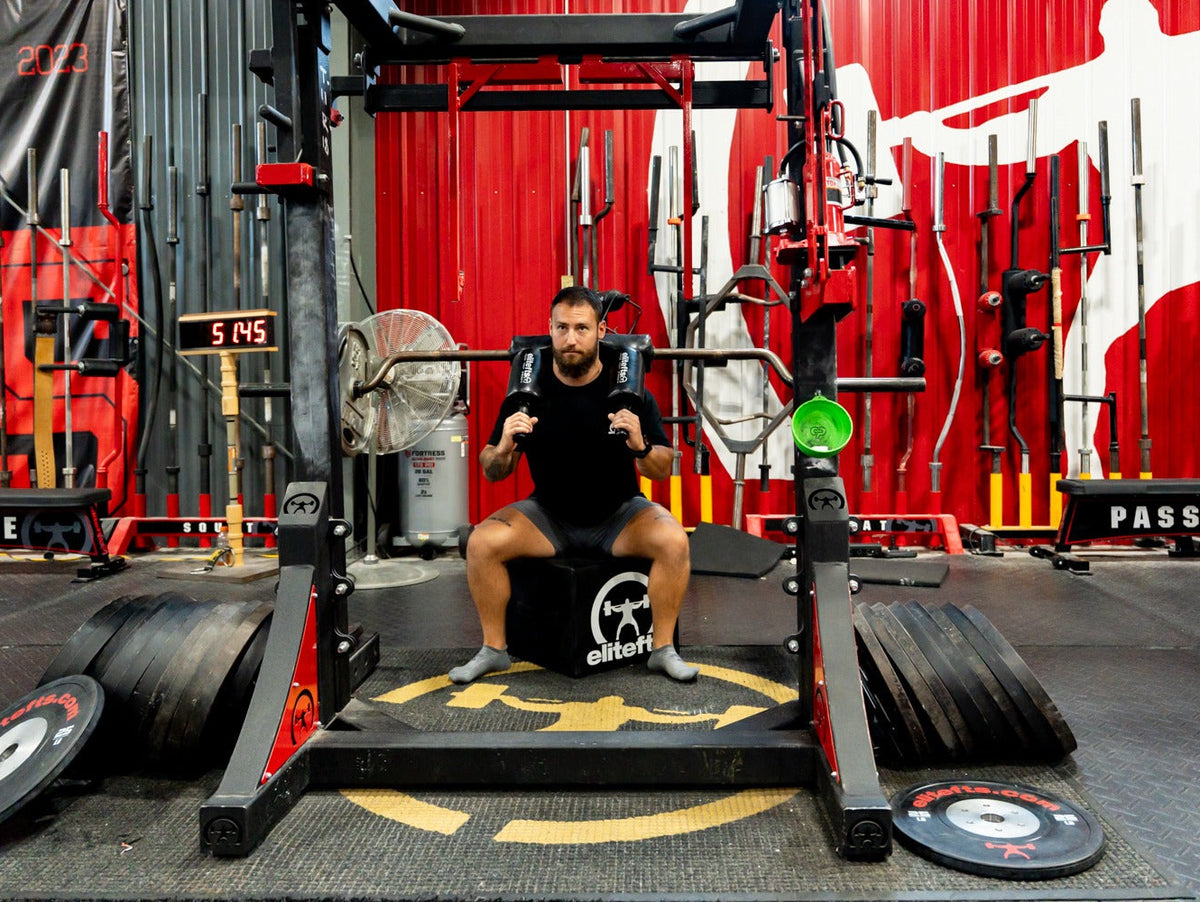
The Squat Box: What It Fixes, How to Use It, and Why It Belongs in Your Gym
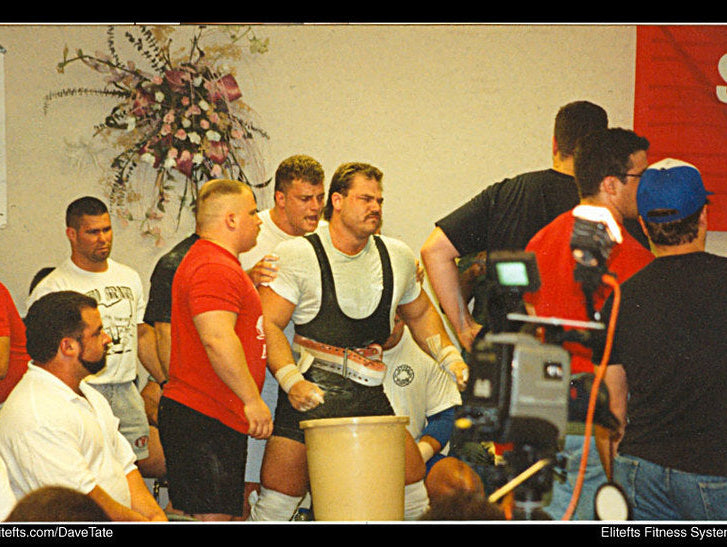
Strength Is What You Build. Strong Is What You Become
Strength is something you can measure. A meet total. A one-rep max. A rep PR at a bodyweight you didn't have last year. It sits on paper. It shows up on a record board. You can prove it.

Why Olympic Lifting Still Belongs in Football | Evan Barr #445
Evan Barr explains why Olympic lifting still belongs in football when the lifts are coached as tools for force production, coordination, load absorption, and intent instead of treated like a separate sport.

The Rest Period Mistake Ruining Your Strength and Muscle Gains
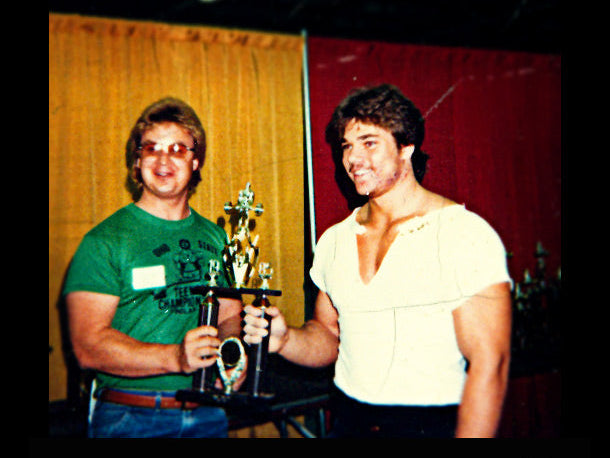
My Perception of Strength Was Completely F*cked
At sixteen I squatted 350 in a gym where everyone squatted 550 and one guy squatted 900, and that broken math taught me more about getting strong than any program ever did.
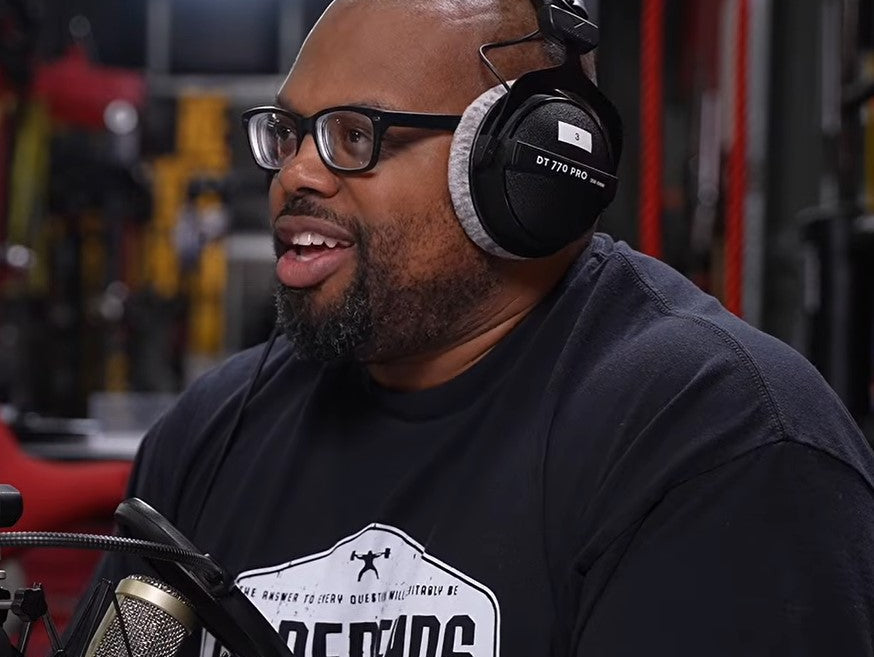
Expect to Be Poor: The Truth About Personal Training l Charles Gardner #442

Conditioning Games for Rugby: Building Fitness Through Competition
Conditioning games give rugby coaches a smarter way to build fitness without separating training from the demands of the game. These competitive formats develop aerobic and anaerobic capacity, acceleration, support play, defensive organization, tactical awareness, and decision-making under fatigue.
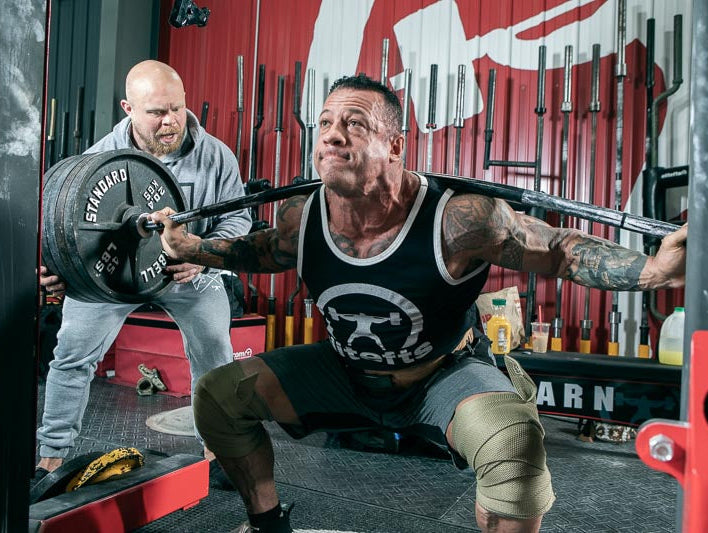
The Best Educated Guess
The honest truth about training that most coaches won't admit: it all comes down to the best educated guess for the specific person, on the specific day.

Heavy Cream and Chocolate Syrup: How We Used to Settle Arguments
Thirty years ago you settled it on the platform. Now you settle it with a burner account and advice from influencers who never competed.
